
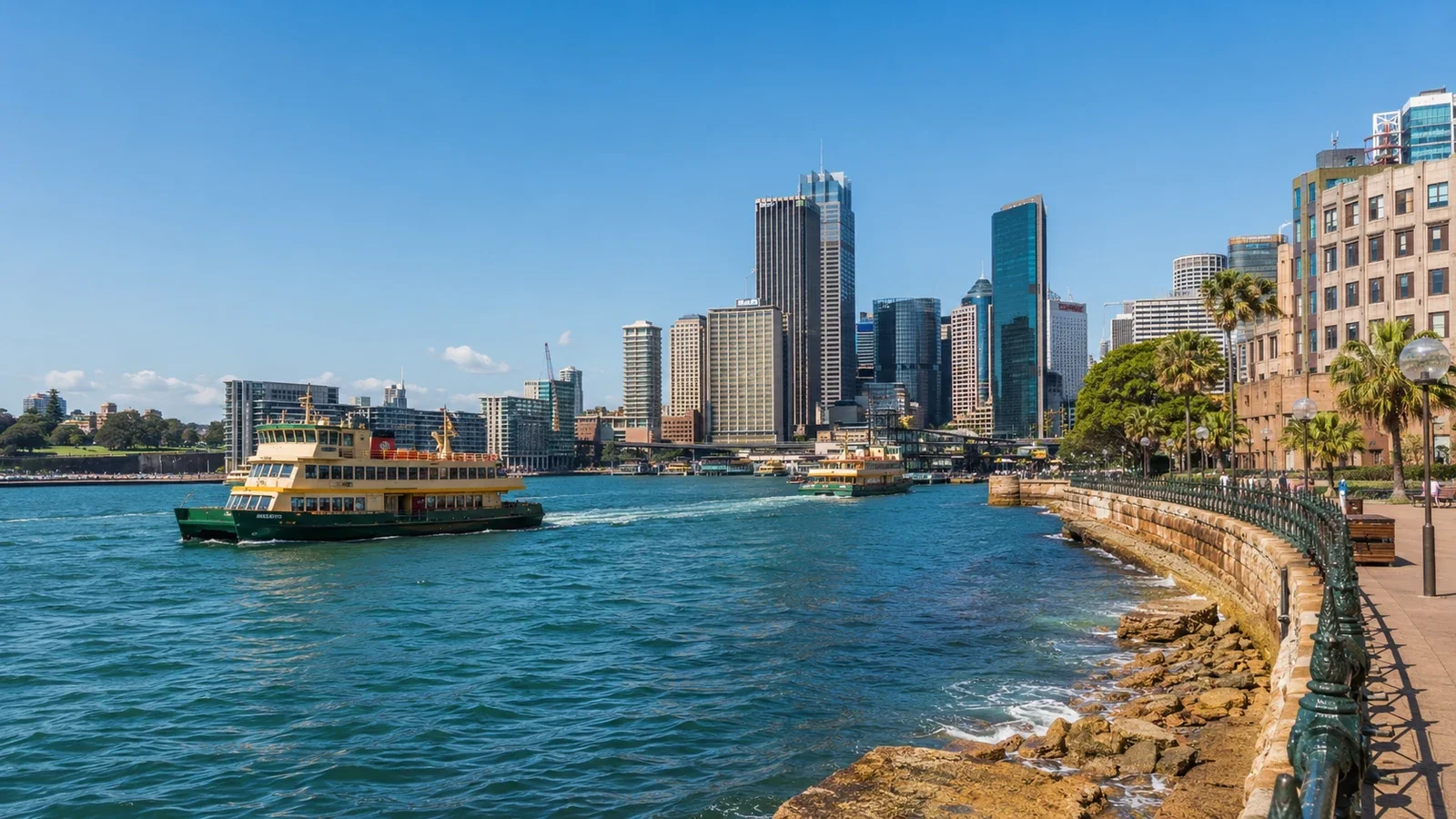
There is no single Aboriginal name for the whole of Sydney, because Sydney is a modern city founded after 1788. The most widely recorded Aboriginal name connected to Sydney is Warrane, the Gadigal name for Sydney Cove, the small bay at what is now Circular Quay.
The land that became central Sydney is Gadigal Country, within a wider region made up of many Aboriginal clans, language groups, waterways, headlands and named places.
This guide answers the question in two clear parts: the recorded name for the cove where the First Fleet landed, and the Country and peoples the wider city sits on. It also covers what these names mean, how to say them, the Aboriginal names of nearby harbour places, and the Aboriginal origins of Sydney suburb names, all drawn from authoritative public sources.
What is the Aboriginal name for Sydney?
The best-known Aboriginal name connected to Sydney is Warrane, recorded for Sydney Cove at present-day Circular Quay.
Before 1788, Aboriginal people did not have one name for the area we now call Sydney, because the modern city did not exist. Individual places, bays, headlands and waterways each carried their own names in local language, and Country was known through specific places, relationships and responsibilities.
This is why the question has two answers rather than one. There is the specific name for the cove where Captain Arthur Phillip and the First Fleet came ashore in January 1788, and there is the Country and the peoples that central Sydney and the wider region belong to. Both matter, and they are easy to confuse if you only look for a single word.
Sydney's Aboriginal names at a glance
The table below sets out the main answers in one place, so you can see the difference between a place name and the name of Country. Spellings were written down by English speakers from a spoken language, so you will see variations between sources.
| What people mean by "Sydney" | Aboriginal name or context | What it refers to |
|---|---|---|
| Sydney Cove, Circular Quay | Warrane | The cove where the First Fleet landed in 1788 |
| Central Sydney and the city area | Gadigal Country | The Country of the Gadigal people |
| The wider Sydney region | Many clan and place names | A broad region made up of individual Countries, waterways, headlands and places |
| Botany Bay | Kamay | The bay south of the city, now Kamay Botany Bay |
What does Warrane mean and where is it?
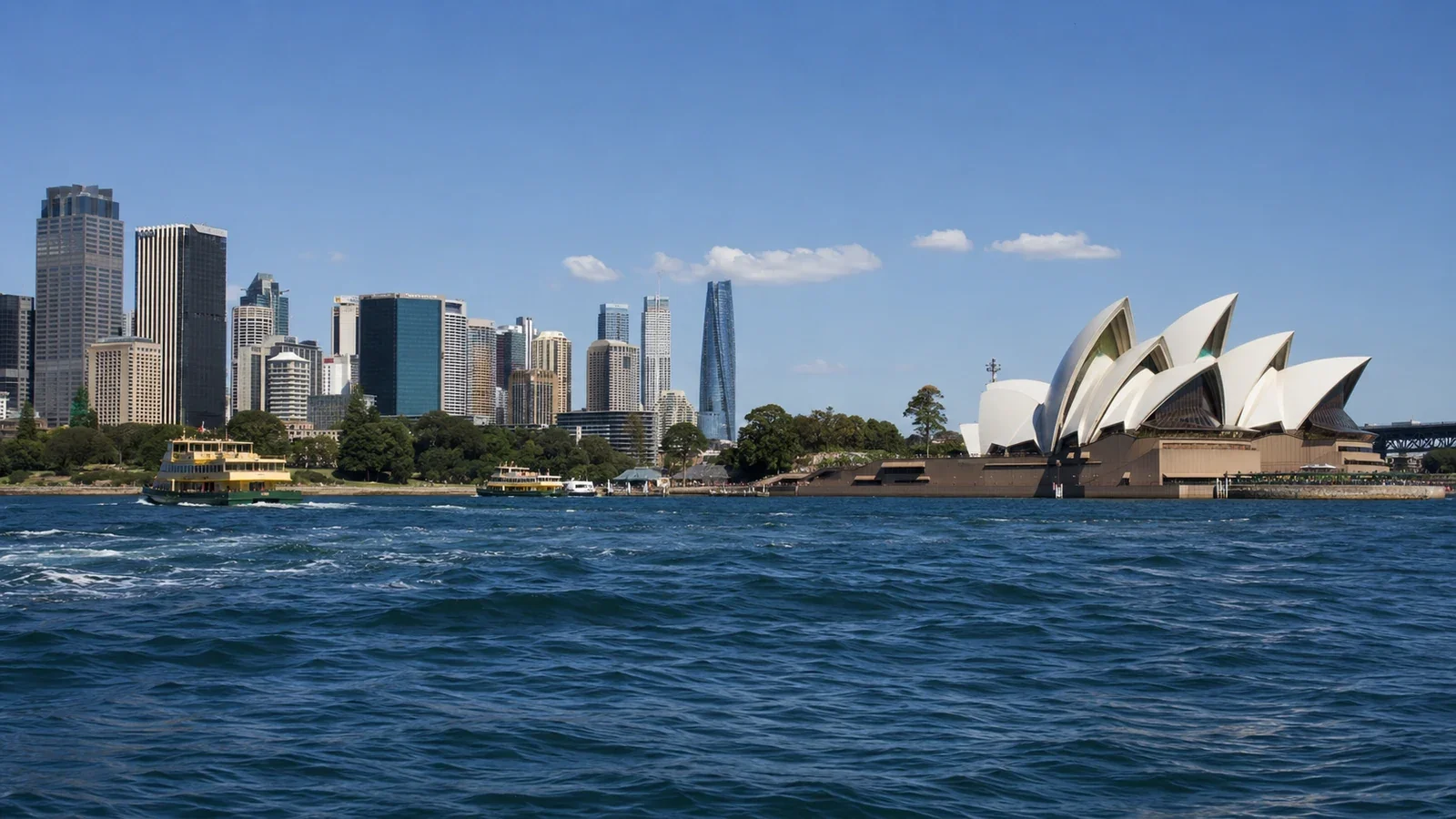
Warrane is the Gadigal name for Sydney Cove, the bay at what is now Circular Quay. According to the City of Sydney's Barani history project, the name was recorded in a number of First Fleet journals, maps and vocabularies, and was also written as War-ran, Warrang and Wee-rong.
Warrane was the place where local Aboriginal people and the Europeans first came into sustained contact in January 1788. It was also part of a living saltwater landscape, connected to fishing, travel, gathering and everyday life around the harbour.
Records held by the City of Sydney note that men speared fish from the shoreline while women line-fished from their nowies, the bark canoes used across the harbour.
One common mix-up is worth clearing up. The Sydney Opera House does not stand on Warrane itself. It sits on the next headland east, Tubowgule or Bennelong Point, with Warrane, Sydney Cove, on one side and Farm Cove on the other.
We have deliberately not given a single literal English translation of Warrane. The recorded sources give the name and its spelling variants, not an agreed word-for-word meaning, so stating one would go beyond the evidence.
Who are the Gadigal, and what does the name mean?
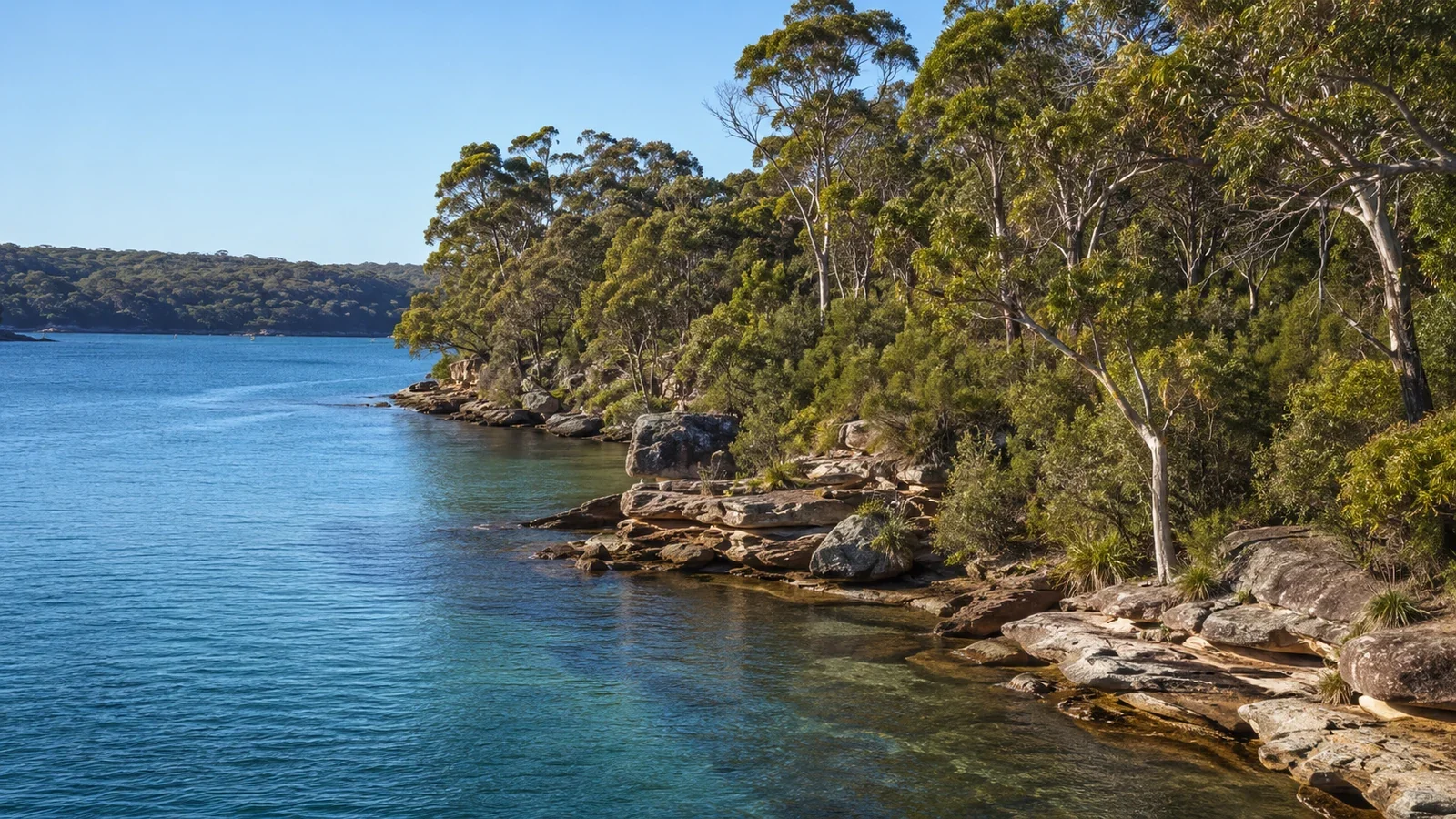
The Gadigal, also written Cadigal, are the people whose Country includes the southern shore of Sydney Harbour and the land that became central Sydney.
The City of Sydney records that Gadigal Country stretched along the southern side of Port Jackson from South Head to around what is now Petersham, with its southern boundary near the Alexandra Canal and the Cooks River.
The name itself is usually explained through the local language. Gadi is widely recorded as the word for the grass tree, and gal is a suffix meaning people, so the Gadigal are commonly described as the People of the Grass Tree.
As with many recorded words, interpretations vary between sources, so this is the meaning most often cited rather than a single settled translation.
The Gadigal are one group among many in the wider Sydney region. This is why it is more respectful and accurate to name the specific Country you are on, rather than treating all of Sydney as one single place with one single Aboriginal name.
Why is there no single Aboriginal name for all of Sydney?
There is no single Aboriginal name for all of modern Sydney because the city covers many places, Countries and recorded names.
The area now called Sydney includes harbour coves, rivers, headlands, beaches, bushland and inland places. Each had its own name, use, connection and significance. Some names are well recorded in public sources, while others have varied spellings or limited surviving records because they were written down by English speakers listening to spoken Aboriginal languages.
This is why broad labels can become confusing. The more respectful approach is to speak about specific places where possible. For example, Sydney Cove is Warrane, central Sydney is Gadigal Country, Botany Bay is Kamay Botany Bay, and Bennelong Point is Tubowgule.
It is also worth being honest about the limits of written records. Many names and spellings were documented by colonial observers, and the most reliable understanding comes from learning with local Aboriginal people on Country. That is the heart of what an Aboriginal cultural tour involves.
Who are the neighbouring clans of the Sydney area?
Central Sydney is Gadigal Country, but the harbour, rivers and coast around it are the Country of other clans, so Sydney is not the land of a single group. The table below gives a general guide to some neighbouring clans and places. Boundaries overlap, names and spellings vary between sources, and this is an introduction rather than a precise map.
| Clan | General area | Notes |
|---|---|---|
| Gadigal (Cadigal) | Southern shore of the harbour, central Sydney | Traditional Custodians associated with central Sydney and Gadigal Country |
| Cammeraygal | Lower north shore | Connected with northern harbour Country |
| Wangal | Inner west, along the Parramatta River | Connected with river Country west of the city |
| Burramattagal | Parramatta, head of the harbour | The clan that gives Parramatta its name |
| Bidjigal | Around Salt Pan Creek and the Georges River | Connected with areas south-west of the harbour |
| Gweagal | Southern shore of Botany Bay | Connected with the Dharawal |
The naming of clans north of the harbour, sometimes grouped under "Guringai", is discussed by historians, so we have kept this list to the clans most consistently recorded in public sources such as the City of Sydney and the Aboriginal Heritage Office.
What are the Aboriginal names of other harbour places?
Many places around Sydney Harbour have recorded Aboriginal names, because each cove, headland and bay was its own named place rather than part of one named city.
Lieutenant William Dawes wrote down much of the Sydney language in the early 1790s, learning from a young Gadigal woman named Patyegarang, with other recorded words coming from Bennelong and his wife Barangaroo. The table below lists harbour-area names that appear in public records.
| Place today | Recorded Aboriginal name | Source note |
|---|---|---|
| Sydney Cove, Circular Quay | Warrane | Recorded in City of Sydney Barani sources |
| The Rocks | Tallawoladah | The rocky headland beside Warrane |
| Bennelong Point, Opera House | Tubowgule | Headland between Warrane and Farm Cove |
| Farm Cove, Royal Botanic Garden | Wahganmuggalee, also recorded as Woccanmagully | Recorded cultural place, now dual-named Farm Cove / Wahganmuggalee |
| Botany Bay | Kamay | Officially dual-named Kamay Botany Bay |
These names show that the harbour was a closely known and named landscape long before 1788, and several have since been reintroduced through the New South Wales dual-naming policy.
What do the Aboriginal place names of Sydney's suburbs tell us?
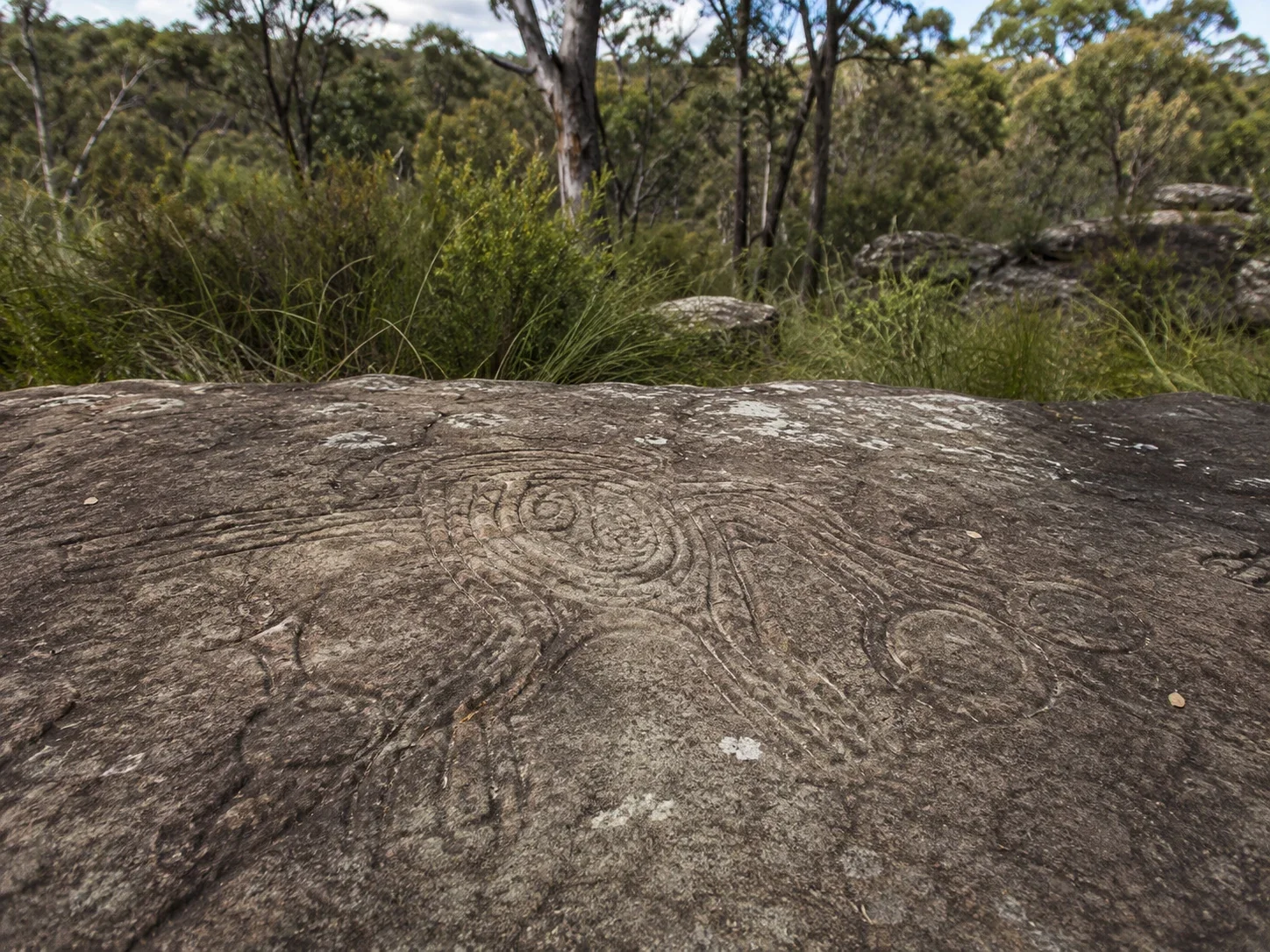
A large number of Sydney suburb names come from Aboriginal languages, which is one of the clearest signs of the area's deep and continuing Aboriginal history. The meanings below are the ones commonly recorded by sources such as the Australian Museum and the New South Wales Geographical Names Board.
Because the words were written down by English speakers, spellings and meanings can vary, so treat these as commonly cited rather than settled translations.
| Suburb | Aboriginal origin | Meaning commonly recorded |
|---|---|---|
| Parramatta | Burramatta, Burramattagal | The place where the eels lie down |
| Bondi | Boondi | Water breaking over rocks |
| Coogee | Koojah / Koojay | Smelly place, from decaying seaweed |
| Maroubra | Merroberah | Like thunder, or place of thunder |
| Cronulla | Kurranulla | Place of pink seashells |
| Cammeray | Cammeraygal clan | Named for the clan of the lower north shore |
| Cabramatta | Cabra plus matta | Place of the grub, near fresh water |
What is the Aboriginal name for Sydney Harbour?
There is no single Aboriginal name for the whole of Sydney Harbour, because individual bays, coves and headlands each had their own names rather than one name for the entire waterway.
Sydney Cove itself was Warrane, the headland at Bennelong Point was Tubowgule, and Farm Cove was Wahganmuggalee. The harbour was a saltwater landscape used for fishing, travel, gathering and daily connection to Country.
This is the same pattern as the city as a whole. Aboriginal place naming is detailed and local, naming each significant spot, rather than applying one broad label to a large modern area.
What language did Aboriginal people in Sydney speak?
The clans around the harbour spoke the coastal Sydney language, a dialect closely related to the Darug language of the wider Sydney basin. Much of what is known about it survives because Lieutenant William Dawes recorded vocabulary and conversation in his notebooks in the early 1790s, working closely with Patyegarang.
Many everyday and place words in Sydney trace back to this language. The City of Sydney's history project, for example, is named Barani, a Sydney-language word meaning "yesterday". Words like these, and the suburb names above, are a living reminder that Sydney is built on long-standing Aboriginal Country.
How should you refer to Sydney respectfully today?
The simplest respectful approach is to recognise that central Sydney is on Gadigal Country, and to name the Traditional Owners of the specific place you are on.
You do not need to replace the word "Sydney". Acknowledging Country alongside it is what matters.
In practice, a few small habits go a long way:
Acknowledge Gadigal Country: When it fits, note that central Sydney sits on Gadigal Country.
Name the specific Country: For places outside the city, recognise the local Traditional Owners rather than using one label for the whole region.
Use recorded place names where they help: Referring to Sydney Cove as Warrane, or Botany Bay as Kamay, keeps these names in everyday use.
Learn from Aboriginal people: The most accurate understanding of names and Country comes from Aboriginal guides and communities, not from a map alone.
Natcha can also deliver a Welcome to Country and smoking ceremony for events, offered as a cultural protocol by the right people rather than as a performance.
Why these names and this Country matter
Place names and Country are not only history. They are part of a living culture that continues today. Using the right names, and understanding whose Country you are on, is a straightforward and meaningful act of respect.
It also changes how you see the city. Knowing that Circular Quay is Warrane, that the city centre is Gadigal Country, and that suburb names carry Aboriginal meaning helps locals and visitors see Sydney as Aboriginal Country with deep history, continuing connection and living culture, not only a modern harbour city.
Where to learn about Aboriginal Sydney on Country
The clearest way to understand the Aboriginal names and history of Sydney is on Country with an Aboriginal guide, in the landscape itself rather than from a map.
On a guided walk, you can hear how places were named, used and cared for. You can also ask questions of someone who carries that knowledge.
You can join a guided walk at several locations around Sydney:
La Perouse: The La Perouse Aboriginal walking tour shares culture and Country on the northern shore of Botany Bay, also known as Kamay.
Ku-ring-gai Chase: The Ku-ring-gai Chase walking tour takes in sandstone Country rich in engravings and bushland.
Royal National Park: The Royal National Park walking tour follows coastal and bush landscapes on Dharawal Country.
You can see every option on the Natcha tours page, or read about the best Aboriginal cultural experiences in Sydney to plan your visit.
Frequently asked questions
1. What is the Aboriginal name for Sydney?
There is no single Aboriginal name for the whole of Sydney, because it is a city built after 1788. The most widely recorded name connected to Sydney is Warrane, which refers to Sydney Cove at what is now Circular Quay, on Gadigal Country.
2. What does Warrane mean?
Warrane is the Gadigal name recorded for the Sydney Cove area. Early English spellings of the Sydney language varied, so the records preserve the name and its variants, including War-ran, Warrang and Wee-rong, rather than a single agreed English translation.
3. Is Sydney called Gadigal?
Central Sydney sits on Gadigal Country, so some people refer to the city centre as being on Gadigal Country. Gadigal is the name of the people and their Country, while Warrane is the recorded name for Sydney Cove itself.
4. What is the Aboriginal name for Sydney Harbour?
There is no single name for the whole harbour. Individual bays and headlands had their own names, such as Warrane for Sydney Cove and Tubowgule for Bennelong Point. This reflects a detailed connection to specific places rather than one broad name for the full harbour.
5. Who are the Traditional Owners of central Sydney?
The Gadigal people are the Traditional Owners associated with the southern shore of Sydney Harbour and the land that became central Sydney.
6. What language did Aboriginal people in Sydney speak?
The clans around the harbour spoke the coastal Sydney language, a dialect closely related to the Darug language of the wider Sydney basin. Much of it survives through the notebooks of William Dawes, who recorded it with Patyegarang in the early 1790s.
7. Are there still Aboriginal place names in Sydney?
Yes. Many suburbs and landmarks, such as Parramatta, Bondi, Coogee and Cronulla, carry names from Aboriginal languages, and harbour places such as Kamay Botany Bay have been reintroduced through the New South Wales dual-naming policy.
