
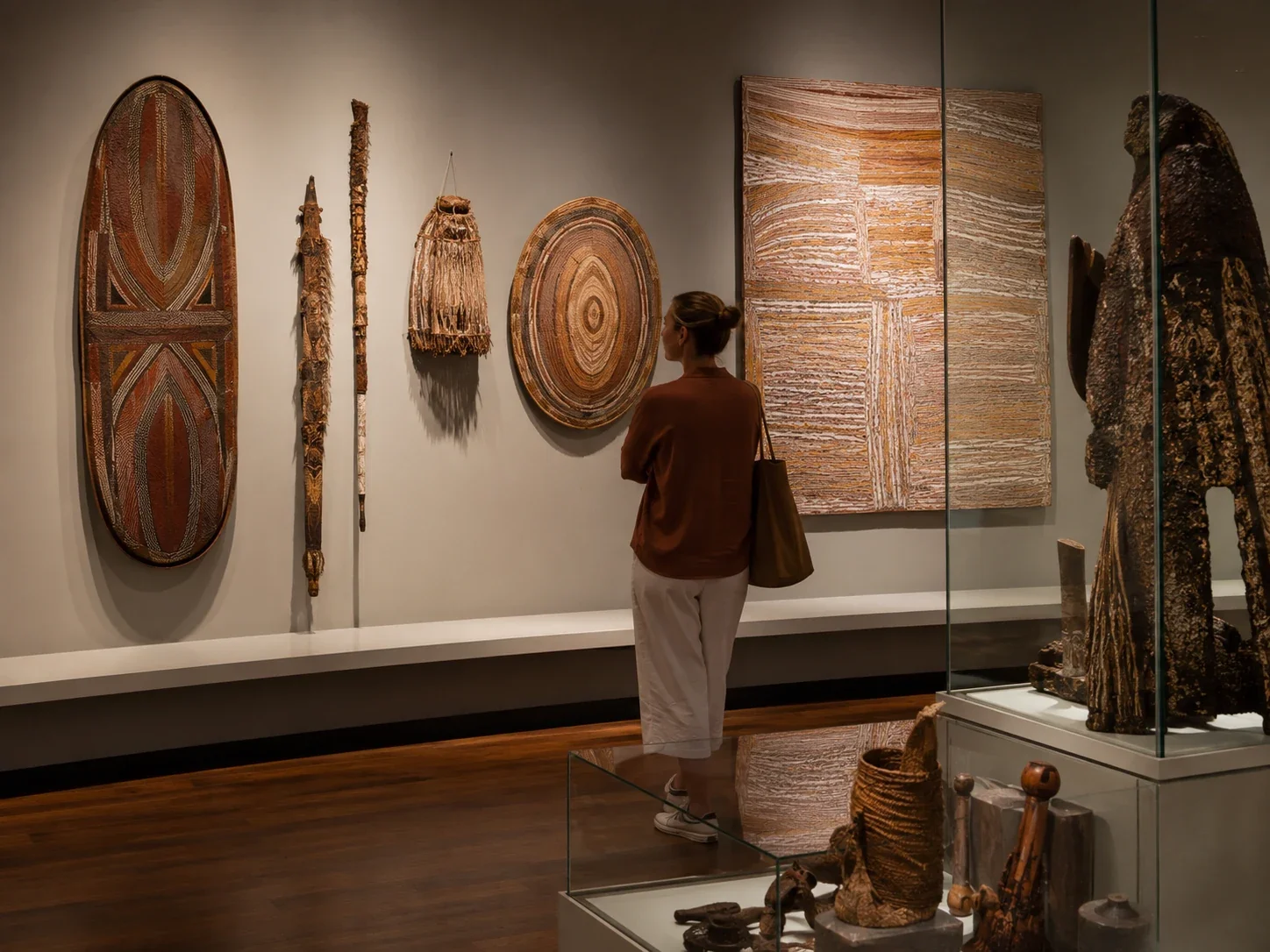
If you are searching for an Aboriginal museum in Sydney, the honest answer is that the city has no single dedicated one, but several major institutions hold significant First Nations collections, alongside a community-run keeping place and Aboriginal-led tours on Country.
This guide covers where to go, what you will see, what is free, and how to go further than a glass case by experiencing living culture in the places it belongs.
Museums and galleries are a strong starting point for learning. They protect cultural objects, show art and history, and increasingly work with First Nations communities on how that material is presented. The deepest learning, though, happens on Country with an Aboriginal guide, so this guide pairs the best institutions with the living-culture experiences that bring them to life.
Is there an Aboriginal museum in Sydney?
There is no single national Aboriginal museum in Sydney, but you can learn about First Nations cultures at several institutions and on Aboriginal-led tours. The main places to start are:
Australian Museum: the largest First Nations collection in the city, in the CBD.
Art Gallery of NSW: the Yiribana Gallery, a dedicated space for Aboriginal and Torres Strait Islander art.
Australian National Maritime Museum: saltwater Country stories at Darling Harbour.
Museum of Sydney: place-based histories on the site of the first Government House.
Aboriginal Heritage Museum: a small community-run keeping place in northern Sydney.
Museum of Contemporary Art: leading contemporary Aboriginal and Torres Strait Islander art.
Beyond these buildings, the bushland around Sydney holds thousands of engravings and rock-art sites, and Aboriginal-led walking tours let you learn on Country with a guide. Together they give a fuller picture than any one museum can.
Best museums and galleries to learn about First Nations culture in Sydney
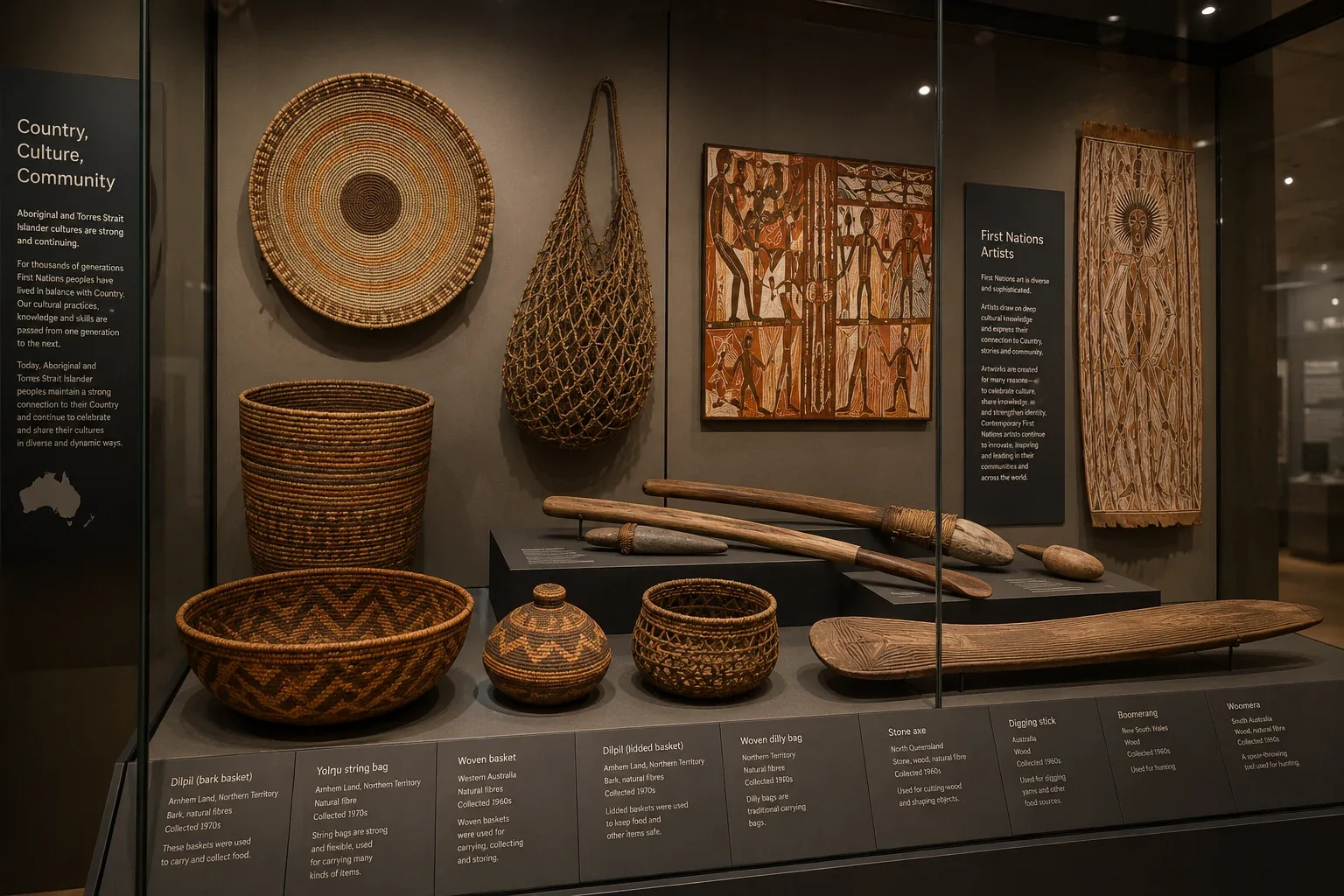
These are the leading places to see First Nations collections, art and history in Sydney, with a note on what each does best.
1. Australian Museum
The Australian Museum holds one of the most significant First Nations collections in the country, in the heart of the Sydney CBD on William Street. Its permanent exhibitionGarrigarrang: Sea Country shares the cultures of saltwater peoples along the New South Wales coast, including creation stories and ceremonial objects, developed with First Nations communities.
General entry is free, and the museum runs gallery tours led by First Nations guides for groups. It suits first-time visitors and families who want broad context before going deeper.
2. Art Gallery of NSW (Yiribana Gallery)
The Art Gallery of New South Wales is home to the Yiribana Gallery, a dedicated space for Aboriginal and Torres Strait Islander art. Yiribana means "this way" in the Sydney language, and the gallery first opened in 1994. It now sits as the first gallery you reach inside Naala Badu, the gallery's northern building on Art Gallery Road in The Domain, which opened in late 2022.
Entry to the Art Gallery is free. This is the place to see the breadth of First Nations art, from desert painting to bark and contemporary work.
3. Australian National Maritime Museum
The Australian National Maritime Museum at Darling Harbour tellsFirst Nations stories through the lens of saltwater Country and sea connection. Its programming and collections cover Aboriginal and Torres Strait Islander relationships with water, navigation and coastal life.
Entry to the main galleries is free, with tickets for some vessels and special experiences. It is a good choice if you are drawn to coastal culture and the sea Country that shapes Sydney.
4. Museum of Sydney
The Museum of Sydney, operated by Museums of History NSW, stands on the archaeological site of the first Government House at the edge of Circular Quay. It tells place-based stories of early Sydney, including the meeting of the Gadigal and the British, and the histories that followed. Admission is free, and pre-booking is recommended.
Visit when you want to understand the specific history of the city centre and its First Nations foundations.
5. Aboriginal Heritage Museum
TheAboriginal Heritage Museum is a small community-run keeping place operated by the Aboriginal Heritage Office in northern Sydney. It holds cultural objects and historical displays covering pre-colonial times to today, and welcomes visitors including small school groups.
Entry is free and it opens limited weekday hours, so check the Aboriginal Heritage Office website for the current location and times before you go. It offers a community-led experience that the larger institutions cannot replicate.
6. Museum of Contemporary Art
The Museum of Contemporary Art Australia, on the harbour at The Rocks, holds one of the strongest collections ofcontemporary Aboriginal and Torres Strait Islander art in the country. Its displays move from early desert painting to new commissions by living artists.
General entry is free. Choose the MCA when you want to see how First Nations art speaks to the present, not only the past.
For deeper study, the Chau Chak Wing Museum at the University of Sydney, the Powerhouse and the State Library of NSW all hold First Nations collections, archives and photographs worth a visit.
Aboriginal museums and galleries in Sydney compared
Use this table to pick two or three places that suit your interest and sit close together.
| Institution | Focus | Area | Entry | Best for |
|---|---|---|---|---|
| Australian Museum | First Nations collection, Garrigarrang: Sea Country | Sydney CBD | Free general entry | Broad context and families |
| Art Gallery of NSW (Yiribana) | Aboriginal and Torres Strait Islander art | The Domain | Free entry | Art across regions and styles |
| Australian National Maritime Museum | Saltwater Country and sea connection | Darling Harbour | Free galleries, some ticketed | Coastal and sea Country |
| Museum of Sydney | First Government House site, early Sydney history | Circular Quay | Free, pre-book | History of contact and the city |
| Aboriginal Heritage Museum | Community keeping place | Northern Sydney | Free, limited hours | A community-led visit |
| Museum of Contemporary Art | Contemporary First Nations art | The Rocks | Free general entry | Living artists and new work |
Entry and opening hours change, so check each institution's website before you visit.
Museums or living culture on Country: what is the difference?
A museum shows cultural objects, art and history in a building, while an Aboriginal-led tour lets you learn living culture in the places it comes from, with a guide who carries it.
Both have value, and they work best together. A display can show you a fishing tool or an engraving in a photograph; standing on Country, you can see how the land, the seasons and the story connect.
This is the gap a museum visit leaves open. First Nations cultures are living, practised today through language, ceremony, art and care for Country, not only held in collections.
Pairing a gallery visit with time on Country gives you both the objects and the context, especially if you want to understand how First Nations culture is practised and shared today. For a fuller experience, compare the best Aboriginal cultural experiences in Sydney and learn what an Aboriginal cultural tour involves before choosing the right visit.
Aboriginal rock art and cultural sites around Sydney
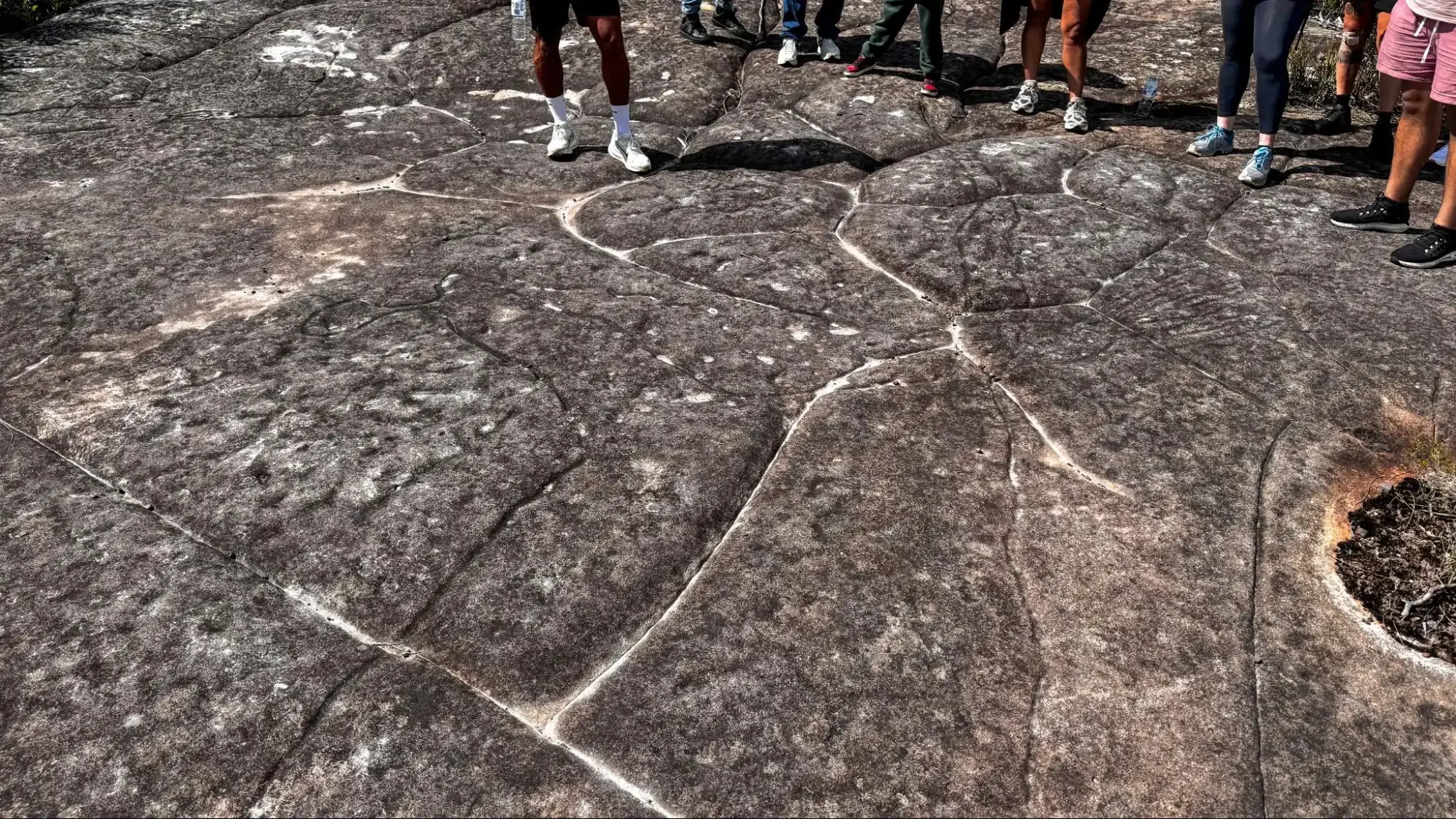
Sydney sits among thousands of Aboriginal engravings, paintings and cultural sites, many in national parks within an hour of the city. These open-air places are living cultural sites, and the most respectful way to see them is with an Aboriginal guide who can share their meaning. Well-known areas include:
Ku-ring-gai Chase National Park: sandstone engravings and rock-art sites across the northern bushland and West Head.
Royal National Park: the Jibbon headland engravings near Bundeena, among the most significant in the Sydney region.
Grotto Point: engravings of animals and figures along the Spit to Manly walk on the harbour.
Treat every site with care: stay on tracks, do not touch or stand on engravings, and follow any signage. Some places and knowledge are not for public sharing, and a guide can show you what is open to visitors.
Aboriginal-led tours and experiences in Sydney
Aboriginal-led tours are the most direct way to learn living culture in Sydney, on Country and from an Aboriginal guide.
Natcha Cultural Tours is an Aboriginal-owned business led by Eric Brown, a descendant of the Yuin, Bidjigal, Dharawal and Gundungarra peoples, running walking tours and cultural experiences across Sydney and New South Wales.
Ku-ring-gai Chase walking tour: a guided walk through Ku-ring-gai Chase among engravings and bushland in Sydney's north.
Royal National Park walking tour: an on-Country walk in the Royal National Park on Dharawal Country south of the city.
La Perouse walking tour: a cultural walk at La Perouse on the headlands of Kamay Botany Bay, a place of deep and continuing Aboriginal history.
Bondi Burri Burri Whale Tour: a land-based cultural walk along the Bondi cliffs with whale watching from the headland, not a boat cruise.
Smoking ceremony and Welcome to Country: a cultural protocol delivered by the right people for events, schools and organisations
These experiences also suit schools, community groups and workplaces, and they can be arranged as private bookings. To learn what a day looks like, read our guide on what to expect on an Aboriginal walking tour in Sydney.
Whose Country is Sydney, and what is its Aboriginal name?
Sydney's city centre sits on Gadigal Country. The cove at the heart of the city, known today as Sydney Cove, or Warrane, was recorded in early colonial journals by its Aboriginal name Warrane.
The wider Sydney basin is home to many clans and language groups, each with their own connection to Country. That means there is no single Aboriginal name for all of modern Sydney.
If you want to learn the histories of specific places, the City of Sydney's Aboriginal histories of Sydney and Barani resources are reliable, respectful starting points.
How to plan a respectful visit
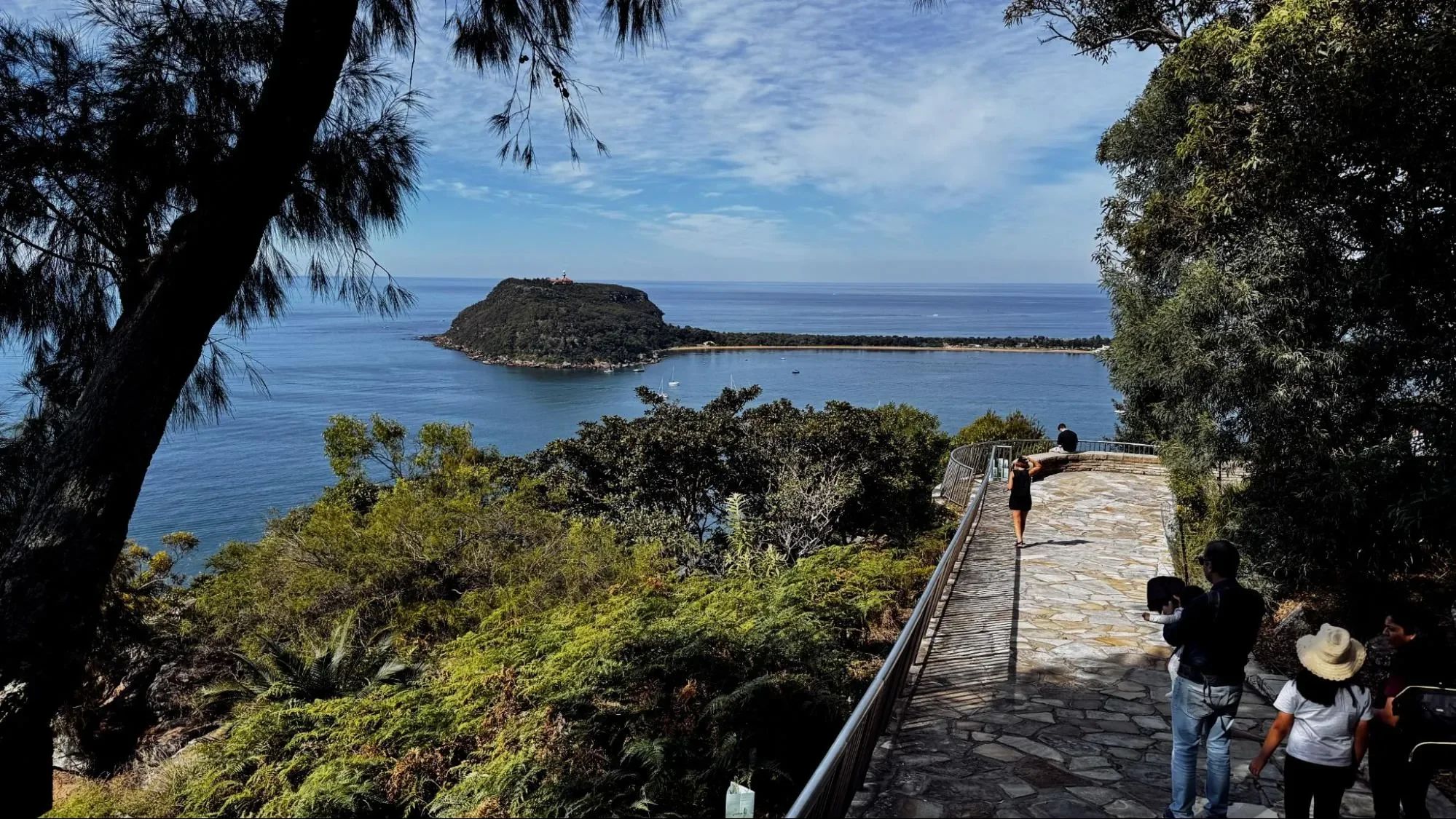
Planning a thoughtful visit takes only a few steps and makes the experience better for everyone.
Pick two or three places that sit close together, such as a CBD museum, a harbour gallery and a city history site, so you spend less time travelling and more time learning.
Check opening hours, entry and current exhibitions on each institution's website, because displays and prices change.
Allow time for guided talks or First Nations gallery tours, which add context a label cannot.
Follow photography and cultural protocols, including any requests not to photograph particular objects or sites.
Pair a museum visit with time on Country, ideally an Aboriginal-led tour, to connect the objects you see with the living culture they come from.
Plan your visit to Country
A museum is a strong first step, and an Aboriginal-led tour is how you connect what you see to living culture on Country. Browse Natcha's Aboriginal walking tours or get in touch to plan a private, school or corporate experience in Sydney.
Frequently asked questions
1. Is there an Aboriginal museum in Sydney?
There is no single dedicated Aboriginal museum in Sydney, but several institutions hold major First Nations collections. The Australian Museum, the Art Gallery of NSW (Yiribana Gallery), the Australian National Maritime Museum, the Museum of Sydney and the Museum of Contemporary Art all share Aboriginal and Torres Strait Islander culture, and a community-run Aboriginal Heritage Museum operates in northern Sydney.
2. Which museum is best for learning about Aboriginal culture in Sydney?
The Australian Museum is the best single starting point, because it holds the largest First Nations collection in the city and offers free general entry in the CBD. For art, the Yiribana Gallery at the Art Gallery of NSW is the strongest choice. For living culture, an Aboriginal-led walking tour on Country goes further than any single display.
3. Is the Australian Museum free?
Yes, general entry to the Australian Museum is free, though some special exhibitions are ticketed. The First Nations galleries, including Garrigarrang: Sea Country, are part of the free general entry. Check the museum website for current special exhibitions and any booking requirements.
4. What is the Yiribana Gallery?
The Yiribana Gallery is the Art Gallery of NSW's dedicated space for Aboriginal and Torres Strait Islander art. "Yiribana" means "this way" in the Sydney language, and the gallery first opened in 1994. It now sits within the Naala Badu building, and entry is free.
5. Where can I see Aboriginal rock art near Sydney?
You can see Aboriginal engravings and rock art in national parks close to Sydney, including Ku-ring-gai Chase, the Royal National Park and along the Spit to Manly walk at Grotto Point. These are living cultural sites, so visit them respectfully and ideally with an Aboriginal guide who can share their meaning.
6. Are there Aboriginal-led tours in Sydney?
Yes, Aboriginal-led walking tours run across Sydney and New South Wales, including with Natcha Cultural Tours. These tours cover places such as Ku-ring-gai Chase, the Royal National Park, La Perouse and the Bondi cliffs, and they can be booked for individuals, families, schools and workplaces.
