
Best Aboriginal Cultural Experiences in Sydney: Tours, Country and Culture
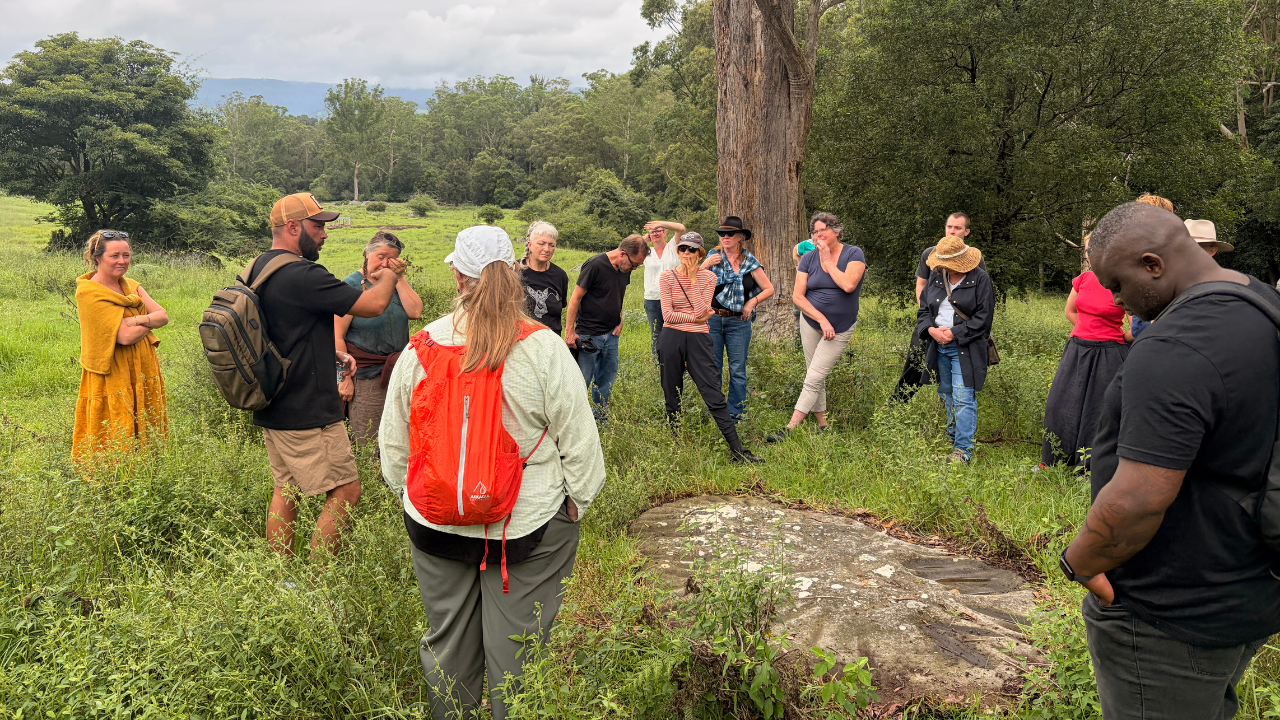
We acknowledge the Traditional Custodians of the lands this article speaks of: the Yuin, Bidjigal, Dharawal, Kamagal, Gweagal and Guringai peoples. We pay our respects to Elders past and present, and recognise their continuing connection to land, waters and culture across what is now known as Sydney.
Aboriginal cultural experiences in Sydney are not sightseeing in the usual sense. They are invitations to walk on Country with people whose families have cared for these lands for tens of thousands of years, to hear stories in the places they belong, and to share in ceremonies that open and close the day. The difference is felt rather than explained.
This guide covers the experiences worth knowing in Sydney, what to look for when choosing one, and what each location offers. Several featured here are run by Natcha Tong Nong Ga, an Aboriginal-owned business led by Eric Brown, a descendant of the Yuin, Bidjigal, Dharawal and Gundungarra peoples. Other operators are mentioned where their work complements rather than overlaps.
What Makes an Aboriginal Cultural Experience Meaningful?
A meaningful Aboriginal cultural experience is one led by Aboriginal people on Country, conducted with cultural protocol, and shared in a way the community has agreed can be shared. Each of those elements matters.
Country, in Aboriginal English, is more than land. It is the network of waterways, plants, animals, sites and stories that people belong to and care for. When you visit a country with a guide whose family is connected to that place, you are entering a relationship that has been continuous for over 60,000 years.
Cultural protocol shapes the day. A Welcome Smoking Ceremony cleanses and welcomes visitors, and is offered by people with the standing to give it. Stories are shared selectively. Some knowledge is for everyone, some is held within family or community, and a good guide is clear about the difference.
What this means for visitors is simple: an experience worth your time will feel slower, more grounded, and more specific to where you are than a standard sightseeing tour. You will leave with names, stories, and a way of seeing the landscape that wasn't visible to you before.
How to choose an Aboriginal-led cultural experience
Not every tour marketed as an Aboriginal experience is led by Aboriginal people, and not every Aboriginal-led tour operates on the Country of the people running it. Both points matter. Use these five criteria when comparing options.
Aboriginal ownership and operation. The business should be Aboriginal-owned, with profits returning to Aboriginal hands. Look for clear statements on the website and check Supply Nation listings or community endorsements where available.
Connection to the local Country. The guide should be a descendant of, or recognised by, the Traditional Custodians of the place you are visiting. A Yuin guide working in Yuin Country is operating with cultural authority. Generic Aboriginal experiences with no place-based connection are weaker.
Community recognition. Look for membership of local land councils, partnerships with cultural organisations, or named cultural authorities. This signals the operator works within the protocols of the local community rather than around them.
Ethical sharing of stories and sites. A trustworthy guide is open about what they will and won't share publicly, and explains why. They will not photograph or visit sites the community has asked to be kept private.
Reinvestment in community. Many Aboriginal-owned operators direct part of their income into healing, cultural revival or youth programs. Ask, or check, where your money goes.
Aboriginal walking tours in Sydney's national parks
Sydney is surrounded by Country that holds tens of thousands of years of Aboriginal history, much of it preserved within the boundaries of national parks. Natcha Tong Nong Ga runs walking tours in four locations, each with a different feel and a different focus. All start with a Welcome Smoking Ceremony, run for two to three hours, and finish with a reflection.
Prices range from $99 to $130 per adult, with reduced rates for children. The choice between them comes down to which Country interests you, which day you can travel, and whether you need a city pickup.
1. Royal National Park (Friday)
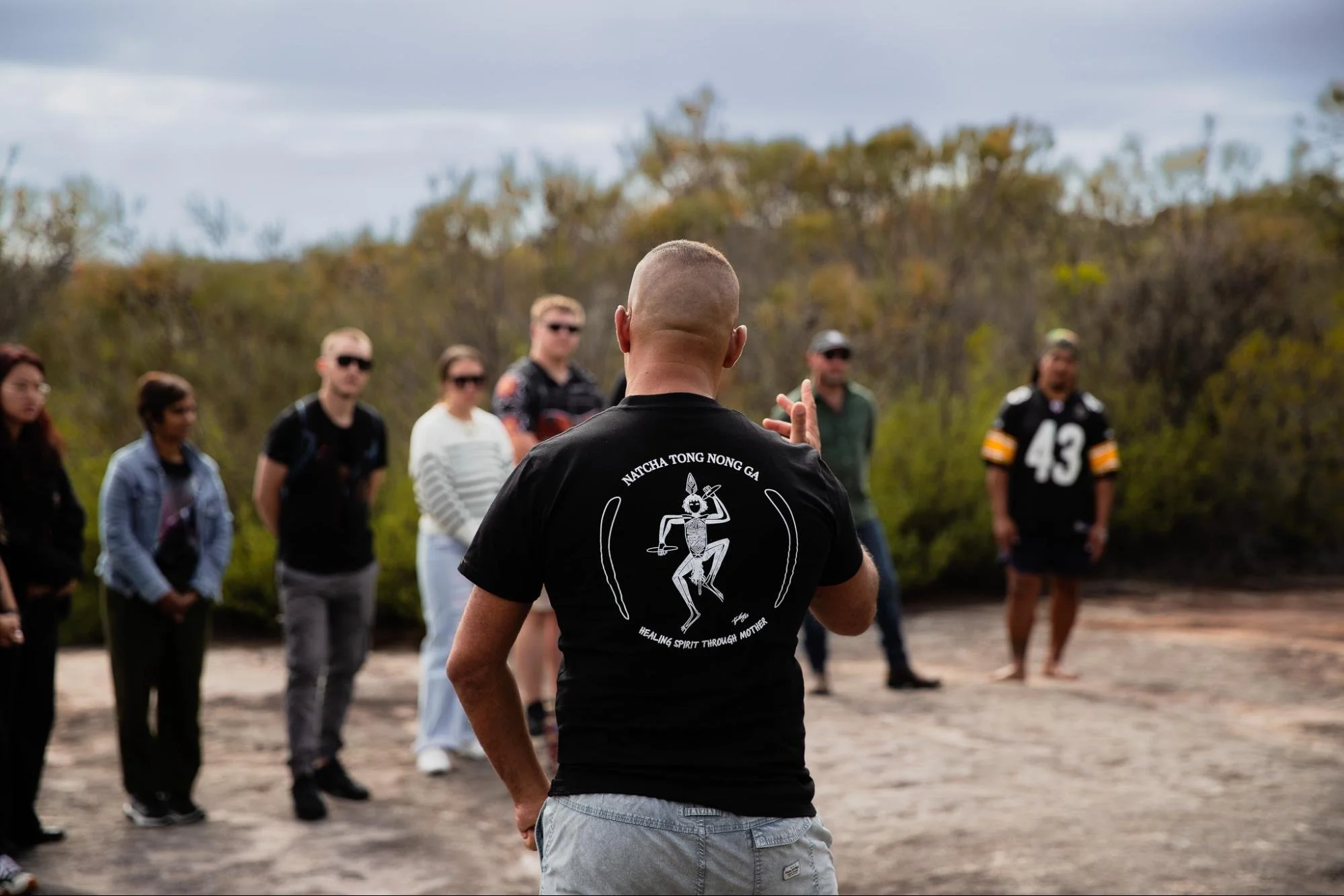
The Royal National Park was established in 1879, making it the second-oldest national park in the world. It sits on Dharawal Country, an hour's drive south of Sydney CBD near Cronulla, and covers 16,000 hectares of clifftops, rainforest and coastal heath.
Natcha's tour runs Friday mornings from 10 am to 1 pm, self-drive to the starting point. The day opens with a Welcome Smoking Ceremony, then moves into a guided walk through sites of cultural significance with stories shared along the way, and closes with a reflection. Adult tickets are $130, and children aged 6 to 15 are $52.
The Royal suits visitors who want a longer walk through a varied landscape and have access to a car for the morning.
2. Ku-ring-gai Chase National Park (Saturday)
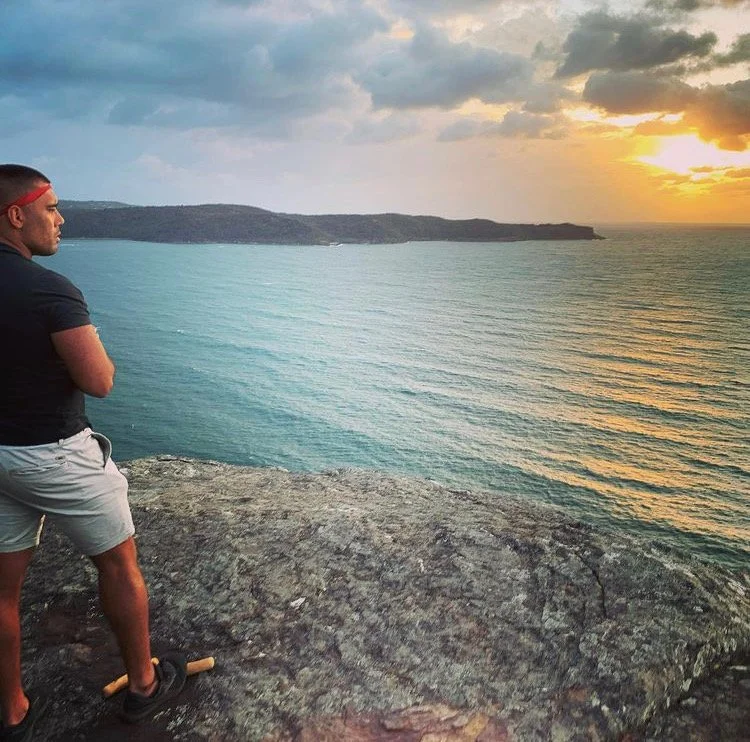
Ku-ring-gai Chase National Park is Australia's second-oldest national park, located in Sydney's north on Guringai Country. It is known for its concentration of Aboriginal rock engravings, some of the most significant in the Sydney basin.
Natcha's tour runs Saturday mornings from 10 am to 1 pm, self-drive to the starting point. The format follows the same arc as the Royal: Welcome Smoking Ceremony, guided walk, and reflection. The walking route focuses on engravings and on the ecological knowledge that connects the land, waterways and food sources of the area. Adult tickets are $130, children $52.
Ku-ring-gai suits visitors with an interest in rock art and the deeper time of Aboriginal occupation in Sydney. Book the Ku-ring-gai tour for a Saturday morning departure.
3. Kamay Botany Bay, La Perouse (Sunday)
La Perouse sits on the northern headland of Kamay Botany Bay, on the Country of the Gweagal and Bidjigal peoples. Kamay carries some of the heaviest weight in Australian history: it is where the Endeavour landed in 1770, and where one of the longest-running Aboriginal communities in Sydney still lives today.
Natcha's La Perouse tour runs on Sunday mornings, with two booking options. The self-drive La Perouse tour runs from 10 am to 12 pm at $99 per adult and $40 per child. The La Perouse tour with Sydney city pickup includes hotel transfer and runs from 9.30 am to 12.30 pm at $115 per adult and $46 per child. Both include a visit to the La Perouse Museum.
La Perouse suits visitors without a car, or those wanting to understand the encounter history from an Aboriginal perspective.
4. Kamay Botany Bay, Kurnell (on request)
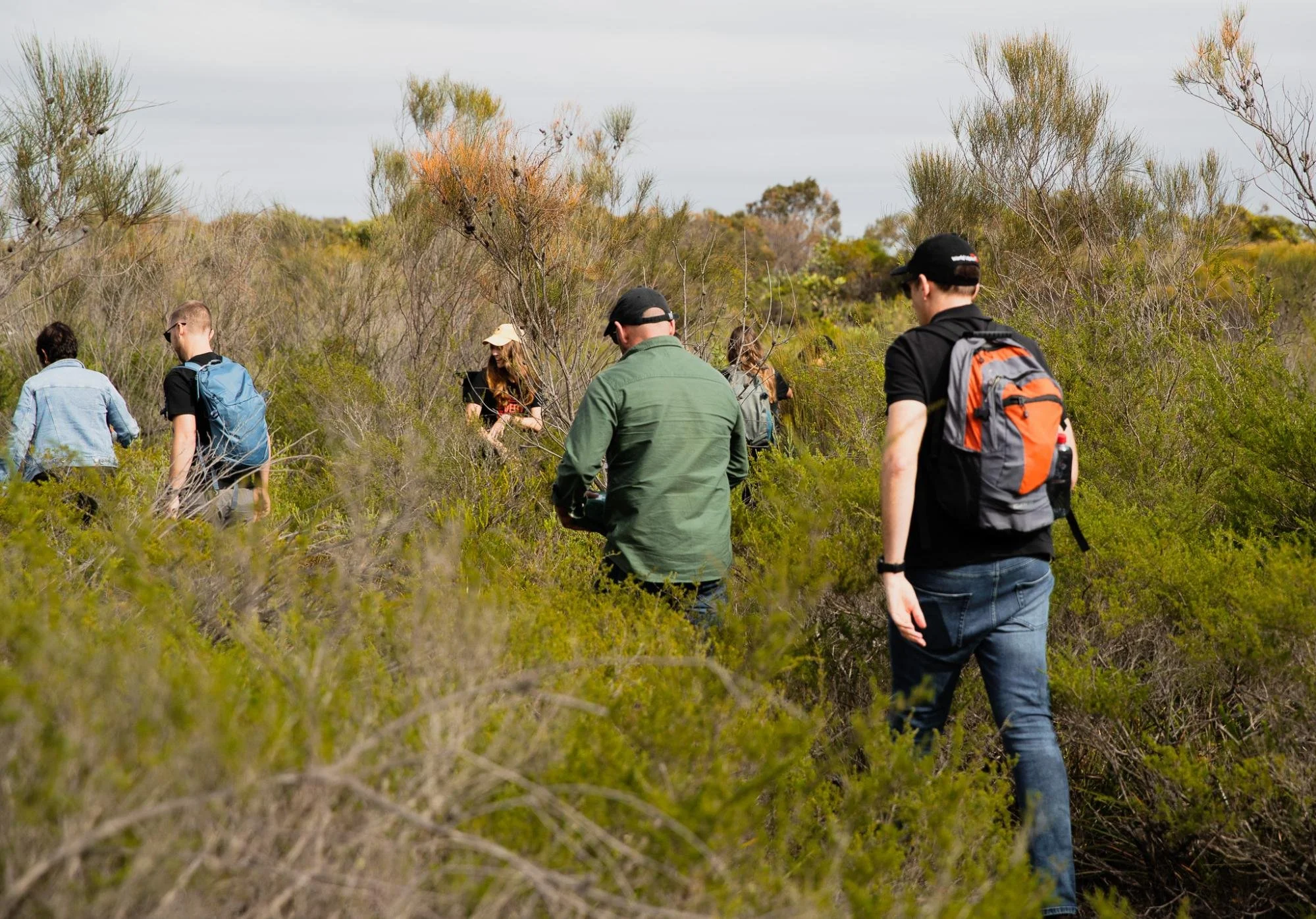
Kurnell is the southern headland of Kamay Botany Bay, opposite La Perouse, and was the site of first contact between local Aboriginal people and the crew of the Endeavour. The Country here belongs to the Gweagal and Dharawal peoples.
Natcha's Kurnell tours run on request rather than to a fixed schedule, with sunrise (6 am to 8 am), mid-morning and afternoon options. Pricing matches the Royal and Ku-ring-gai tours at $130 per adult, $52 per child. Kurnell is also the base for the Whale Watching Ceremony, covered in the next section.
To arrange a Kurnell tour, get in touch with us
Kurnell suits private groups, sunrise ceremonies, and visitors interested in encounter history.
The Bondi Aboriginal Walking Tour: Burri Burri Whale Experience
The Bondi Aboriginal Walking Tour brings together one of Sydney's most recognised coastal locations and one of the most spectacular natural events on the eastern seaboard: the annual whale migration. Burri Burri is a Whale, and the tour is built around the cultural significance of these animals to the saltwater peoples of this coast.
Whales pass Bondi twice a year. The northern migration runs roughly from May to June, when humpbacks travel from Antarctic feeding grounds to warmer breeding waters in the north. The southern return runs from August to November, often with mothers and calves visible from the cliffs. From the right vantage points, dozens of whales can pass in a single morning.
The tour includes:
A Welcome Smoking Ceremony at the start of the walk
A guided walk along the Bondi to Bronte coastal path
The Burri Burri whale story, shared in the places it belongs
Time at lookouts during peak migration windows
Bondi suits visitors who want to combine a recognisable Sydney location with cultural content and seasonal natural phenomena. It also works well for shorter timeframes and groups with mixed interests. Booking ahead is strongly recommended during peak migration weeks.
Smoking ceremonies and Welcome to Country
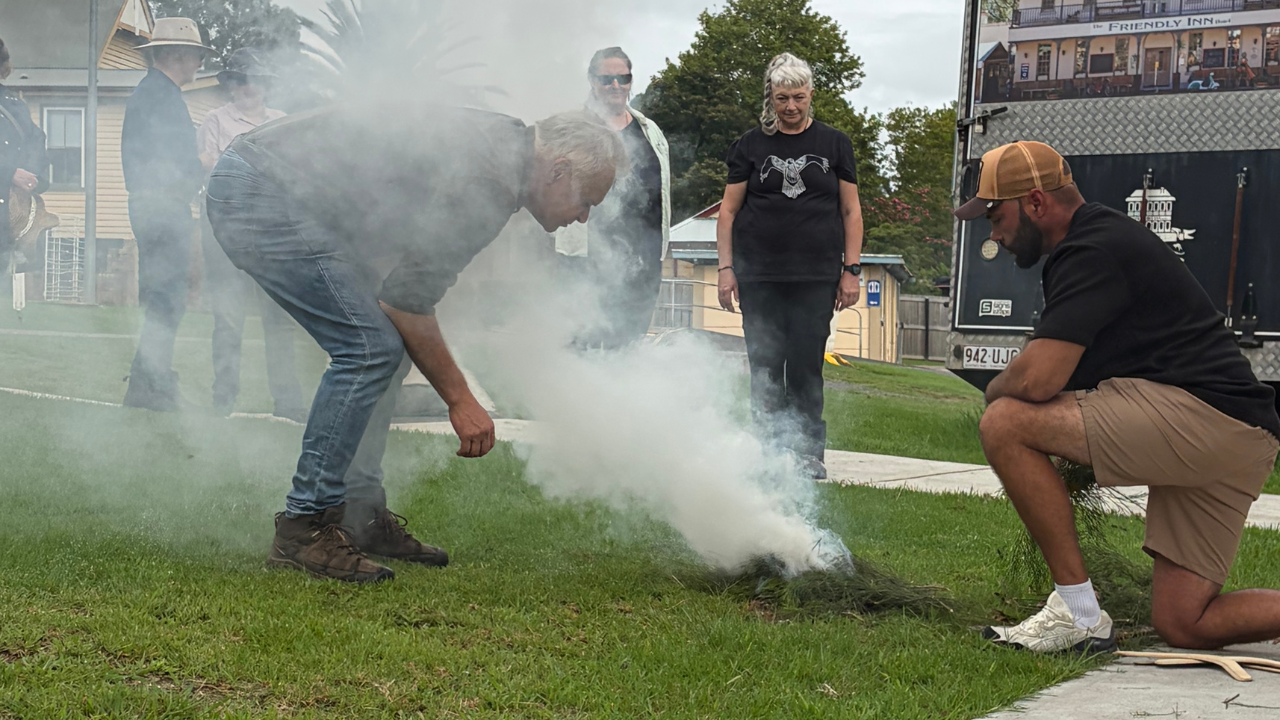
A Smoking Ceremony is a cleansing and welcoming ritual that uses smoke from native plants, particularly eucalyptus leaves, to mark the start of a gathering on Country. It clears the space, welcomes visitors and ancestors, and signals that the day will be conducted with cultural protocol.
Every Natcha tour opens with a Smoking Ceremony. Visitors are invited to step through, or be passed around, with the smoke. The ceremony takes only a few minutes but changes the tone of everything that follows.
For visitors, the Smoking Ceremony is often the moment the day shifts. People arrive carrying the week with them, and the few minutes spent stepping through the smoke tend to settle the group before the walk has even begun. It is a small ceremony with a noticeable effect.
It helps to understand the difference between a Welcome to Country and an Acknowledgement of Country. A Welcome to Country is offered by a Traditional Custodian of the specific Country you are in, and carries cultural authority.
An Acknowledgement of Country is a respectful recognition that anyone can offer, and is appropriate at the start of a meeting, event or piece of writing. Both matter, but they are not the same thing.
Aboriginal cultural experiences for corporate teams
Corporate cultural experiences with Natcha sit somewhere between team-building and learning. The structure mirrors the public tours, with a Welcome Smoking Ceremony, a walk on Country, story and reflection, but the day is shaped around the group's brief: leadership development, cultural literacy, or supporting a Reconciliation Action Plan.
Past corporate clients include the Dusseldorp Foundation and the University of Sydney. Both ran their experience as part of broader work on culture, learning, or wellbeing.
A typical corporate day delivers:
Genuine team cohesion built outside the office, on Country, in a setting that levels seniority
Substantive RAP support, particularly for organisations working towards Innovate or Stretch level
Grounded leadership development, with reflection prompted by ceremony and place
Cultural literacy that participants take back into client work, hiring and internal practice
Sessions can run from a half-day to multi-day camps, with location and content discussed with organisers in advance. Corporate bookings also help fund the Ngabul Foundation, a healing program for Aboriginal young people in custody and in the community.
Other Aboriginal cultural experiences in Sydney
A complete picture of Aboriginal cultural experiences in Sydney also takes in operators and institutions whose work runs alongside Natcha's, rather than parallel to it. Three are worth knowing.
Tribal Warrior Aboriginal Cruises run cultural cruises across Sydney Harbour, departing from Circular Quay. The harbour-based format covers different ground to a national park walking tour, with stories of saltwater Country and significant sites visible only from the water. Tribal Warrior is also a long-running Aboriginal community organisation supporting employment and youth programs.
Royal Botanic Garden Aboriginal Heritage Tour offers a guided introduction to Aboriginal plant use, food and medicine in central Sydney. As a garden-based experience close to the CBD, it suits visitors with limited time or mobility who want a grounded cultural introduction before going further afield.
The Australian Museum's First Nations galleries hold a significant collection of Aboriginal cultural material, including pieces from across the continent. Museum visits are different in character to on-Country experiences, and work well as a complement, especially for school groups or visitors interested in deeper history.
Frequently asked questions
1. What is a Smoking Ceremony?
A Smoking Ceremony uses smoke from native plants to cleanse a space and welcome people onto Country. It is offered by people with the cultural standing to give it, and traditionally marks the beginning of a significant gathering. Most Aboriginal-led tours in Sydney begin with one.
2. What's the difference between Aboriginal and Indigenous?
Both terms are widely used in Australia. Aboriginal refers specifically to the First Peoples of mainland Australia and Tasmania, while Indigenous is a broader term that also includes Torres Strait Islander peoples. When in doubt, asking what someone prefers is always appropriate.
3. What should I wear and bring on a cultural tour?
Wear closed walking shoes, layered clothing for weather changes, and a hat. Bring a refillable water bottle, sunscreen, and a light raincoat in cooler months. Most Sydney tours involve uneven walking surfaces and some bush terrain, so dress practically rather than smartly.
4. Can children attend Aboriginal cultural tours?
Yes. Natcha's tours welcome children aged 6 and over at reduced child rates ($40 to $52, depending on the tour). Younger children can usually be accommodated on private tours, where the pace and content can be shaped around the group.
5. Are Natcha's tours wheelchair accessible?
Accessibility varies by location, as several tours involve bush tracks and uneven ground. La Perouse and parts of Bondi are the most accessible options, while Royal and Ku-ring-gai involve more demanding terrain. Contact Natcha directly to discuss specific access requirements before booking.
6. When is the best time of year for whale watching tours?
Humpback whales pass Sydney during their northern migration from May to June, and again on the southern return from August to November. Mid-June and September to October typically offer the highest chance of strong sightings, including mothers with calves on the southern leg.
7. How do bookings support Aboriginal community programs?
Proceeds from Natcha's tours help fund the Ngabul Foundation, a healing program for Aboriginal young people facing trauma, delivered both in custody and in the community. Booking a tour is a direct contribution to this work, alongside cultural employment for guides.
Country is at the centre of every experience covered in this guide. Whether you walk in the Royal, the Ku-ring-gai, or along the Bondi cliffs, what stays with you is rarely the photographs. It is the sense that you have been somewhere meaningful with someone who belongs there.
