
What Is an Aboriginal Cultural Tour?
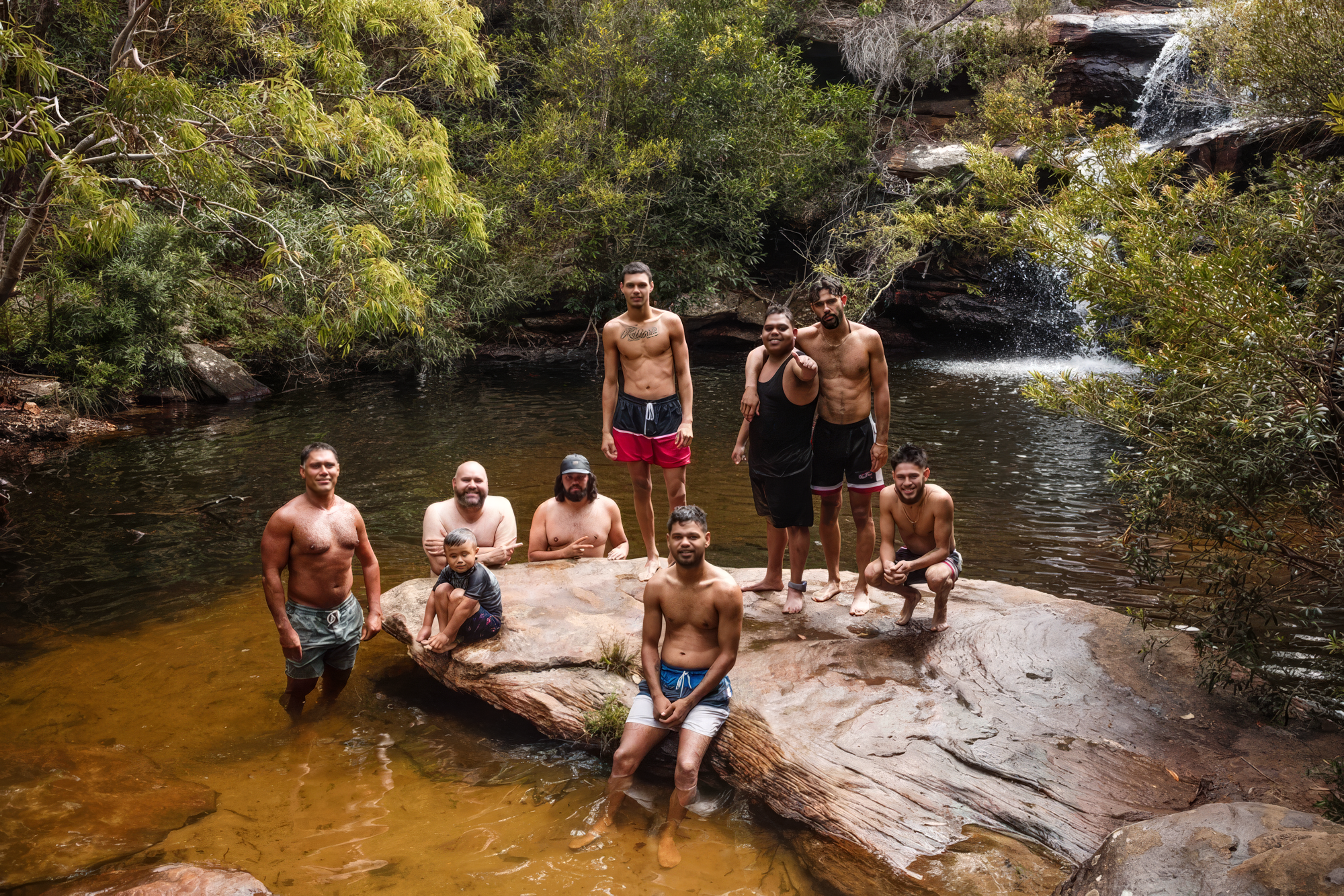
An Aboriginal cultural tour is a guided experience led by Aboriginal people on their own Country, where visitors learn through walking, listening and ceremony rather than reading or watching from a distance. It is a way of meeting the land through the people who belong to it.
These tours run across Australia, in cities, national parks, deserts and along the coast. Some are short walks. Some are multi-day camps. What they share is structure: a Welcome of some kind, time on Country with stories shared in the places they belong, and reflection at the end. This guide explains what an Aboriginal cultural tour is, what happens during one, and how to choose a tour run with the right cultural authority.
What is an Aboriginal cultural tour?
An Aboriginal cultural tour is an experience led by Aboriginal people on Country, where visitors are welcomed through cultural protocol and guided through sites, stories and knowledge that belong to the place they are walking. The defining feature is not the activity but the authority behind it.
Three things make a cultural tour distinct from a standard guided tour. First, it is led by Aboriginal people whose family or community has a connection to the Country being visited. Second, it follows cultural protocol, which usually includes a Welcome or Smoking Ceremony at the start and a reflection at the end. Third, it shares knowledge selectively, with the guide deciding what is appropriate to share with visitors and what is held within the community.
A useful way to think about it: a sightseeing tour describes a place from the outside. A cultural tour introduces you to a place from the inside, through the people who belong to it. The difference is felt rather than explained, and most visitors notice it within the first hour.
Who runs Aboriginal cultural tours?
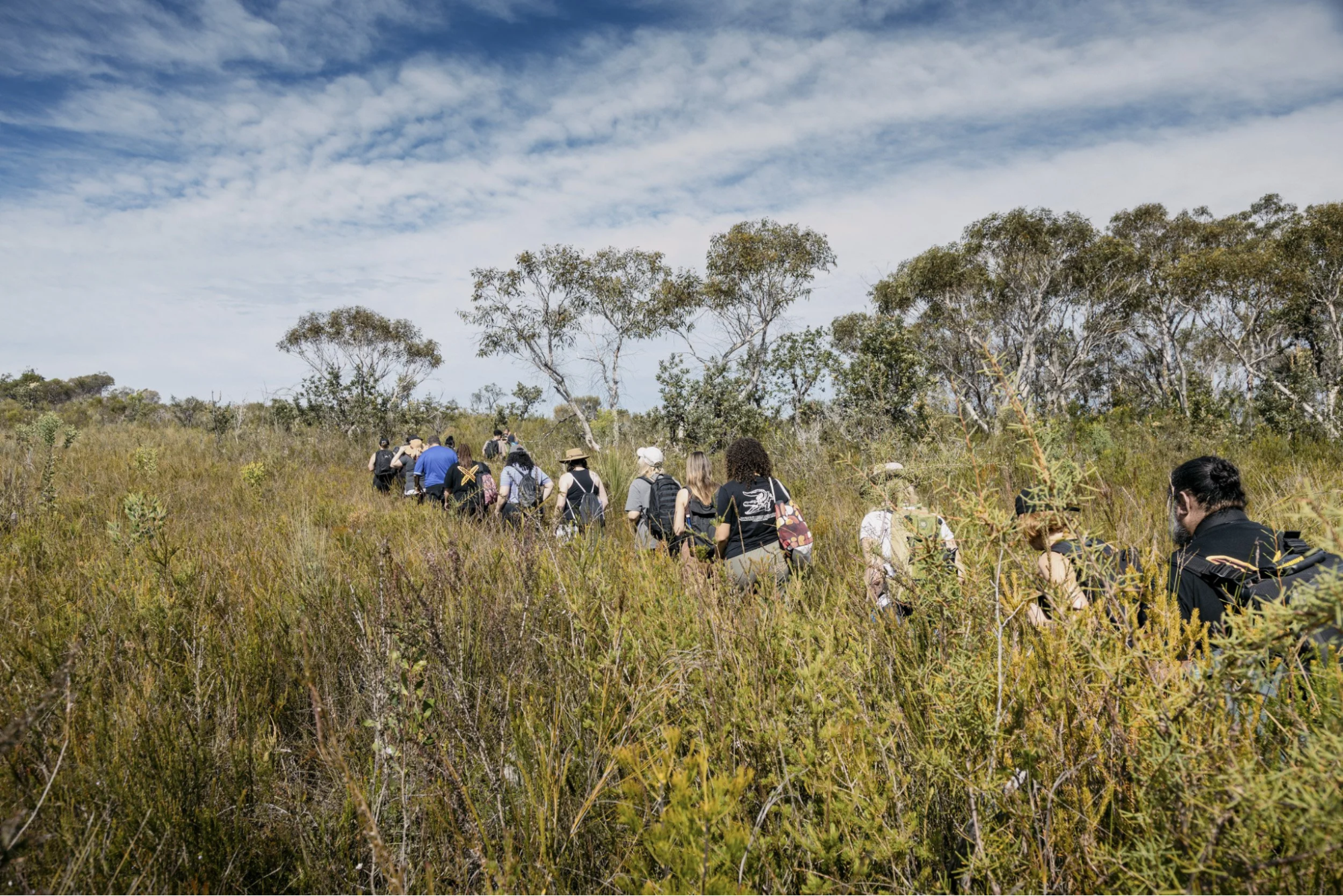
Aboriginal cultural tours are run by Aboriginal-owned businesses, community organisations, and cultural enterprises connected to the Country they operate on. Ownership and connection are both important.
Most reputable operators will state their ownership clearly on their website, name the cultural authority of their guides, and describe their relationship to the local community. Many are listed withSupply Nation, the national directory of verified Aboriginal and Torres Strait Islander businesses, which is a reliable starting point if you are unsure.
It is worth understanding the distinction between Aboriginal-led tours and tours that include Aboriginal content. Some non-Aboriginal operators run tours that visit Aboriginal sites or discuss Aboriginal history, but are not led by Aboriginal people. These can be informative, but they are not cultural tours in the meaningful sense. Cultural authority comes from the guide, not from the subject matter.
In Sydney,Natcha Tong Nong Ga is one example of an Aboriginal-owned operator. Founded by Eric Brown, a descendant of the Yuin, Bidjigal, Dharawal and Gundungarra peoples, it runs walking tours across four national parks on the Country Eric is connected to. Operators with similar credentials run tours in most states and territories.
What happens on an Aboriginal cultural tour?
A typical Aboriginal cultural tour follows a recognisable structure, regardless of length or location. The day moves through five stages.
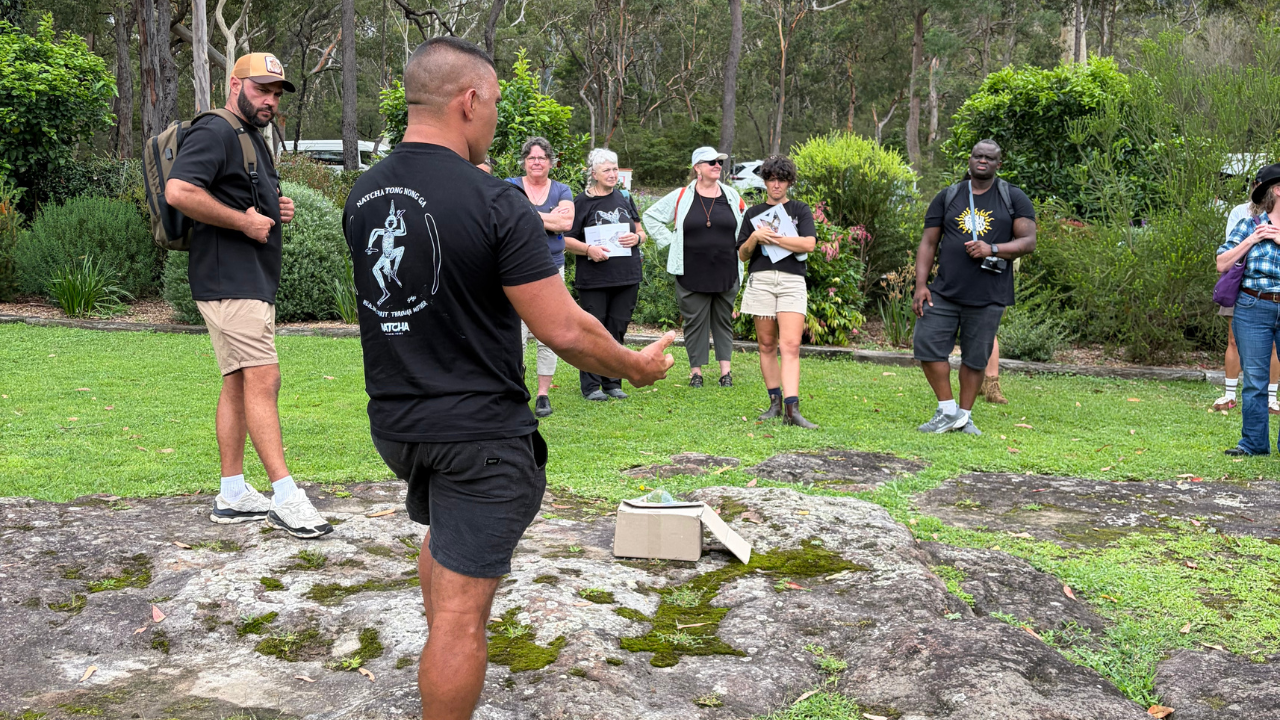
Welcome and Smoking Ceremony. The guide opens the day with a Welcome to Country or, more commonly on tours, a Smoking Ceremony. Smoke from native plants such as eucalyptus is used to cleanse the space and welcome visitors onto Country. It takes only a few minutes but sets the tone for everything that follows.
Introductions and safety briefing. The group introduces themselves, the guide outlines the day's route, and any practical or safety information is shared. This is also where the guide explains the protocols of the day, including which areas are open to discussion and which are not.
Walking and storytelling on Country. The main body of the tour is a walk through the landscape, with the guide stopping at sites of significance, plants used for food or medicine, water sources, and rock engravings or other cultural features where present. Stories are shared in the places they belong, which is part of why on-Country experience differs so strongly from learning from a book.
Quiet time or reflection. Most tours include a quieter section, sometimes at a freshwater spot, lookout, or cave, where the group sits for a few minutes with the place itself. This is often where visitors say something shifts for them.
Closing reflection. The day ends with a short group reflection, where guides invite visitors to share what stayed with them. It is informal but meaningful, and brings the day to a close in the same considered way it began.
For a closer look at what this structure feels like in practice, see theguide to Sydney's Aboriginal cultural experiences.
What you'll learn on an Aboriginal cultural tour
The learning on a cultural tour is layered. There are facts you will pick up almost immediately: language words, plant names, the significance of particular sites. Underneath, there is a slower kind of learning that happens through being on Country with someone who belongs to it.
Most visitors leave with a working understanding of:
Country and its meaning. Why Country is more than land, and why caring for Country has been the core responsibility of Aboriginal people for tens of thousands of years.
Local language. Specific words for places, animals, plants and ceremonies, in the language of the people whose Country you are in.
Bush foods and medicines. Plants used for food, healing or daily life are often shown in the places they grow.
Sites of significance. What different sites are for, why some are open and others are not, and how they are cared for.
The continuity of Aboriginal life. That Aboriginal culture is not historical. It is alive, contemporary and adapting, with the same Country at its centre.
What is harder to put on a list is the change in how visitors see the landscape afterwards. Many describe noticing details they would have walked past before: the way a tree grows, the location of fresh water, the shape of the coastline. That shift is what most cultural tours quietly aim to produce.
Types of Aboriginal cultural tours
Aboriginal cultural tours come in different formats, and the right one depends on time, mobility, location and what you want from the experience.
1. Walking tours on Country
The most common format. Walking tours run from one to four hours, sometimes longer, through national parks, coastal areas or bush settings. They suit visitors who want a substantive introduction to Country with time built in for stories and reflection. Most Aboriginal-owned tour operators offer this format as their core experience.
2. City and harbour-based tours
Urban tours run in central locations, often built around museums, gardens, harbours or coastal walks close to a city centre. These work well for visitors with limited time, lower mobility, or those wanting a cultural introduction before venturing further afield. Tribal Warrior cruises in Sydney, for example, offer a harbour-based saltwater Country experience departing from Circular Quay.
3. Multi-day camps and on-Country experiences
Longer experiences range from overnight camps to week-long stays, and offer the deepest immersion. They are common in remote regions like Arnhem Land, the Kimberley, the Red Centre and parts of Cape York, and are typically booked through community-controlled operators. These suit visitors with time, flexibility, and a strong interest in Aboriginal culture.
4. Corporate and group experiences
Many Aboriginal operators offer tailored experiences for workplaces, schools and community groups. The structure mirrors public tours but is shaped around the group's brief, often supporting Reconciliation Action Plans, leadership development, or cultural literacy. Group sizes, locations and content are usually agreed with organisers in advance.
How to choose a respectful Aboriginal cultural tour
A respectful cultural tour is one where ownership, connection and protocol all line up. Five quick checks before booking:
The operator is Aboriginal-owned. Stated clearly on the website, ideally with Supply Nation or community endorsement.
The guide is connected to the Country. Either a descendant of the local Traditional Custodians, or recognised by them.
Cultural protocols are part of the experience. A Welcome or Smoking Ceremony, and a clear approach to which knowledge is shared and which is held.
Sites are treated with care. No photography in sensitive areas, no entry to closed sites, no commercial use of restricted knowledge.
Income supports community. Many Aboriginal-owned operators direct part of their proceeds into healing, cultural or youth programs.
Frequently asked questions
1. Are Aboriginal cultural tours suitable for children?
Yes. Most tours welcome children, with reduced pricing for younger participants. Walking tours are usually appropriate from age six or seven, and private tours can accommodate younger children with adjusted pacing and content. Children often respond strongly to on-Country experiences.
2. Are Aboriginal cultural tours appropriate for international visitors?
Yes. International visitors are welcome on almost all public tours, and many operators specifically design experiences with overseas guests in mind. No prior knowledge of Australian history or Aboriginal culture is needed. Guides explain context as they go.
3. Do I need any prior knowledge before booking?
No. Cultural tours are designed to introduce the topic to people of any background. Curiosity and respect are the only prerequisites. Most guides prefer visitors to arrive without preconceptions and learn from the day itself.
4. What should I wear on an Aboriginal cultural tour?
Closed walking shoes, layered clothing for changeable weather, a hat, and sun protection. Bring a refillable water bottle. Most tours involve uneven terrain and some bush walking, so dress practically. Operators will provide specific guidance when you book.
5. Are Aboriginal cultural tours physically demanding?
It depends on the format. Most walking tours involve two to four kilometres of bush or coastal terrain at a relaxed pace. Urban tours and cruises require less effort. Multi-day camps can be more demanding. Operators publish difficulty information on each tour page.
6. Can I take photographs on an Aboriginal cultural tour?
Usually yes, but with limits. Many sites permit photography, while others, such as some rock art sites and ceremonial areas, do not. Always ask the guide before taking photographs. The same applies to recording or photographing guides during ceremony.
7. How do I show respect on an Aboriginal cultural tour?
Listen more than you speak, ask before photographing, and follow the guide's instructions on what to touch, where to walk, and which questions are appropriate. Acknowledging Country at the start of the day, even silently, is also a meaningful gesture.
8. ,Where can I book an Aboriginal cultural tour in Sydney?
Several Aboriginal-led operators run tours across Sydney's national parks, coastline and harbour. The full set of options is covered in theguide to Sydney's Aboriginal cultural experiences, and Natcha's owntours page lists weekly walking tours at Royal National Park, Ku-ring-gai Chase, La Perouse and Kurnell.
An Aboriginal cultural tour is, in the end, a relationship rather than a product. The relationship is between you, the guide, and the Country you walk on. The land has been here for a very long time, and the people who belong to it have been here just as long. A few hours in their company is a quiet way to begin understanding both.
