
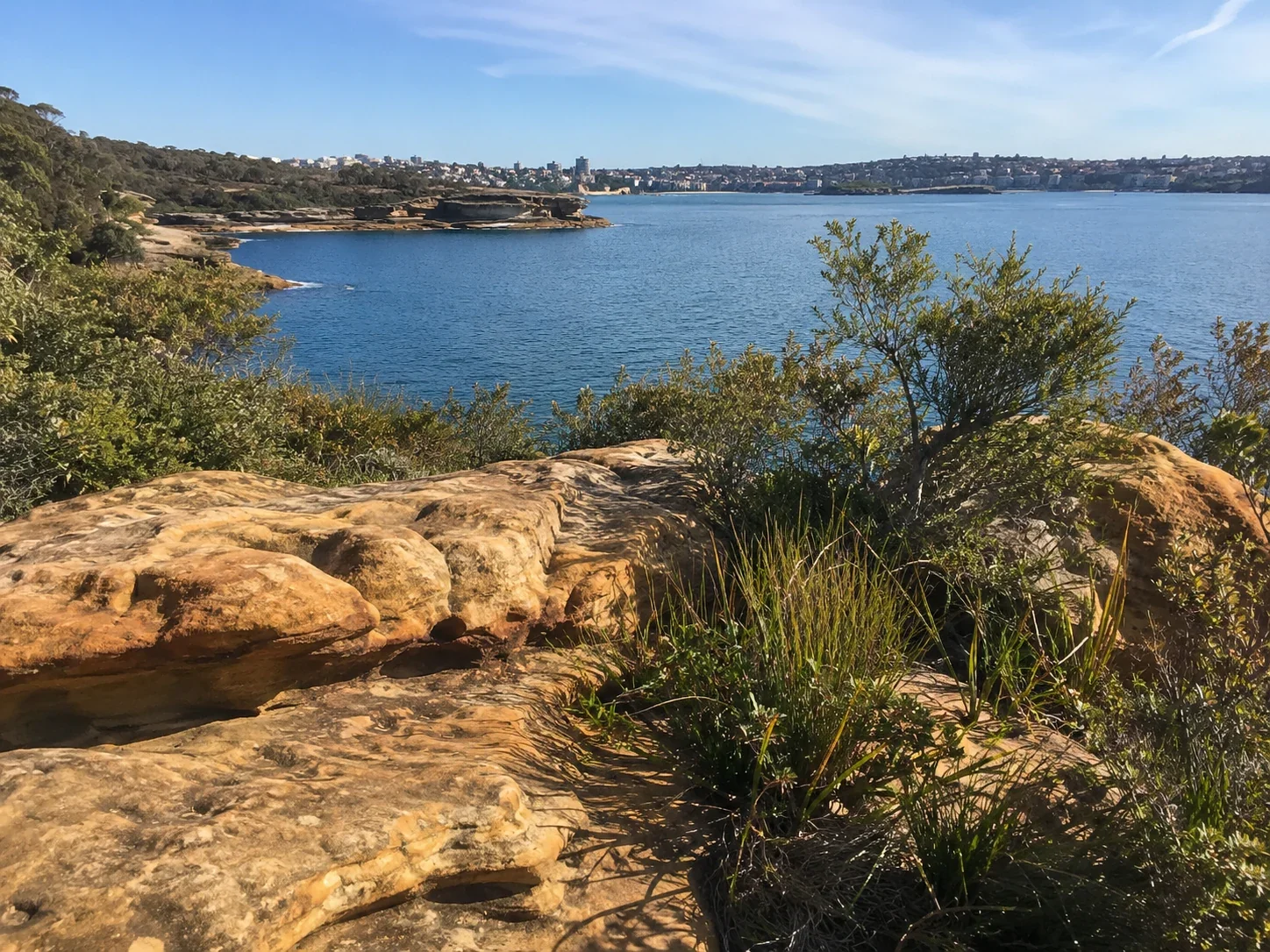
The Gadigal people are the Traditional Custodians of the Country now known as central Sydney, including places around Sydney Cove, the southern side of Port Jackson and the modern Sydney CBD. They are part of a wider network of Aboriginal peoples, clans and Countries across coastal Sydney, with living connection to Country continuing today.
For many people, the word “Gadigal” is first heard in an Acknowledgement of Country. Others see it at public events, on signs, in schools, in workplaces, at cultural venues or through names such as Gadigal Station.
But Gadigal Country is not only a phrase. It refers to people, place, language, survival and continuing cultural connection in the heart of Sydney. To understand central Sydney properly, we need to look beyond the skyline and recognise the older Country beneath it.
This guide explains who the Gadigal people are, what the name means, where Gadigal Country is generally understood to be, how Gadigal Country fits within Sydney’s wider Aboriginal context, what happened after 1788, and how to acknowledge Gadigal Country respectfully.
Cultural note: Natcha Cultural Tours does not speak on behalf of Gadigal people. This article is a respectful, sourced public explainer. For formal cultural protocols, events, education programs or place-specific wording, seek guidance from the relevant Traditional Custodians, Elders or local Aboriginal organisations.
Who Are the Gadigal People?
The Gadigal people are the Aboriginal people whose Country includes central Sydney, especially the area around Warrane, now Sydney Cove, and the southern side of Port Jackson. They are widely acknowledged as the Traditional Custodians of the place now known as Sydney.
| Topic | Quick answer |
|---|---|
| Who are the Gadigal? | The Gadigal are the Traditional Custodians of central Sydney. |
| Where is Gadigal Country? | Generally the southern side of Port Jackson, including Sydney Cove, the CBD and surrounding inner-city areas. Boundaries vary by source. |
| What does Gadigal mean? | Gadigal is commonly explained as “people of the grass tree” or “people of Cadi.” |
| How does Gadigal Country fit into wider Sydney Aboriginal history? | Gadigal Country is part of a wider network of Aboriginal Countries, clans and named places across Sydney. |
| Is Gadigal culture still living? | Yes. Gadigal identity, Aboriginal community and cultural recognition continue in Sydney today. |
| Can anyone acknowledge Gadigal Country? | Yes. Anyone can give an Acknowledgement of Country, but a Welcome to Country must be given by an appropriate Traditional Custodian, Elder or representative. |
The Gadigal people are the Traditional Custodians of the land now known as central Sydney, including important places around Sydney Harbour, Warrane, Sydney Cove, the CBD and the southern side of Port Jackson.
City of Sydney acknowledges the Gadigal as the Traditional Custodians of its local area, and Sydney Barani identifies the Gadigal as the people of central Sydney.
Key facts to understand:
Traditional Custodians: The Gadigal are recognised as the Traditional Custodians of the place now called Sydney.
Country: Gadigal Country is closely connected to Sydney Harbour, Warrane, Sydney Cove, the CBD and surrounding inner-city areas.
Connection to place: Gadigal life was shaped by the harbour, shoreline, bays, plants, animals, freshwater sources and sandstone Country.
Living people: Gadigal people and the wider Aboriginal community are not only part of history. Culture and connection continue today.
Wider context: Gadigal Country sits within a broader network of Aboriginal Countries, clans and named places across Sydney.
Sydney’s Aboriginal history begins long before the colonial story of 1788, with Country, language, kinship and culture already deeply established across the harbour and surrounding landscapes.
What Does “Gadigal” Mean?
Gadigal is commonly explained as meaning “people of the grass tree” or “people of Cadi. ”Botanic Gardens of Sydney explains that “Gadi” means grass tree in Sydney Aboriginal languages, while “gal” is a suffix meaning people. Together, Gadigal can be understood as “People of the Grasstree.”
This meaning is closely connected to place. The Royal Botanic Garden Sydney stands on Gadigal Country, and Botanic Gardens of Sydney explains that the land was originally called Woccanmagully. The Cadi Jam Ora garden, translated as “I am in Cadi,” acknowledges the Traditional Custodians of that place.
The grass tree, or Xanthorrhoea, is more than a plant in this context. It points to how Aboriginal names often connect people with Country, resources, ecology and belonging. The name Gadigal is therefore not just a label. It carries a relationship between people and the place where they belong.
Where Is Gadigal Country?
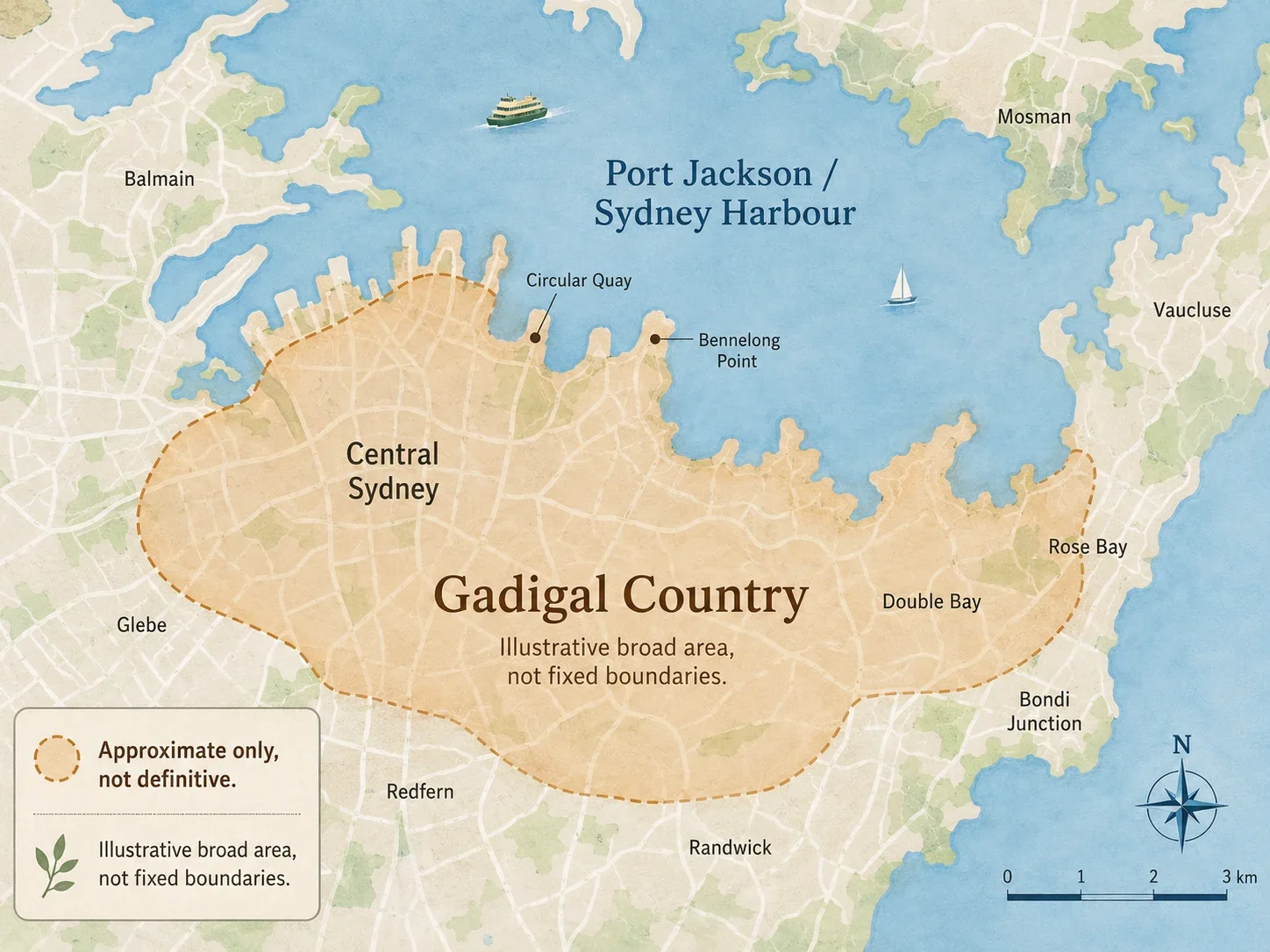
Gadigal Country is generally associated with central Sydney and the southern side of Port Jackson, including the modern CBD, Sydney Cove, Darling Harbour and nearby inner-city areas. Exact boundaries should be treated with care because Aboriginal Country does not follow modern suburb lines, and sources vary.
A careful public-facing description is:
North: Port Jackson, now Sydney Harbour.
East: Toward South Head and the eastern harbour areas.
Centre: Warrane, now Sydney Cove, plus the modern CBD and inner Sydney.
West: Toward Darling Harbour and areas where Gadigal Country meets neighbouring Wangal Country.
South: Toward areas where Gadigal Country meets neighbouring clans, including connections toward the Cooks River area.
Neighbouring groups are also important. The Wangal are commonly associated with areas west along the Parramatta River. Cammeraygal Country lies across the harbour to the north. Kameygal, Gweagal and Bidjigal connections are important around Botany Bay and southern coastal Sydney. These names should not be blurred together.
Country is not a modern map line. It is a living relationship between people, land, water, language, responsibilities, neighbouring groups and cultural connection.
Gadigal Country at a Glance
| Aspect | Detail |
|---|---|
| People | Gadigal, also written as Cadigal or Cadi-gal in some sources. |
| Country | Central Sydney, including the southern side of Port Jackson and the area now known as the Sydney CBD. |
| Important place | Warrane, now Sydney Cove. |
| Wider context | Part of the broader Aboriginal history of coastal Sydney. |
| Name meaning | Often explained as “people of the grass tree” or “people of Cadi.” |
| Neighbouring clans | Wangal, Cammeraygal, Kameygal, Gweagal and Bidjigal are among neighbouring or nearby groups discussed in Sydney sources. |
| Modern recognition | Acknowledgements of Gadigal Country, Gadigal Station, cultural programs, public artworks and place-based education. |
| Cultural caution | Boundaries and spellings vary. Use “generally described as” where needed and seek local guidance for formal use. |
How Does Gadigal Country Fit Within Sydney’s Wider Aboriginal Context?
The Gadigal are connected to central Sydney and the southern side of Port Jackson, while surrounding harbour, river and coastal areas are connected to other Aboriginal groups and Countries.
This distinction matters because people often use broad regional terms as if they mean the same thing as Gadigal Country. They do not. Gadigal Country refers more specifically to central Sydney, while the wider Sydney region includes many Aboriginal peoples, Countries, languages, waterways and named places.
| Term | What it means | Best use |
|---|---|---|
| Gadigal | A people connected to central Sydney and the southern side of Port Jackson. | Use when referring to Sydney CBD, Warrane, Sydney Cove and Gadigal Country. |
| Gadigal Country | The Country associated with the Gadigal people. | Use when referring to central Sydney and surrounding inner-city areas where appropriate. |
| Wider Sydney Aboriginal context | The broader network of Aboriginal peoples, Countries and named places across Sydney. | Use when speaking about Sydney beyond central Gadigal Country. |
This article stays focused on central Sydney and the Gadigal people specifically. For wider learning, it helps to understand Sydney as a place made up of many connected Countries, clans, waterways, headlands and cultural landscapes rather than one single Aboriginal place name.
Gadigal Life, Culture and Connection to Country
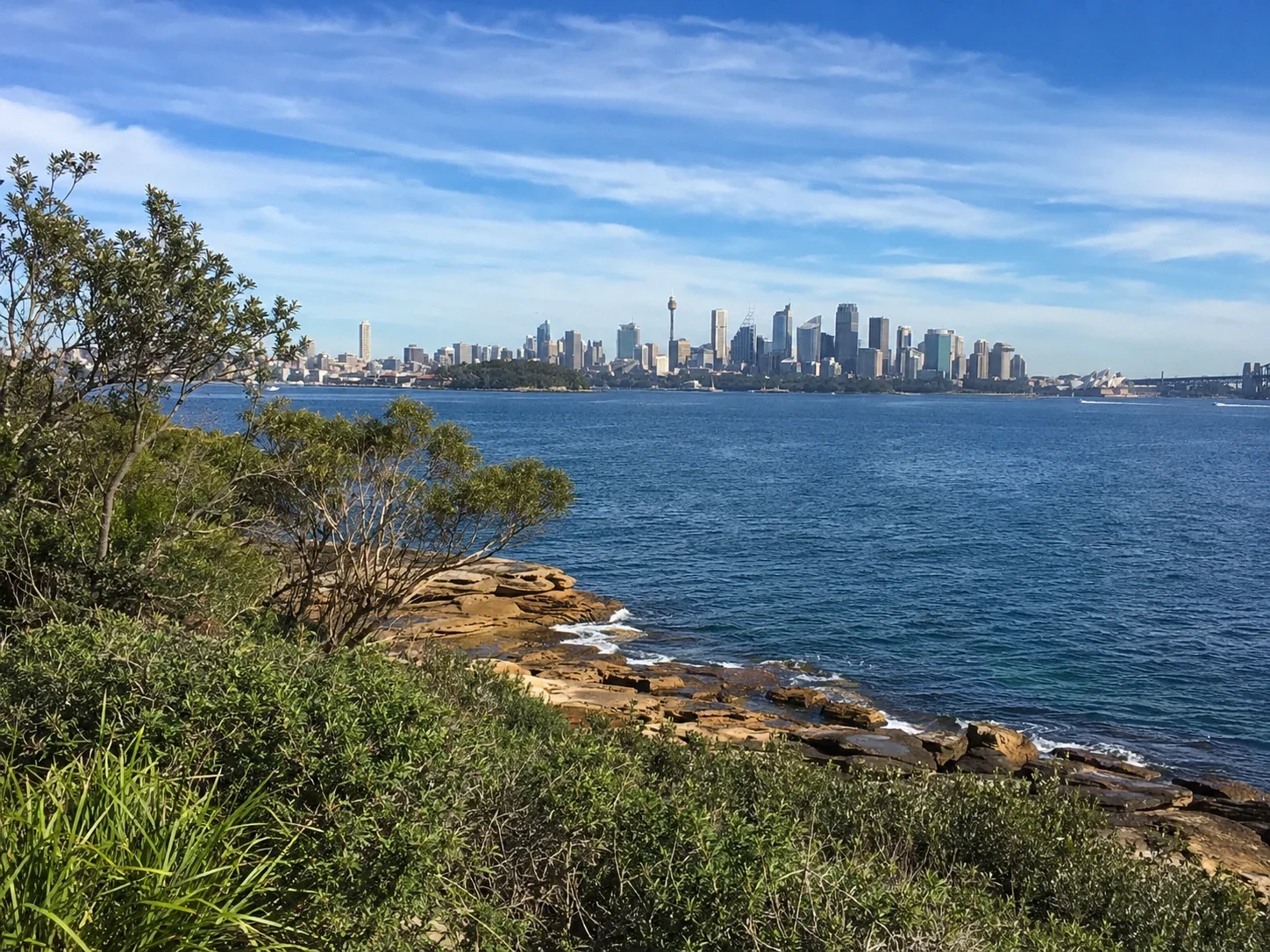
Gadigal life was shaped by the harbour, sandstone, freshwater, plants, animals and seasonal knowledge of central Sydney.
Before roads, towers and ferries, this place was known through Country. The harbour provided fish and shellfish. Sandstone ridges and shelters held cultural importance. Plants such as the grass tree were part of the landscape and identity. Movement followed water, weather, resources, family and responsibility.
Important parts of Gadigal and coastal Sydney life included:
Saltwater knowledge: The harbour, coves and shoreline were central to food, travel and daily life.
Nawi: Bark canoes were used on Sydney’s waterways.
Fishing and gathering: Fish, shellfish, plants and other resources supported life on Country.
Sandstone places: Shelters, engravings and rock platforms are part of Sydney’s Aboriginal cultural landscape.
Cadi: The grass tree is closely connected to the meaning of Gadigal and the identity of Country.
Cultural knowledge: Connection to Country continued through relationships, responsibilities and knowledge held by people and place.
Cultural places across Sydney are not ordinary sightseeing stops. Rock engravings, shelters, middens and important cultural landscapes can hold deep meaning, which is whyAboriginal sacred sites should be approached with respect, care and local guidance.
The Gadigal People After 1788
The British arrival in 1788 had devastating impacts on Gadigal Country, including occupation, disease, dispossession and the disruption of cultural life around Sydney Cove.
In 1788, the British established a convict outpost on the shores of Sydney Harbour. Historical sources describe the impacts on Aboriginal people around Sydney as far-reaching and devastating, including the occupation and appropriation of traditional lands.
Warrane, now Sydney Cove, became the centre of the colony. This meant Gadigal Country was one of the first places affected by British settlement. Camps, fishing places, freshwater sources and cultural places were disrupted as the colony expanded.
The 1789 epidemic, probably smallpox, was especially devastating. State Library NSW notes that a terrible disease, probably smallpox, appeared in the colony in April 1789, 15 months after the arrival of the First Fleet. Sydney Barani cites historical research stating that the Gadigal, recognised owners of Sydney Cove, were reduced from about 60 people in 1788 to just three in 1791.
This history should be told truthfully, but not as a story of disappearance. Despite invasion, disease and dispossession, Aboriginal people survived. Culture endured. Connection to Country continued.
It is also important to attribute historical figures correctly. Bennelong was Wangal, not Gadigal. Barangaroo was Cammeraygal, not Gadigal. Pemulwuy was Bidjigal. Their stories are vital to Sydney’s Aboriginal history, but they should not be incorrectly grouped under Gadigal identity.
The Gadigal in Sydney Today
Gadigal culture and Aboriginal presence continue in Sydney today through community, public recognition, place names, education, arts, ceremony and ongoing connection to Country.
City of Sydney states that despite the destructive impact of invasion, Aboriginal culture endured and is now globally recognised as one of the world’s oldest living cultures. This present-tense framing matters. The Gadigal are not only a historical people. They are part of living Aboriginal Sydney.
Modern Sydney increasingly recognises Gadigal Country in public life:
Acknowledgements of Country: Schools, councils, workplaces and events often acknowledge Gadigal Country.
Gadigal Station: Sydney Metro’s Gadigal Station brings the name into everyday movement through the city.
Cadi Jam Ora: The Royal Botanic Garden Sydney includes the Cadi Jam Ora garden, acknowledging Gadigal Country and the relationship between people and plants.
Barangaroo: A major Sydney precinct carries the name of Barangaroo, a Cammeraygal woman remembered in early Sydney history.
Gadigal Place: Cultural institutions and public programs continue to recognise Gadigal Country and Aboriginal Sydney.
Creative culture: Aboriginal artists, educators, guides, performers and community leaders continue to shape how Sydney understands itself.
For visitors, this changes the way the city is seen. The CBD is not just commercial space. The harbour is not just a view. The Royal Botanic Garden is not only a garden. These places sit on Country with older names, older responsibilities and continuing cultural meaning.
How to Acknowledge Gadigal Country Respectfully
An Acknowledgement of Gadigal Country is a way to show respect for the Traditional Custodians of central Sydney, while a Welcome to Country must be given by an appropriate Traditional Custodian, Elder or representative.
City of Sydney explains that a Welcome to Country is where Traditional Aboriginal or Torres Strait Islander custodians welcome people to their land at the beginning of a meeting, event or ceremony. It must be conducted by an appropriate person, such as a recognised Elder from the local area. An Acknowledgement of Country can be given by others to show respect for the Traditional Custodians of the land.
Sample Acknowledgement of Gadigal Country
Example only. Adapt this to your event, location and organisation:
“I acknowledge the Gadigal people as the Traditional Custodians of the Country on which we meet today. I pay my respects to Elders past and present, and acknowledge the continuing connection of Aboriginal and Torres Strait Islander peoples to land, waters, culture and community.”
This is a general sample, not an official script. Formal events, ceremonies, launches, corporate gatherings and school programs may call for a Smoking Ceremony or Welcome to Country arranged with an appropriate Traditional Custodian, Elder or representative.
Acknowledgement do’s and don’ts
Do: Check whose Country you are on before speaking.
Do: Keep the acknowledgement respectful, specific and meaningful.
Do: Name the Traditional Custodians of the specific place where appropriate.
Do not: Treat an Acknowledgement as a box-ticking line.
Do not: Perform a Welcome to Country unless you are authorised to do so.
Do not: Assume Gadigal wording applies to every suburb in Sydney.
How to Learn More About Gadigal Country and Aboriginal Sydney
The best way to learn about Gadigal Country is to listen to Aboriginal voices, use local guidance and understand Sydney as living Country, not only as a city.
Reputable public sources such as City of Sydney, Sydney Barani, Botanic Gardens of Sydney, AIATSIS and State Library NSW are useful starting points. In-person learning can add another layer because Country is understood through place, movement, landscape and cultural knowledge, not only written information.
Respectful learning includes:
Learn local names: Understand when to use Gadigal, Wangal, Cammeraygal, Bidjigal, Kameygal or other local names, and when broader regional terms are appropriate.
Avoid overclaiming: If sources vary, say so.
Respect cultural places: Do not touch engravings, remove objects, walk over protected areas or photograph restricted places.
Listen before speaking: Cultural learning should begin with respect, not assumption.
Choose Aboriginal-led education: An Aboriginal cultural tour can help connect place, culture and protocol in a grounded way.
Natcha does not currently frame its walking tours as Gadigal CBD tours. A coastal experience such as the La Perouse Aboriginal Walking Tour should be described as an Aboriginal-led experience in the Botany Bay area, because La Perouse and Botany Bay involve specific Gweagal, Kameygal, Bidjigal, Dharawal and wider coastal Sydney connections.
For groups comparing different ways to learn on Country, Aboriginal-led cultural experiences in Sydney can support deeper understanding than a standard sightseeing visit. Natcha’s broader tour options are best positioned as respectful cultural learning experiences across Sydney and surrounding Country, not as a single Gadigal Country offering.
Seeing Central Sydney as Gadigal Country
To understand the Gadigal people is to see Sydney differently. The CBD is not only towers, offices and transport lines. Sydney Cove is not only a colonial harbour. The Botanic Garden is not only a public garden. These places sit on Country with deep Aboriginal history and continuing cultural meaning.
Learning about Gadigal Country should lead to more than correct wording. It should lead to respect, listening and better relationships with place. In Sydney, that means recognising Country beneath the city and approaching Aboriginal culture as living, continuing and worthy of care.
FAQs
1. What does Gadigal mean?
Gadigal is commonly understood as “people of the grass tree” or “people of Cadi.” Botanic Gardens of Sydney explains that “Gadi” means grass tree in Sydney Aboriginal languages and “gal” means people.
2. Where is Gadigal Country?
Gadigal Country is generally associated with central Sydney and the southern side of Port Jackson, including Sydney Cove, the CBD and surrounding inner-city areas. Boundaries vary by source and should not be treated as exact suburb lines.
3. How does Gadigal Country fit into wider Sydney Aboriginal history?
Gadigal Country is part of a wider network of Aboriginal Countries, clans and named places across Sydney. It refers more specifically to central Sydney, while the wider region includes many neighbouring groups and places.
4. Whose Country is the Sydney CBD on?
The Sydney CBD is commonly acknowledged as Gadigal Country. The Gadigal people are recognised as the Traditional Custodians of central Sydney.
5. How do I acknowledge Gadigal Country?
For central Sydney, many acknowledgements use wording such as “I acknowledge the Gadigal people as the Traditional Custodians of this Country.” This should be adapted to the event, place and organisation. A Welcome to Country must be given by an appropriate Traditional Custodian, Elder or representative.
6. Are there Gadigal people today?
Yes. Gadigal people and the wider Aboriginal community continue today. Aboriginal culture in Sydney is living culture, not only history. Public acknowledgements, cultural programs, place names and Aboriginal-led education all reflect ongoing connection to Country.
7. Is Gadigal Country the same as Gadigal land?
In common public use, Gadigal Country and Gadigal land are often used to refer to the Country of the Gadigal people. “Country” is usually the more culturally meaningful term because it includes land, waters, people, language, culture, responsibility and belonging.
8. Is Warrane the Aboriginal name for Sydney Cove?
Warrane is widely used as the Aboriginal name for Sydney Cove. It is an important place on Gadigal Country and became one of the earliest centres of British colonisation after 1788.
