
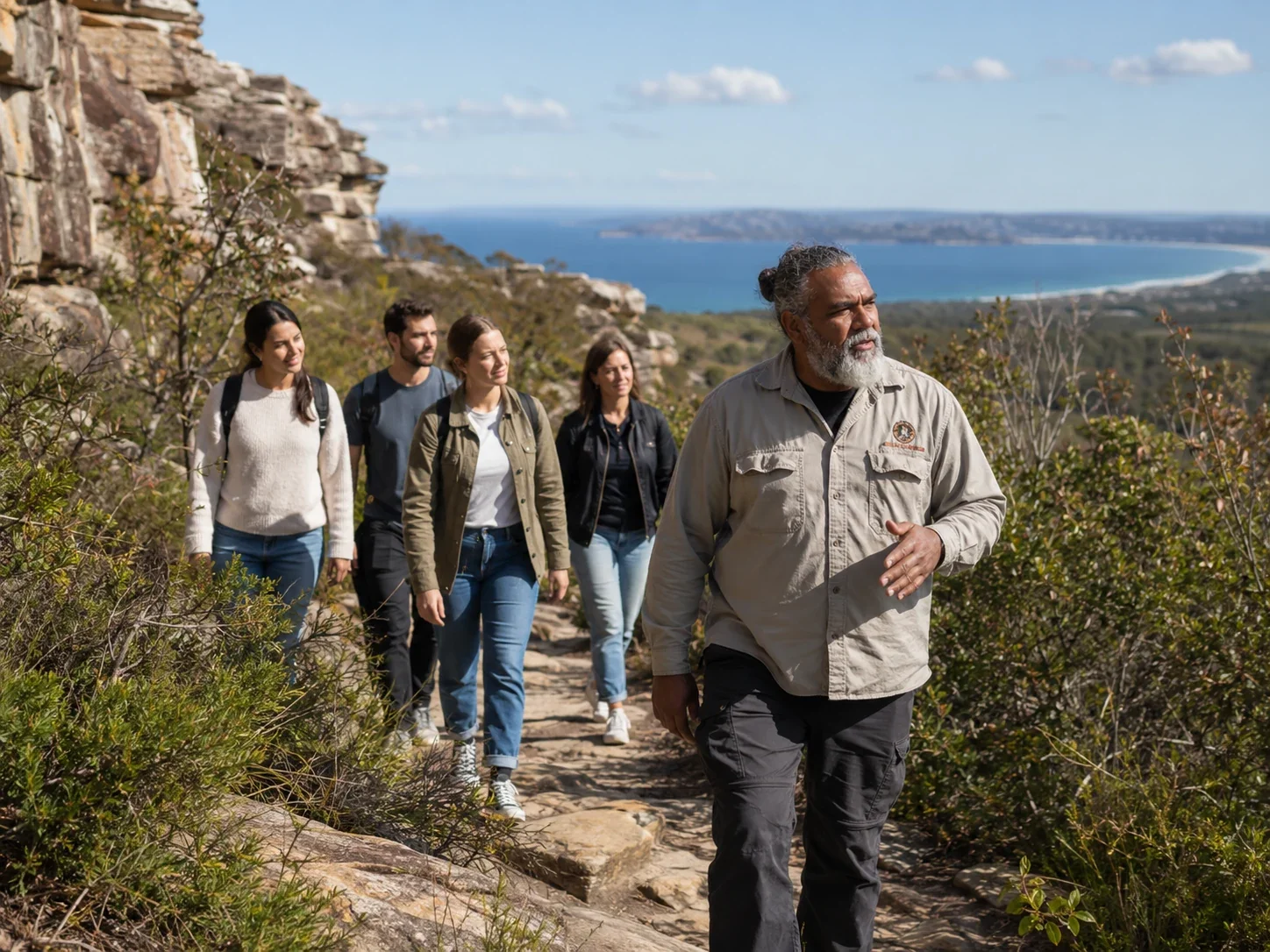
Aboriginal seasons in Sydney are not simply another version of summer, autumn, winter and spring. They are ways of reading Country. Seasonal change can be seen in flowering plants, animal behaviour, winds, rain, waterways, food availability, ceremony and the sky. Across the Sydney region, different Aboriginal knowledge systems show that Country is always changing, speaking and teaching those who know how to listen.
Seasonal knowledge is local. It changes from Country to Country and is held by Traditional Custodians, Elders and knowledge holders. This article shares public examples from Sydney-region seasonal knowledge, including Dharug and D’harawal examples, while recognising that not all cultural knowledge is public or appropriate to repeat outside its proper context.
What Are Aboriginal Seasons?
Aboriginal seasons are seasonal knowledge systems based on signs in Country.
Instead of dividing the year into four fixed calendar blocks, many Aboriginal seasonal systems follow changes in the natural world. These signs can include:
Plants: flowering, fruiting, seeding and new growth.
Animals: breeding, migration, calls, movement and behaviour.
Weather: wind, rain, heat, frost, storms and cloud patterns.
Water: tides, creeks, rivers, estuaries and ocean conditions.
Sky: stars, moon cycles and celestial patterns.
Resources: when foods are ready, when they should be avoided and when Country needs care.
This means Aboriginal seasons can be more than four, fewer than four or completely different from the western calendar. Their timing may also shift depending on what Country is showing in that year.
For visitors, this changes the way a walk through Sydney feels. A plant in flower, a bird call, a warm wind or a change in the water is not just background scenery. It can be part of a larger seasonal story.
That is why learning through an Aboriginal cultural tour is different from reading a calendar online. The learning happens in place, through Country itself.
Why Aboriginal Seasons Are Different From the Western Calendar
The western calendar usually divides the year into summer, autumn, winter and spring. These seasons are tied to fixed dates and broad weather patterns.
Aboriginal seasonal knowledge is more local and more responsive. It pays attention to what is actually happening in Country.
| Western Seasonal Calendar | Aboriginal Seasonal Knowledge |
|---|---|
| Usually four fixed seasons | May include more or fewer seasonal periods |
| Based on calendar dates | Based on signs in Country |
| Uses broad climate patterns | Uses plants, animals, water, wind, sky and cultural activity |
| Often applies across large regions | Changes between Countries and communities |
| Focuses mainly on weather | Connects ecology, food, movement, ceremony and care for Country |
This is important in Sydney because the region is not one single landscape. It includes harbour, coast, sandstone ridges, estuaries, bushland, rivers, wetlands and urban Country. Each place changes differently through the year.
A hot day in western Sydney, a windy headland at La Perouse, a sandstone track in Ku-ring-gai Chase and a creek line in Royal National Park can all tell different seasonal stories.
Sydney Is Not One Single Aboriginal Seasonal Calendar
There is no single “Aboriginal seasons of Sydney” calendar that applies to every place and every community.
Sydney includes many Aboriginal cultural landscapes and language connections. Publicly shared seasonal knowledge from Dharug and D’harawal sources gives valuable examples, but they should not be collapsed into one universal system.
A respectful article about Aboriginal seasons in Sydney should make three things clear:
Seasonal knowledge is local: It belongs to Country and knowledge holders.
Seasonal names and timings can differ: Different communities describe seasonal change in different ways.
Public examples are introductions: They do not replace learning directly from Aboriginal people on Country.
This is why guided experiences matter. On an Aboriginal walking tour in Sydney, seasonal learning is not abstract. Visitors can see plants, sandstone, winds, water and animal signs in the places where those relationships make sense.
Seasonal Indicators: How Country Shows Change
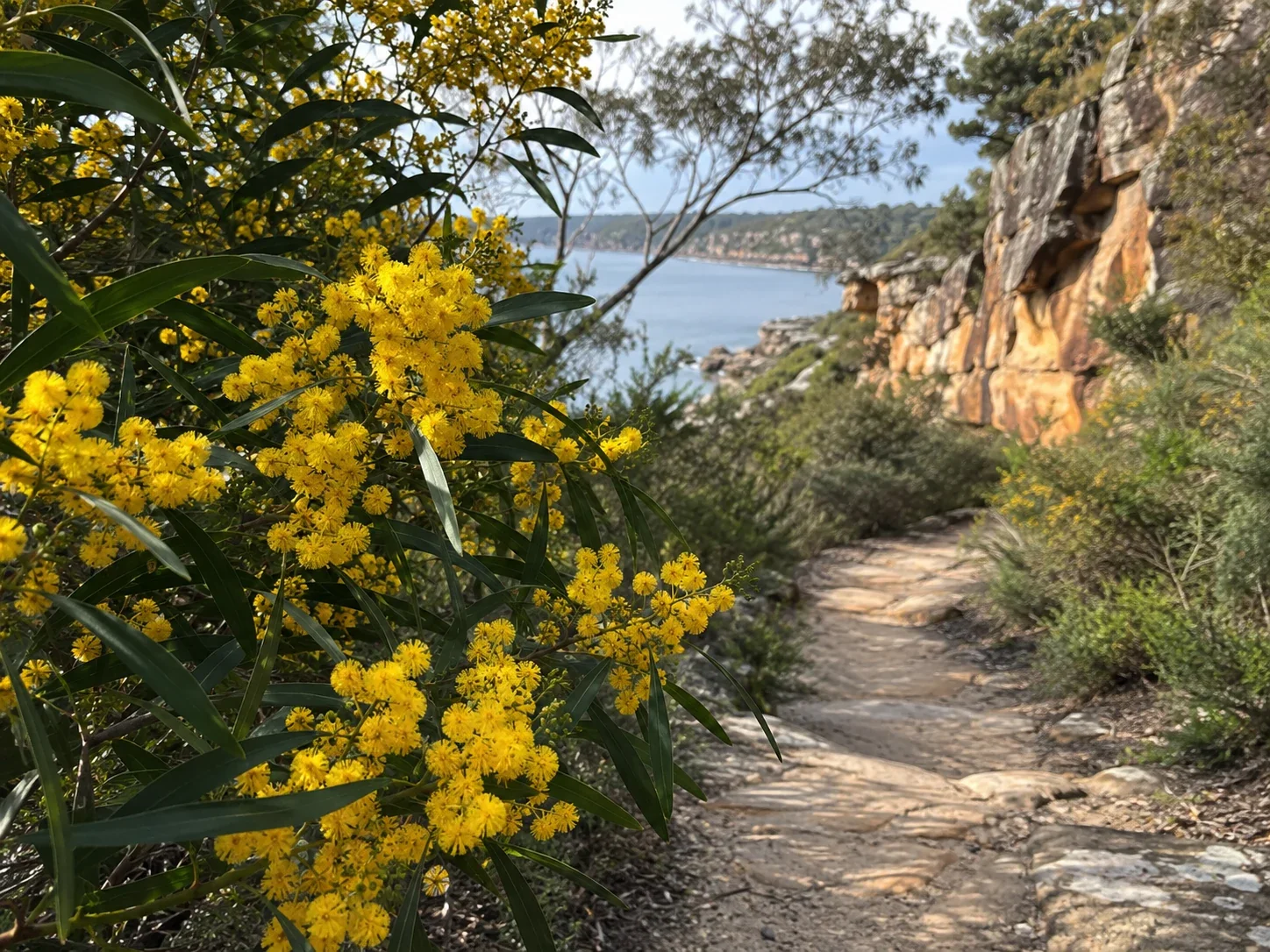
A seasonal indicator is a natural sign that helps show when a season is changing.
In Aboriginal culture, these indicators are not random observations. They are part of long-standing knowledge systems built through close attention to Country over many generations.
Plant Flowering
Plants are among the clearest seasonal signs. A flower opening, fruit ripening or seed appearing can show that other changes are happening.
In the Sydney region, examples include wattles, lilly pillies, Waratahs, Dianella and other native plants. Their flowering or fruiting can be linked with food availability, animal movement, weather shifts or cultural activity.
The flowering of Sydney Golden Wattle is one strong local example. For Gadigal people, the flowering of Sydney Golden Wattle has been shared as a seasonal indicator connected with fishing for sea mullet. This shows how plant life, harbour life and food knowledge can be connected.
Animal Behaviour
Animals also show seasonal change.
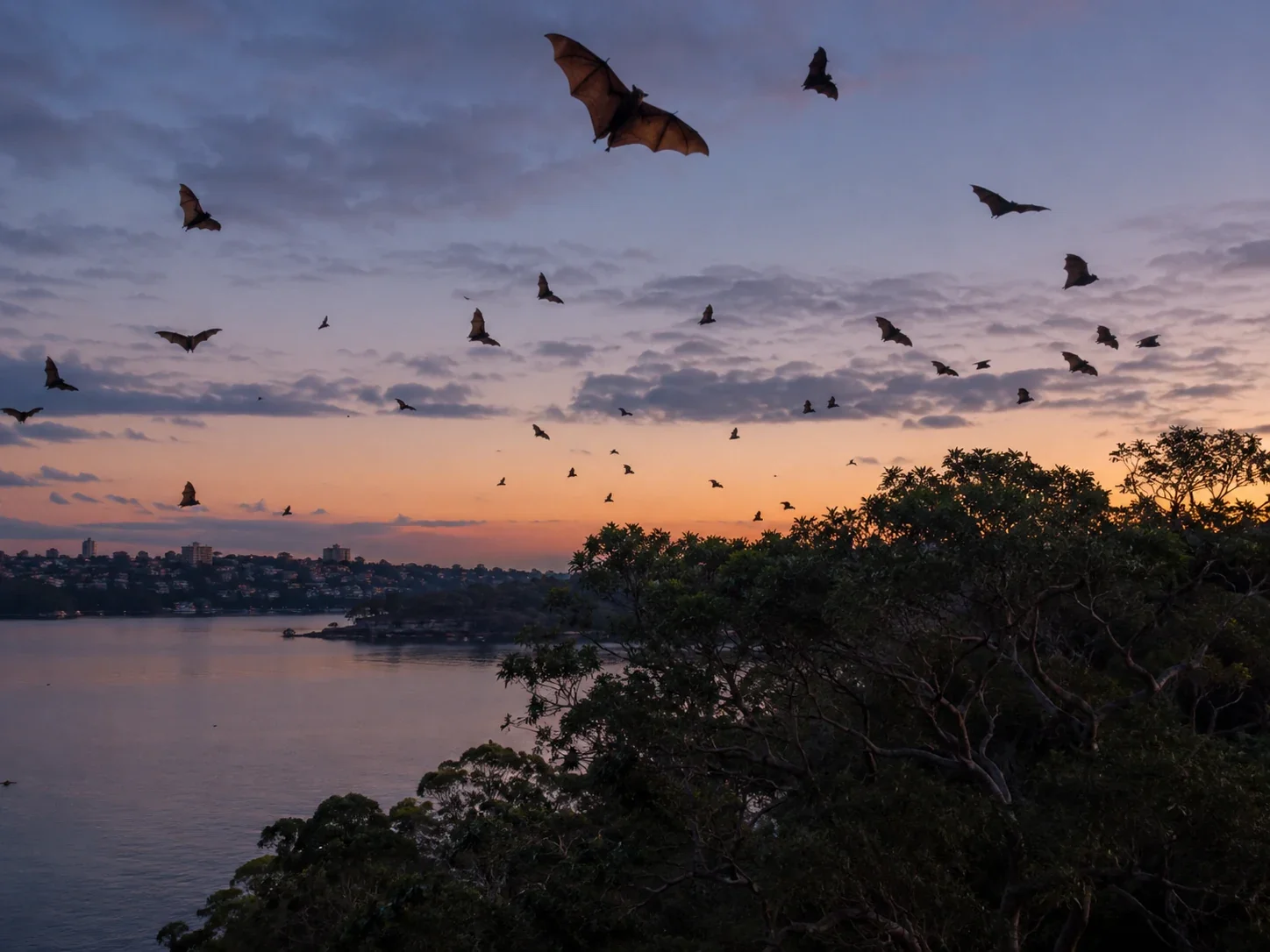
Bird calls, reptile movement, eel migration, flying fox gatherings and animal mating behaviour can all act as signs. These signs help show when weather is changing, when certain foods are available or when particular activities should begin or stop.
In public D’harawal seasonal knowledge, examples include quoll calls, echidna mating, lyrebird activity, flying fox gatherings, kangaroo behaviour and eel movement.
Weather, Wind and Rain
Aboriginal seasonal systems also pay close attention to heat, wind, rain, frost, storms and cloud patterns.
This matters because seasonal change is not always neat. A calendar may say one season has begun, but Country may show something else. Winds may shift early. Rain may arrive late. A plant may flower differently after a dry year.
The seasonal pattern is read through relationship, not fixed dates alone.
Waterways and Coastlines
In Sydney, water is central.
Harbour, ocean, creeks, rivers, bays and estuaries all hold seasonal signs. Eels moving towards the ocean, fish appearing in bays, sea mullet travelling through waterways and changing coastal winds all show how water Country moves through the year.
This is one reason places such as La Perouse, Botany Bay, Sydney Harbour and coastal headlands are so important for seasonal learning. On a La Perouse Aboriginal walking tour, coastal Country, plants, water and story sit together rather than being treated as separate topics.
Dharug Seasonal Knowledge: Six Seasons Told Through Country
The Gabrugal Yana walk shares a public example of six Dharug seasons. These seasons are connected with weather, language, plants, animals and cultural memory.
They are not simply labels for different temperatures. They show how Country changes through living signs.
| Dharug Season | Approximate Timing | Seasonal Pattern | Seasonal Signs |
|---|---|---|---|
| Bunul Marray | January to February | Warm and wet | Blue tongue lizard activity and new life |
| Yuruga Burra | March to April | Hot and thirsty | Eel migration from rivers to the ocean |
| Bayin Dyarra | May to June | Wet and cooler | Cultural burning and caring for Country |
| Dagara | July to August | Cold and frosty | Black cockatoo calls signalling rain |
| Dugara Guwara | September to October | Cold and windy | Diamond python waking and seeking a mate |
| Bayin Gura | November to December | Cool, getting warmer | Dianella flowering and plant use |
This seasonal framework shows how close observation supports living with Country. It connects heat, rain, animals, plant use, fire, movement and story.
It also shows why Aboriginal seasons cannot be reduced to weather alone. They are ecological, cultural and practical at the same time.
D’harawal Seasonal Calendar: A Sydney-Region Example
The D’harawal calendar is another important public example from the Sydney region.
D’harawal Country and language area extends across parts of the Sydney basin and surrounding landscapes. The public D’harawal seasonal calendar describes six seasons, each linked with signs in Country.
| D’harawal Season | Timing | Seasonal Pattern | Key Indicators |
|---|---|---|---|
| Time of Burran | January to March | Hot and dry | Kangaroo behaviour, Weetjellan blooming, storms and fire warnings |
| Time of Marrai’gang | April to June | Wet becoming cooler | Quoll calls, lilly pilly ripening and movement towards the coast |
| Time of Burrugin | June to late July | Cold, frosty, short days | Echidna mating, Forest Red Gum flowering and shellfish restrictions |
| Time of Wiritjiribin | August | Cold and windy | Lyrebird activity, wattle flowering, fish in rivers and gentle rain |
| Time of Ngoonungi | September to October | Cool, getting warmer | Flying fox gatherings, Waratah flowering and ceremonial time |
| Time of Parra’dowee | November to December | Warm and wet | Eel movement, Coast Myall blooming and fish in bays and estuaries |
The D’harawal calendar shows how seasonal knowledge links many parts of Country. A flower can signal fish. A fruit can signal movement. Animal behaviour can signal food restrictions, ceremony or changing weather.
This is a very different way of understanding time. The season is not only what the air feels like. It is what Country is doing.
A Sydney Example: Golden Wattle and Sea Mullet
One of the clearest Sydney examples is the relationship between Sydney Golden Wattle and sea mullet.
For Gadigal people, the flowering of Sydney Golden Wattle has been shared as a sign connected with the season for fishing sea mullet. This is a strong example of how Aboriginal seasonal knowledge works.
A plant flowers on land. Fish move through water. People read the sign and know what is happening in the harbour environment.
This is not guesswork. It is careful observation of Country over time.
It also shows sustainability. Seasonal knowledge helps people understand when resources are ready and when they should be left alone. It supports food gathering, movement and care for future cycles.
How Country Changes Through the Year in Sydney
Sydney’s seasonal changes can be subtle. Some visitors may notice the obvious signs, such as heat, rain, wind or flowering plants. Aboriginal seasonal knowledge asks people to look more closely.
| Time of Year | What Country May Show |
|---|---|
| January to March | Heat, storms, active reptiles, dry bushland, changing waterways and fire caution |
| April to June | Cooler air, ripening fruits, animal calls, wetter conditions and movement towards coastal resources |
| June to August | Cold mornings, wind, short days, flowering gums and wattles, and animal mating signs |
| September to October | Waratah flowering, flying foxes, warming weather, ceremony and renewal |
| November to December | Eel movement, warmer rain, stable weather, estuary changes and summer heat returning |
Not every sign appears in the same way each year. Rainfall, temperature, urban change and climate conditions can affect timing. This is why seasonal knowledge is active. It asks people to keep observing.
A calendar can guide you, but Country gives the lesson.
What Visitors Can Learn on Country
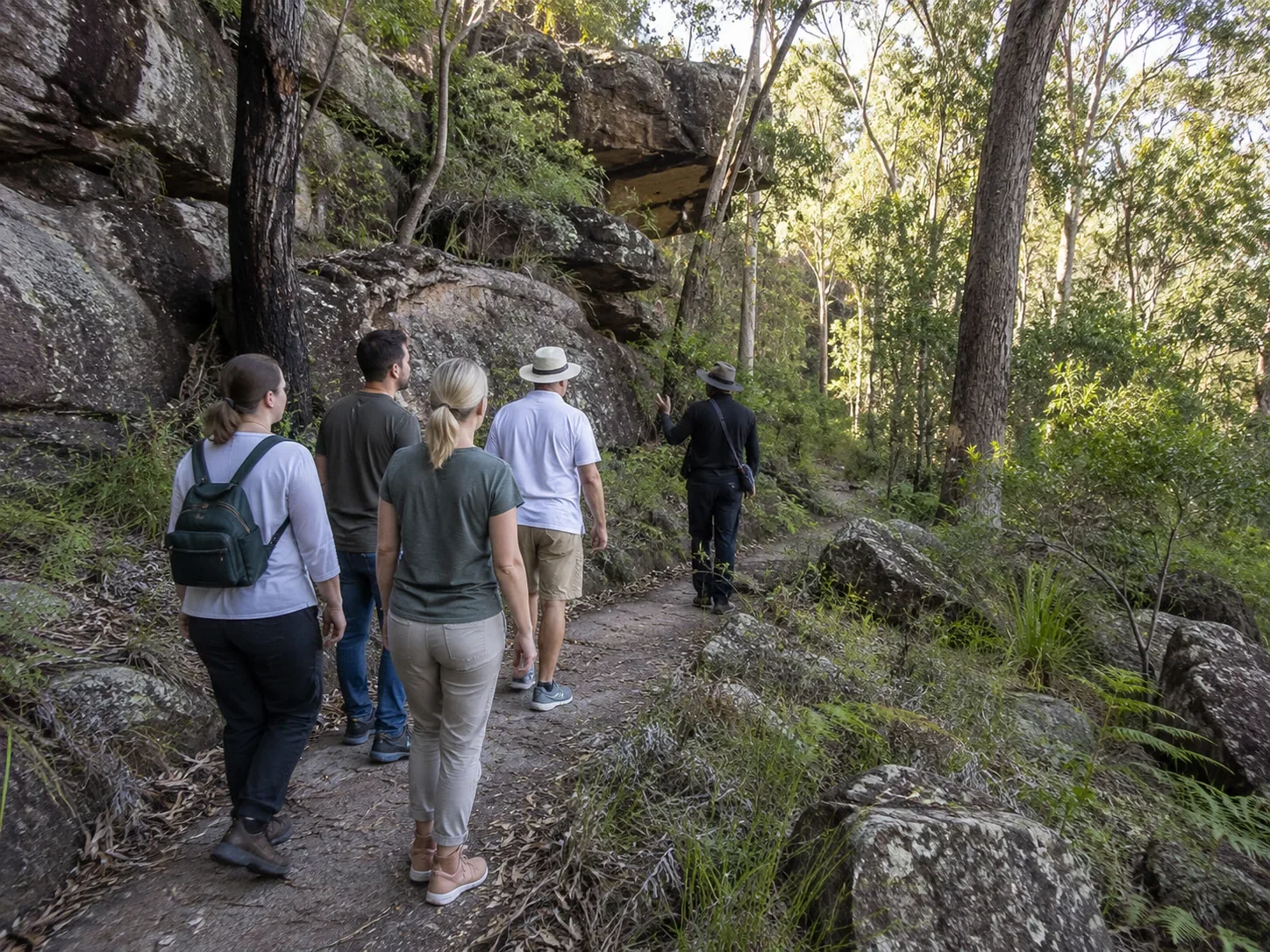
Visitors often come to Sydney expecting beaches, harbour views and national parks. Aboriginal seasonal knowledge adds another layer.
It helps visitors understand that Country is not just scenery. It is living, storied and changing.
On a guided walk, visitors may learn how to notice:
Native plants: what is flowering, fruiting or used for cultural purposes.
Stone and landform: how sandstone Country shapes movement, shelter and story.
Water: how creeks, bays, estuaries and ocean Country hold seasonal signs.
Animals: how birds, reptiles, fish and flying foxes signal change.
Cultural places: why respect matters around engravings, middens, shelters and ceremonial places.
Seasonal movement: how people, food, weather and Country are connected.
A Ku-ring-gai Chase Aboriginal tour is especially relevant for visitors interested in sandstone Country, rock engravings, bushland and cultural stories. The landscape itself helps show how Aboriginal knowledge is connected to place.
For visitors comparing outdoor learning experiences, Sydney’s cultural nature experiences are strongest when they connect ecology with culture rather than treating nature as separate from people.
Why Aboriginal Seasonal Knowledge Still Matters Today
Aboriginal seasonal knowledge is not only about the past.
It continues through teaching, language, observation, cultural practice and care for Country. It also offers a deeper way to understand sustainability.
Seasonal knowledge can show:
When foods are available: Plants, animals and water systems each have cycles.
When foods should be avoided: Some restrictions protect health or allow species to reproduce.
When Country needs care: Fire, water, plants and animal lifecycles are connected.
When people gather: Seasons can connect with ceremony, teaching and community.
How to live with change: Observation helps people respond to Country as conditions shift.
This matters in modern Sydney because many people move through Country quickly. They drive past bushland, walk coastal tracks, visit beaches and enter national parks without noticing the signs around them.
Aboriginal seasonal knowledge invites people to slow down.
It teaches that Country is not passive. Country is active.
Aboriginal Seasons, Ceremony and Respect
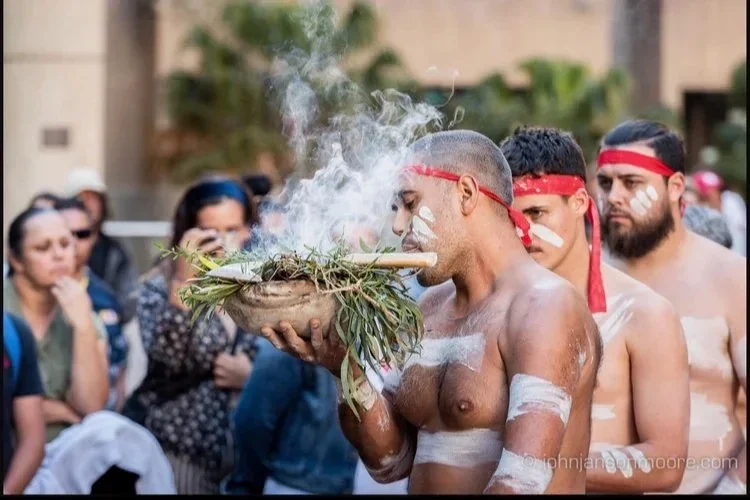
Some seasonal periods are connected with ceremony, gathering and cultural practice. This should be approached with care.
Not all knowledge is public. Not all stories are for every audience. Some knowledge belongs to specific families, Elders, communities or places.
Visitors should avoid treating Aboriginal seasons as trivia or a simple checklist of names. The more respectful approach is to see seasonal calendars as an invitation to learn with humility.
That means:
staying on marked paths where required
not touching engravings or cultural sites
not taking plants, shells, stones or artefacts
listening to Aboriginal guides and knowledge holders
understanding that some questions may not be answered
recognising that Country has protocols
For groups, workplaces and organisations, a private Aboriginal cultural tour can allow more time for guided learning, questions and deeper connection with place.
Where ceremony is part of a program, a Smoking Ceremony and Welcome to Country should be understood as cultural practice, not a performance added to an event.
How Aboriginal Seasons Connect With Sydney’s Coast
Sydney’s coast is one of the clearest places to notice seasonal movement.
Winds shift. Plants flower. Whales migrate. Fish move through bays and estuaries. Eels make their way towards the ocean. Coastal tracks change with heat, rain and salt air.
For many visitors, whale migration is the seasonal sign they recognise most easily. But Aboriginal seasonal knowledge asks people to notice more than one species or one event. It asks people to see the relationships between land, sea, sky, animals and people.
This makes coastal Country a powerful place to learn. A whale moving along the coast, a wattle in flower, a change in wind and the shape of the sandstone are all part of the same living landscape.
Visitors interested in seasonal migration may also find Sydney’s whale watching season a helpful way to understand how coastal Country changes through the year.
How to Learn About Aboriginal Seasons Respectfully
The best way to learn about Aboriginal seasons is through respectful, guided learning on Country.
Books, websites and public calendars can help introduce the idea. But they cannot replace the experience of walking with Aboriginal guides, listening in place and seeing what Country is showing on the day.
When learning about Aboriginal seasons in Sydney:
Be specific: Ask which Country, language group or seasonal framework is being discussed.
Avoid generalising: Do not assume one calendar applies to all Aboriginal people.
Respect knowledge boundaries: Some knowledge is public, and some is not.
Learn in place: Seasonal knowledge makes most sense on Country.
Pay attention: Small signs often matter more than obvious ones.
Support Aboriginal-led learning: Choose experiences led by Aboriginal guides and cultural educators.
This approach helps visitors move beyond surface-level learning. It also supports cultural continuity and respectful tourism.
Quick Summary: Aboriginal Seasons in Sydney
Aboriginal seasons in Sydney are read through Country. They are not simply fixed calendar periods like summer, autumn, winter and spring.
They can be understood through:
plant flowering
animal behaviour
weather and wind
waterways and coastlines
food availability
ceremony and gathering
sky and seasonal patterns
cultural knowledge held by Traditional Custodians
Dharug and D’harawal seasonal knowledge both show how Country changes through the year. Their public seasonal examples include signs such as blue tongue lizard activity, eel migration, black cockatoo calls, lilly pilly ripening, echidna mating, flying fox gatherings and Waratah flowering.
The main lesson is simple: Country tells time through relationships.
What Country Teaches Through the Seasons
Aboriginal seasons in Sydney show that time is not only measured by dates. It is seen in flowers, heard in bird calls, felt in wind, watched in water and understood through Country.
Dharug, D’harawal and other Sydney-region knowledge systems remind us that seasonal change is relational. Plants, animals, people, water, weather, ceremony and story are connected.
For visitors, the lesson is not just to memorise season names. It is to slow down, listen carefully and understand that Country is always speaking.
FAQs
1. How many Aboriginal seasons are there in Sydney?
There is no single number for all of Sydney. Some public Sydney-region examples describe six seasons, such as Dharug and D’harawal seasonal frameworks. Other Aboriginal seasonal knowledge systems may describe the year differently depending on Country, language, ecology and cultural interpretation.
2. Are Aboriginal seasons the same as summer, autumn, winter and spring?
No. Aboriginal seasons are not simply the same as the western four-season calendar. They are based on signs in Country, including plants, animals, weather, wind, water, food, sky and cultural practice.
3. What are seasonal indicators in Aboriginal culture?
Seasonal indicators are signs in the natural world that show seasonal change. They can include a plant flowering, a bird calling, an animal breeding, a wind changing, a waterway shifting or a food becoming ready.
4. What are the Dharug seasons?
A public Dharug seasonal framework shared through Gabrugal Yana includes Bunul Marray, Yuruga Burra, Bayin Dyarra, Dagara, Dugara Guwara and Bayin Gura. These seasons are connected with weather, plants, animals, cultural burning, language and Country.
5. What are the D’harawal seasons?
The public D’harawal seasonal calendar includes the Time of Burran, Time of Marrai’gang, Time of Burrugin, Time of Wiritjiribin, Time of Ngoonungi and Time of Parra’dowee. These seasons include indicators such as kangaroo behaviour, lilly pilly ripening, echidna mating, lyrebird activity, flying fox gatherings and eel movement.
6. Why do Aboriginal seasons vary across Australia?
Aboriginal seasons vary because Country varies. Climate, plants, animals, water systems, language and cultural knowledge differ from place to place. A desert seasonal calendar, a coastal Sydney seasonal calendar and a tropical northern calendar will not describe the year in the same way.
7. Can visitors learn about Aboriginal seasons on a Sydney tour?
Yes. Visitors can learn about Aboriginal seasons through respectful, guided experiences on Country. A guided tour helps people notice plants, animals, water, sandstone, weather and cultural places in context rather than learning them as isolated facts.
8. Why is Aboriginal seasonal knowledge important today?
Aboriginal seasonal knowledge continues to teach care for Country, sustainable use of resources, respect for animal lifecycles, cultural continuity and deeper observation of place. It helps people understand Sydney as living Country, not just a city landscape.
