
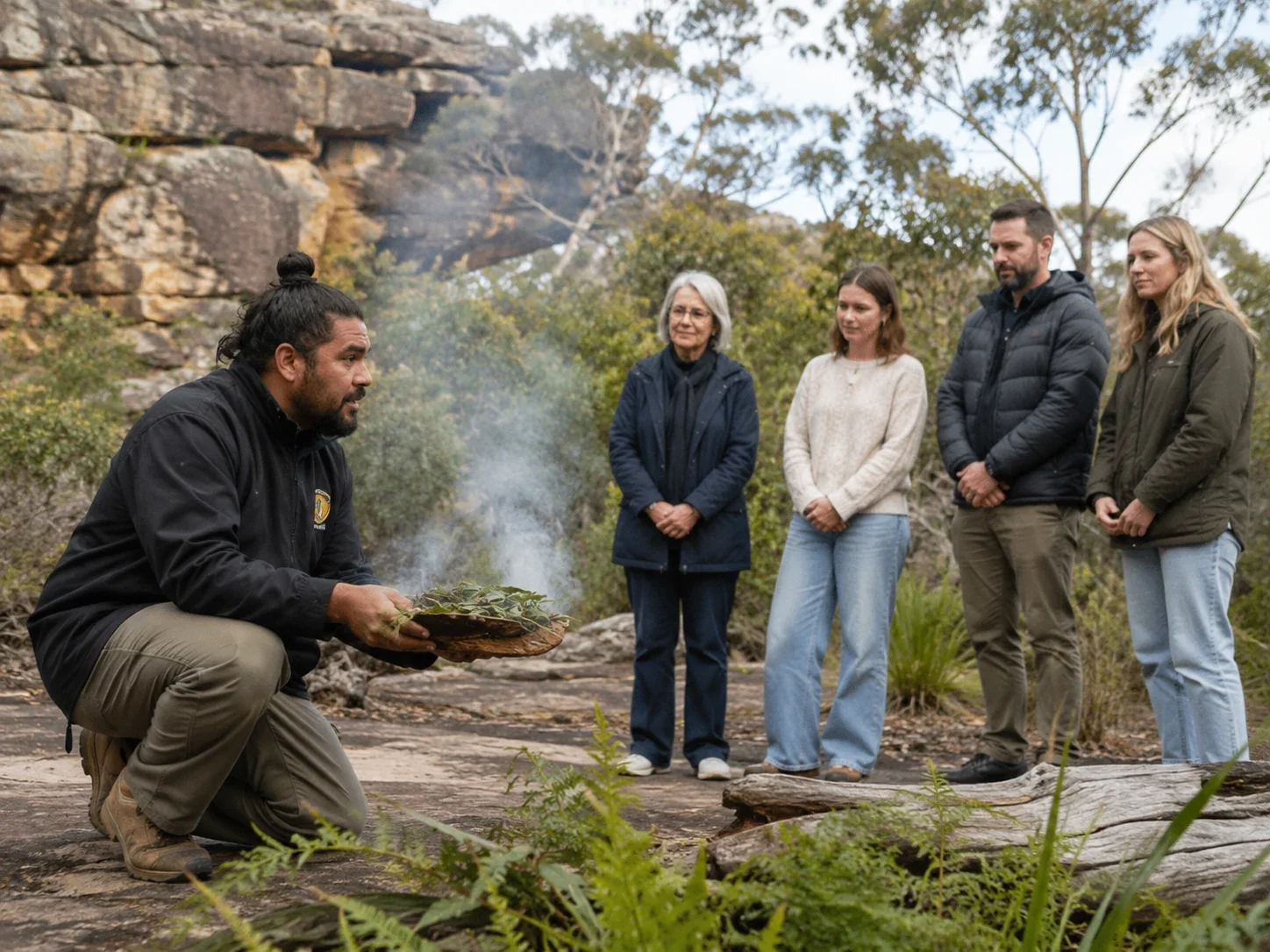
An Aboriginal smoking ceremony is a cultural practice where smoke from native plants is used to cleanse, welcome and prepare people to come onto Country respectfully. It is often part of a Welcome to Country, public event, workplace gathering, school experience or important community moment.
Smoking ceremonies are not the same everywhere. Practices vary between Nations, communities and Country, so this article explains the meaning in general terms rather than speaking for all Aboriginal peoples.
What is an Aboriginal smoking ceremony?
An Aboriginal smoking ceremony is a cultural ceremony where native plants are smouldered to create smoke that carries meaning for cleansing, welcome, healing and connection to Country.
The ceremony is led by Aboriginal people with the right cultural authority. In a contemporary event setting, it may welcome guests, open a gathering, mark an important moment or prepare a group to walk on Country in good spirit.
The smoke is not simply a visual symbol. It is part of a living cultural protocol. For many people, passing through or being near the smoke is a way of arriving with respect, leaving behind what should not be carried forward, and acknowledging the Country they are standing on.
For visitors who want to understand Aboriginal culture through lived experience rather than from a distance, a smoking ceremony can be one part of a wider Aboriginal cultural tour, where learning happens through walking, listening, ceremony and connection to place.
What is the meaning and cultural significance of a smoking ceremony?
The meaning of a smoking ceremony is connected to cleansing, protection, welcome, wellbeing and relationship with Country. It is a way of preparing people, place and spirit for what is about to happen.
At its heart, a smoking ceremony reminds people that Country is not just land. Country holds ancestors, stories, responsibilities, plants, animals, waterways, language and community. When a group is welcomed through smoke, they are being invited to enter that relationship with respect.
Common meanings include:
Cleansing: Smoke is often understood as helping clear negative energy, bad feelings or what should not be carried into a place or gathering.
Welcome: The ceremony can welcome visitors onto Country and set the tone for respectful presence.
Protection and wellbeing: Smoking ceremonies are often connected with healing, safety and care for the people gathered.
Connection to Country: The smoke comes from plants of the land, linking people back to place, community and cultural continuity.
Respect for ancestors: The ceremony acknowledges the people who have cared for Country across generations and those who continue that responsibility today.
The specific meaning depends on the people, place and purpose of the ceremony. That is why it matters that smoking ceremonies are led by the right people, not copied or treated as a performance.
What is the purpose of a smoking ceremony?
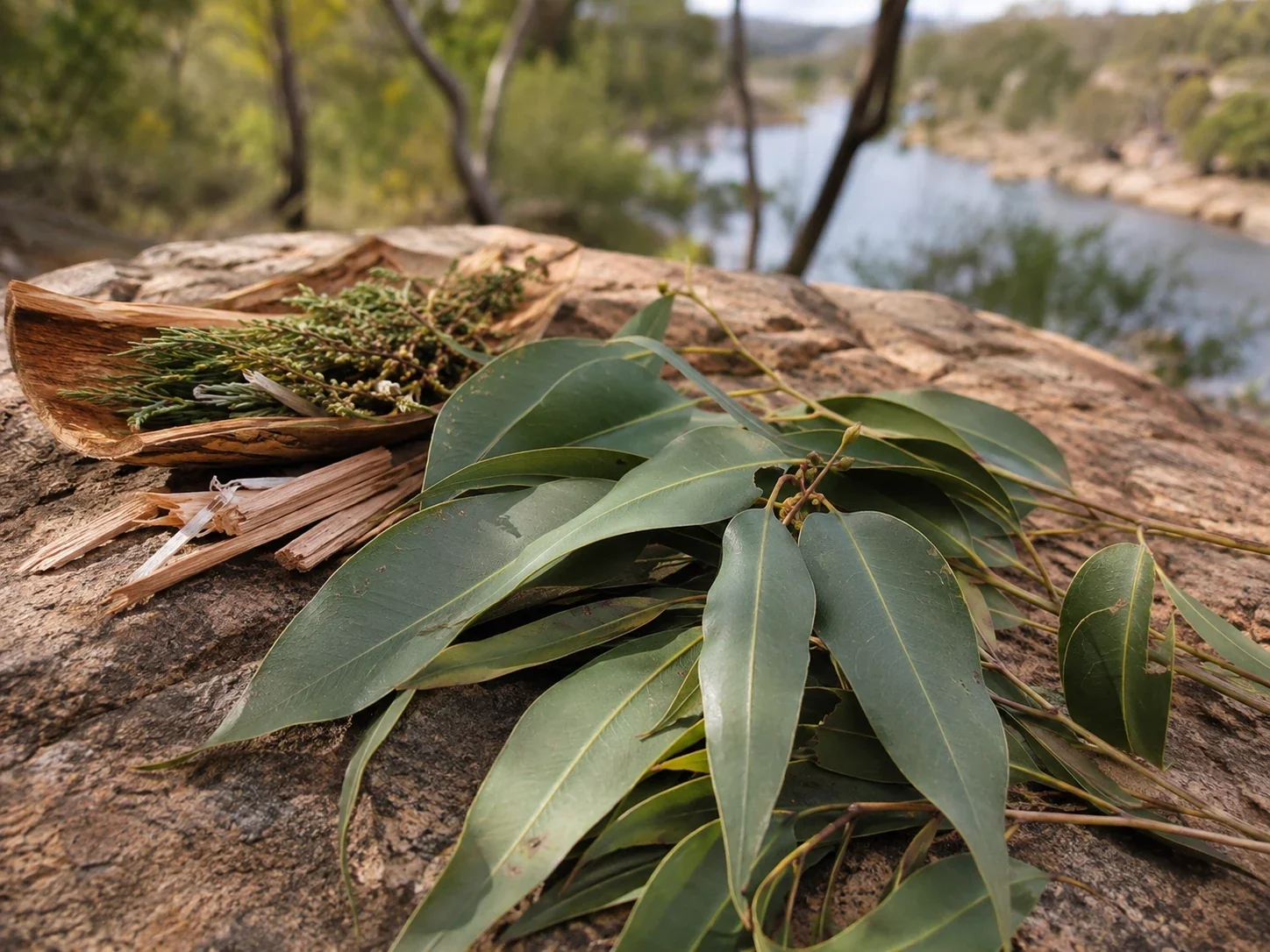
The purpose of a smoking ceremony is to cleanse, welcome and prepare people or a place for an important gathering, transition or moment on Country.
Smoking ceremonies may be held to:
Open an event: A ceremony can begin a conference, community gathering, workplace session, school day or public occasion with cultural respect.
Welcome visitors: It can help visitors enter Country in a good way, especially when paired with a Welcome to Country.
Prepare a space: Smoke may be used to cleanse a place before people come together.
Mark a transition: Ceremonies can recognise new beginnings, endings, milestones or moments of change.
Support healing: Smoking ceremonies are often connected with care, reflection and wellbeing.
Bring people together: The ceremony can create a shared pause before learning, discussion or ceremony continues.
In modern settings, smoking ceremonies are often included at corporate events, school programs, public gatherings, Reconciliation events, NAIDOC Week activities and community occasions. For teams and organisations, they can also form part of a deeper corporate cultural experience that connects leadership, responsibility and Country.
What happens during a smoking ceremony?
During a smoking ceremony, an Aboriginal cultural leader or authorised person prepares the smoking materials, creates smoke from native plants, and guides people through the ceremony in a way that suits the Country, group and occasion.
In general terms, a smoking ceremony may include:
A cultural opening: The person leading the ceremony explains the purpose of the gathering and the meaning of the welcome.
Native plants are smouldered: Leaves or other plant materials are used to create smoke.
People or place are welcomed through smoke: Guests may be invited to pass through, stand near or be moved through the smoke, depending on the ceremony.
Words are shared: The ceremony may include spoken welcome, cultural explanation, story or reflection.
The gathering continues: The group may move into a Welcome to Country, walk on Country, event opening, school session or workplace program.
This should not be read as a step-by-step guide. The details are led by the person with cultural authority and may change depending on Country, community, purpose and protocol.
For example, Natcha’s Smoking Ceremony and Welcome to Country experience is led by a First Nations guide and can be brought to groups across Sydney. It is designed to help people understand where the ceremony comes from, what it is for and why it continues to hold meaning today.
What plants are used in a smoking ceremony?
Native plants are used in a smoking ceremony, but the specific plants vary by Country, community and cultural protocol.
Some public descriptions mention eucalyptus leaves, and some ceremonies use local leaves or plant materials selected by the person leading the ceremony. It is better not to treat this as a fixed list. The plants are not just “materials.” They come from Country and are chosen within cultural context.
If you are attending or booking a smoking ceremony, you do not need to bring plants or prepare anything yourself. The person leading the ceremony will decide what is appropriate.
Who can perform a smoking ceremony?
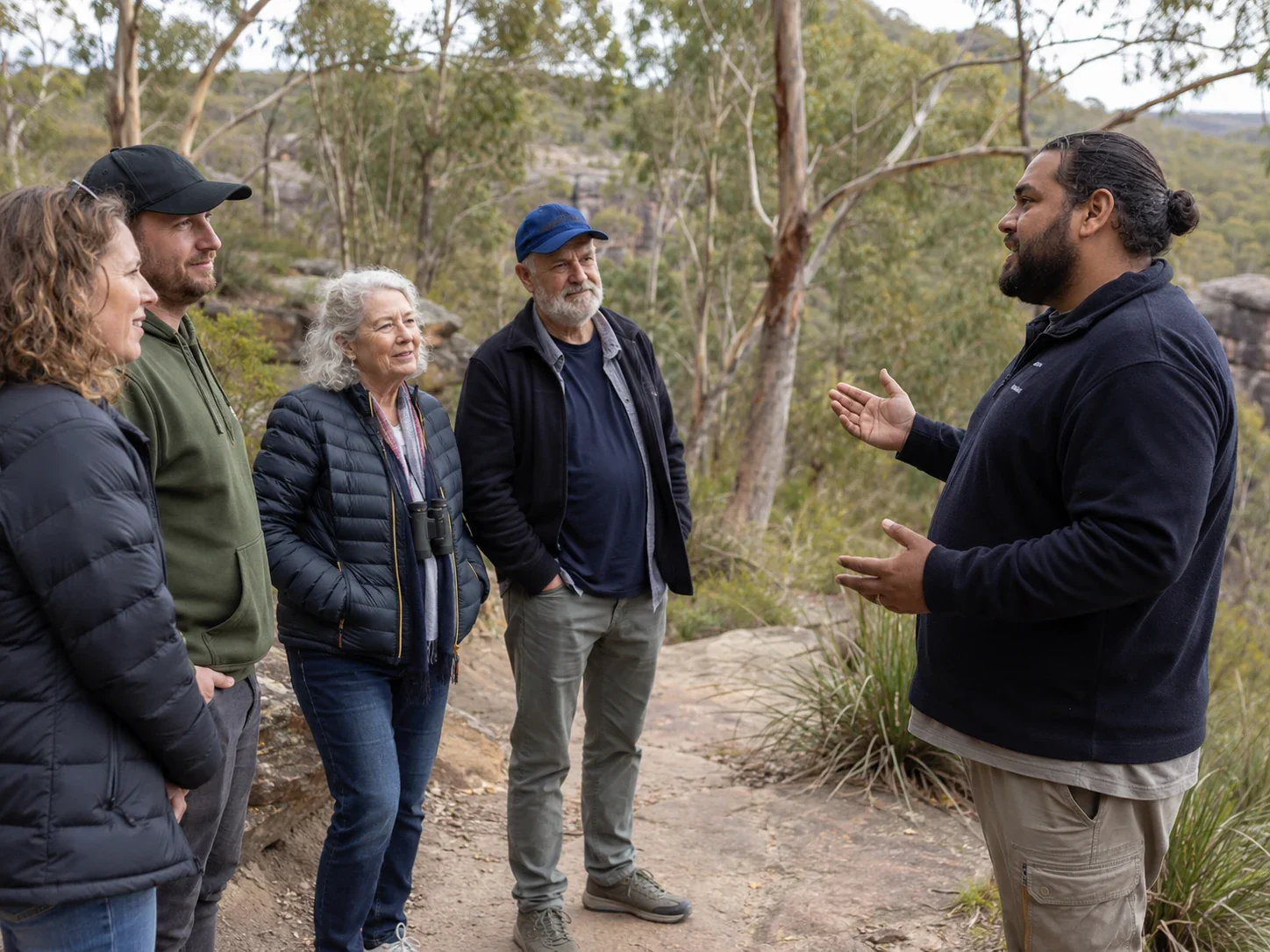
A smoking ceremony should be performed by Aboriginal people with the cultural authority to do so. This may be a Traditional Custodian, Elder, recognised community member or Aboriginal cultural leader connected to the Country or ceremony context.
This matters because smoking ceremonies are cultural protocols, not activities that can be copied from a description. Authority sits with the people who carry the knowledge, responsibility and relationship to Country.
AIATSIS explains that only Traditional Owners can speak for and welcome visitors to Country, or give others authority to do so. Reconciliation Australia also notes that a Welcome to Country is delivered by Traditional Owners and can include speech, song, dance or smoking ceremony.
That is why organisers should not attempt to create their own version. If a workplace, school or event wants a smoking ceremony, the respectful path is to arrange it through the right Aboriginal people.
Smoking ceremony, Welcome to Country and Acknowledgement of Country: what is the difference?
A smoking ceremony, Welcome to Country and Acknowledgement of Country are related cultural protocols, but they are not the same thing.
| Protocol | What It Is | Who Delivers It | When It Is Used |
|---|---|---|---|
| Smoking Ceremony | A cultural ceremony using smoke from native plants for cleansing, welcome, healing or preparation. | Aboriginal people with the right cultural authority. | Events, gatherings, cultural tours, school programs, workplace sessions and important transitions. |
| Welcome to Country | A formal welcome onto the land of Traditional Owners. It may include speech, song, dance or smoking ceremony. | Traditional Owners or people authorised by Traditional Owners. | Formal events, conferences, civic occasions, school events and public gatherings. |
| Acknowledgement of Country | A statement of respect for Traditional Owners and their continuing connection to Country. | Anyone can give one, Aboriginal or non-Aboriginal. | Meetings, presentations, events, school assemblies, websites and public communications. |
The main difference is authority. A Welcome to Country is given by Traditional Owners or someone authorised by them. An Acknowledgement of Country can be offered by anyone as a sign of respect.
A smoking ceremony can stand on its own, or it can be part of a Welcome to Country. For organisers, the safest approach is to ask the Aboriginal person or organisation leading the ceremony what is appropriate for the event.
When are smoking ceremonies held?
Smoking ceremonies are held at important moments where welcome, cleansing, reflection or cultural protocol is needed.
Common occasions include:
Public events: Festivals, openings, civic gatherings and community events.
Corporate gatherings: Conferences, leadership days, workplace cultural learning and Reconciliation events.
School and education programs: Cultural learning days, excursions, teacher development and student events.
NAIDOC Week and Reconciliation Week: Gatherings that recognise Aboriginal and Torres Strait Islander cultures, histories and ongoing connection to Country.
New beginnings: Launches, openings, new sites, major transitions or moments of change.
Private and community gatherings: Smaller occasions where people want to begin with respect.
For schools, smoking ceremonies may be part of a broader on-Country learning experience. Teachers planning cultural learning can also read about Aboriginal school excursions in Sydney, especially if the ceremony is connected to a curriculum day or student program.
For private groups, a ceremony may also sit alongside a tailored cultural experience, where the structure, focus and location are shaped around the group.
What to know if you are invited to or attending a smoking ceremony
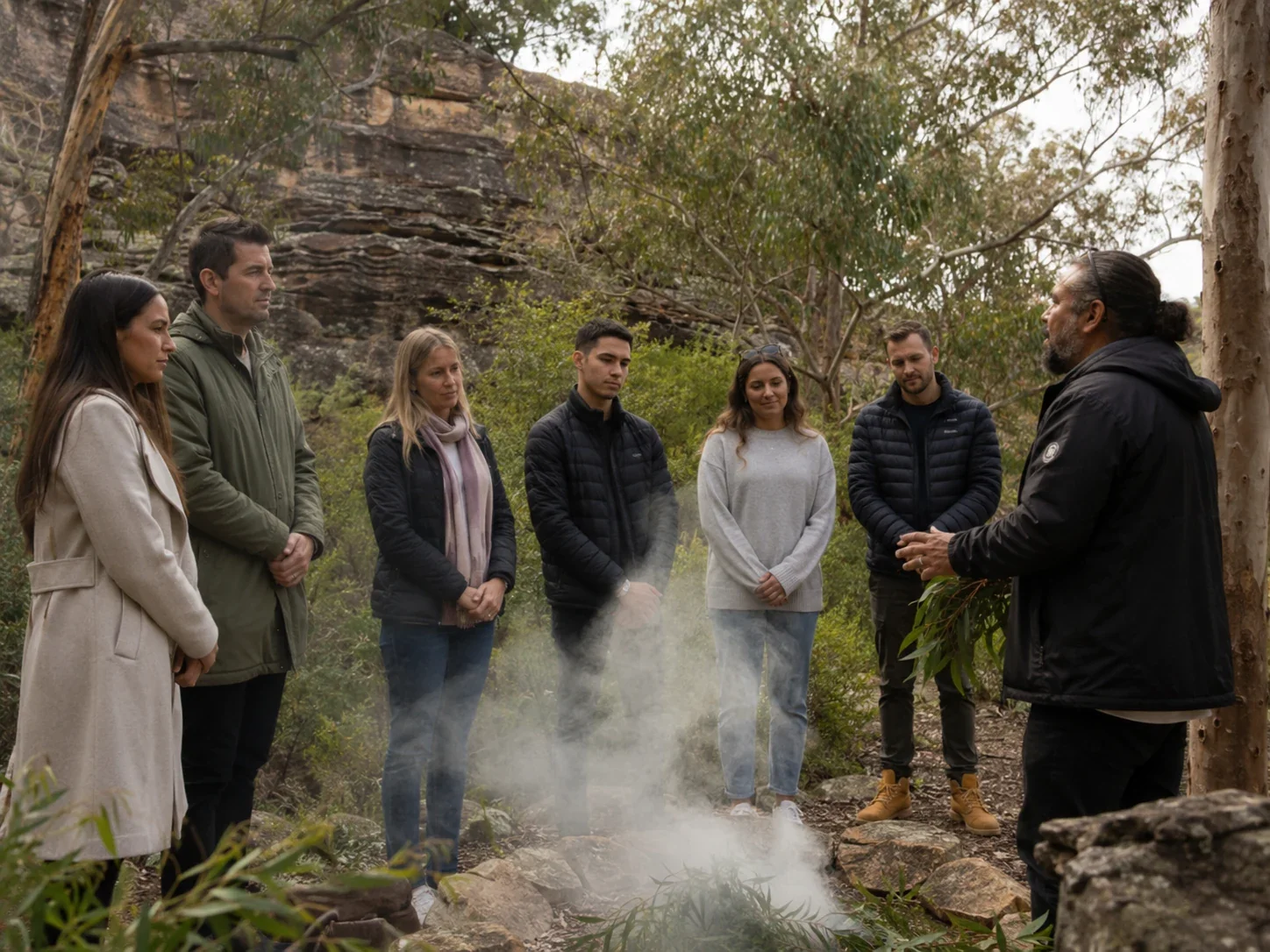
If you are invited to a smoking ceremony, the best thing you can do is arrive respectfully, listen carefully and follow the guidance of the person leading it.
A few simple points help:
Follow the lead: The person conducting the ceremony will explain where to stand, when to move and how to participate.
Be present: A smoking ceremony is not a show. It is a cultural welcome and should be treated with respect.
Ask before photographing: Some parts of a ceremony may be suitable to photograph. Others may not be. Always ask first.
Do not touch materials unless invited: Let the person leading the ceremony guide any interaction.
Keep phones and conversations quiet: Give the ceremony your full attention.
Participate if invited: If you are asked to pass through the smoke or stand in a certain place, do so calmly and respectfully.
Avoid making assumptions: Practices vary, and the ceremony you attend may not look the same as one you have seen elsewhere.
Attending a smoking ceremony is a chance to enter a place, event or conversation with more awareness. It asks people to slow down, recognise Country and understand that cultural protocol still has a living place today.
Is it appropriate to book a smoking ceremony?
It is appropriate to book a smoking ceremony when it is arranged through the right Aboriginal people, held for a respectful purpose and treated as cultural protocol rather than entertainment.
A smoking ceremony can be meaningful for a workplace, school, council, community group or private event when the organiser understands why it is being included. It should not be added as a token gesture. It should open space for respect, listening and connection.
Before booking, consider:
Purpose: Why are you including the ceremony?
People: Who has the authority to lead it?
Place: What Country is the event being held on?
Context: Will guests understand how to behave respectfully?
Follow-through: Does the event continue the respect shown at the opening?
For workplaces, this may connect to cultural learning, Reconciliation Action Plan work, leadership development or community engagement. For schools, it may support a broader learning program rather than sit as a one-off moment.
Booking a smoking ceremony or Welcome to Country in Sydney
Natcha Cultural Tours offers Smoking Ceremony and Welcome to Country experiences in Sydney, led by a First Nations guide and available for groups across the city.
The experience can suit corporate events, team days, conferences, school groups, community gatherings and private occasions. It is designed as a cultural opening, not entertainment. Guests are welcomed into the meaning of the ceremony, the purpose behind it and the responsibility of coming together on Country.
For workplaces planning a deeper day of learning, Natcha’s corporate cultural experiences can combine ceremony with on-Country storytelling, leadership reflection and group connection. For smaller or more tailored groups, private Aboriginal cultural tours can be shaped around your goals, location and timing.
If you are unsure what format is right, you can contact Natcha Cultural Tours with your event type, group size, date and location.
Conclusion
An Aboriginal smoking ceremony is a living cultural protocol with meaning far beyond the smoke itself. It can cleanse, welcome, protect, heal and prepare people to gather on Country with respect.
For visitors, students and event guests, it is a powerful way to understand that Country is not just a backdrop. It is living, held in relationship, and still cared for by Aboriginal people today.
For organisers, the responsibility is simple: arrange the ceremony through the right people, treat it with respect and give guests the context they need to participate properly.
Frequently asked questions
1. What is the meaning of a smoking ceremony?
A smoking ceremony is a cultural practice where smoke from native plants is used for cleansing, welcome, protection and connection to Country. Its meaning can vary between Nations and communities, but it is generally connected with preparing people and place for an important gathering or moment.
2. What is the purpose of an Aboriginal smoking ceremony?
The purpose of an Aboriginal smoking ceremony is to cleanse, welcome and prepare people or a place. It may open an event, welcome visitors to Country, support healing, mark a transition or create a respectful beginning for a gathering.
3. What plants are used in a smoking ceremony?
Native plants are used in smoking ceremonies, but the specific plants vary by region, Country and cultural protocol. The person leading the ceremony chooses what is appropriate, so guests and organisers should not try to prepare the plants themselves.
4. Who can perform a smoking ceremony?
A smoking ceremony should be performed by Aboriginal people with the cultural authority to do so. This may be a Traditional Custodian, Elder, recognised community member or Aboriginal cultural leader connected to the Country or ceremony context.
5. What is the difference between a smoking ceremony and a Welcome to Country?
A smoking ceremony uses smoke from native plants for cleansing, welcome and preparation. A Welcome to Country is a formal welcome onto the land of the Traditional Owners. A smoking ceremony can be part of a Welcome to Country, but they are not the same thing.
6. Can anyone attend a smoking ceremony?
Yes, people can attend a smoking ceremony when they are invited as part of an event, tour, school program or community gathering. Guests should follow the guidance of the person leading the ceremony, listen respectfully and ask before taking photos or recording.
7. Can anyone do an Acknowledgement of Country?
Yes. An Acknowledgement of Country can be given by anyone as a sign of respect for the Traditional Owners and their continuing connection to Country. A Welcome to Country is different because it must be delivered by Traditional Owners or someone authorised by them.
8. How do you arrange a smoking ceremony in Sydney?
To arrange a smoking ceremony in Sydney, contact an Aboriginal-owned operator or the appropriate Traditional Custodians for the place where your event is being held. Natcha Cultural Tours offers Smoking Ceremony and Welcome to Country experiences for events, workplaces, schools and private groups across Sydney.
