
Whale Watching Season in Sydney: When and Where to See Humpback Migration
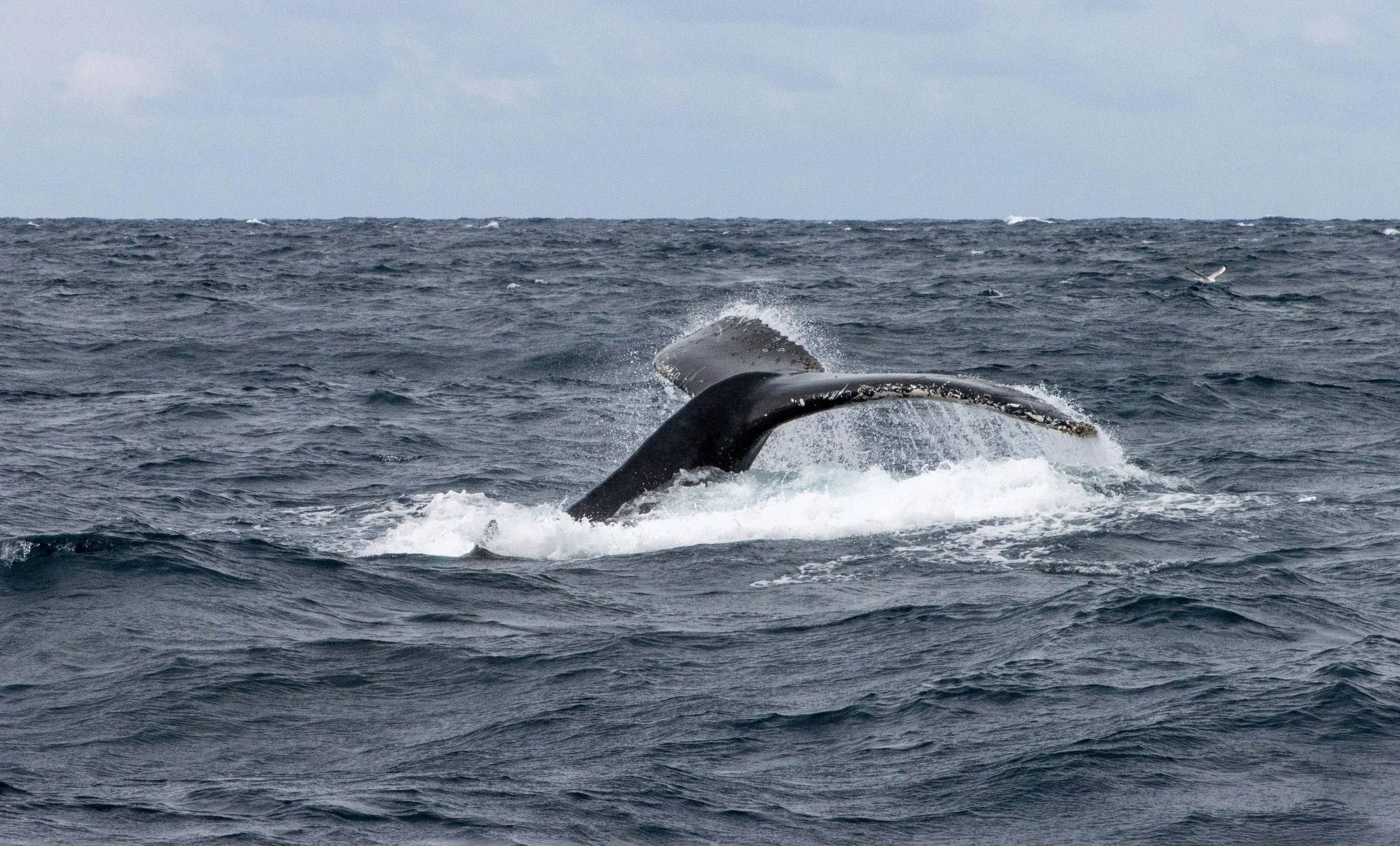
Whale watching season in Sydney brings one of the most remarkable natural movements to the city’s coastline. From May to November, humpback whales travel along the NSW coast, giving locals and visitors the chance to spot them from cliffs, headlands, beaches and guided coastal walks.
The best sightings often happen during peak migration periods, especially when whales move north in the cooler months and return south later in the season.
For visitors who want more than a lookout stop, Sydney’s whale season can also be experienced through Aboriginal story, song and connection to Country. Natcha Cultural Tours’ Bondi Aboriginal Walking Tour offers a guided way to see the coast with deeper cultural meaning.
When Is Whale Watching Season in Sydney?
Whale watching season in Sydney generally runs from May to November, when humpback whales travel along the NSW coast during their annual migration.
The migration happens in two main movements. From May to July, humpback whales travel north from colder southern waters towards warmer breeding areas. Late June into July is often the strongest period for sightings around Sydney, when whale movement is most active.
From August to November, whales begin returning south, often with calves. This later part of the season can be slower at times, but mother and calf pairs may travel closer to the coast as they make their way back towards feeding grounds.
For most visitors, the safest planning window is between late June and October. Sightings are never guaranteed, but choosing the right month, a high coastal viewpoint and clear weather can significantly improve your chances.
Quick Sydney Whale Watching Season Guide
| Period | Migration Stage | What You May See | Best For |
|---|---|---|---|
| May to June | Early northern migration | First humpbacks moving along the NSW coast | Quieter lookouts and early-season sightings |
| Late June to July | Peak northern migration | More frequent activity, blows, breaches and tail slaps | Strong shore-based whale watching |
| August to September | Mid-season movement | A mix of northbound and southbound sightings | Visitors with flexible travel dates |
| September to November | Southern migration | Mothers and calves travelling back south | Longer viewing windows and family sightings |
Late June and July offer the strongest balance of timing, visibility and whale activity. Later in the season, sightings can still be memorable, particularly when whales return south with calves.
Where Can You See Whales in Sydney?
Sydney has several strong whale watching spots, especially along exposed headlands, cliff edges and coastal walking tracks. The best places offer wide ocean views, enough elevation and safe areas where visitors can pause without getting too close to the edge.
Bondi
Bondi is one of Sydney's most accessible whale watching areas, especially for visitors staying near the eastern suburbs. Higher points along the Bondi coastline give you open views across the water during migration season.
The area works well for visitors who want to combine whale watching with a coastal walk. Instead of standing at one lookout, you can move along the cliffs, watch the horizon and experience the coastline from different angles.
For a guided option with cultural context, Natcha Cultural Tours offers theBondi Aboriginal Walking Tour: Burri Burri Whale Experience, which combines whale watching with Aboriginal story, song, smoking welcome and connection to Country.
Cape Solander, Kamay Botany Bay National Park
Cape Solander is one of Sydney's best-known whale watching locations. Its high sandstone cliffs and wide ocean views make it a popular spot during the humpback migration.
This location suits patient watchers because whales can often be spotted moving along the coastline. Bring binoculars, dress warmly and allow enough time to scan the water properly.
North Head
North Head offers broad views over the Pacific Ocean and Sydney Harbour entrance. Its elevated position makes it a strong option during whale watching season, particularly on clear days with calm conditions.
Visitors can combine whale watching with short walks, lookout stops and coastal scenery. It is a good choice for those who want a scenic Sydney experience without travelling far from the city.
South Head and Watsons Bay
South Head and Watsons Bay are practical options for visitors exploring Sydney's eastern coastline. The area offers ocean-facing viewpoints, walking paths and easy access from the city.
Whale sightings here depend on timing and conditions, but the location is convenient and scenic. It also works well as part of a relaxed day trip with coastal views, harbour scenery and nearby food options.
La Perouse and Kamay Botany Bay
La Perouse and the broader Kamay Botany Bay area offer strong coastal views with deep cultural and historical significance. Visitors can watch the ocean from selected viewpoints while recognising the importance of this coastline as part of Aboriginal Country.
This area suits people who want more than a quick photo stop. With the right guided experience, the landscape can be understood through culture, place, history and ongoing connection.
Royal National Park
Royal National Park offers dramatic coastal walks, cliffs and ocean-facing lookouts that can be rewarding during whale watching season. Its longer walking tracks suit visitors who enjoy nature, movement and a slower outdoor experience.
Because the park is larger and more spread out, planning matters. Check track conditions, allow enough time and choose a safe lookout or coastal route with open ocean views.
Can You See Whales From Bondi?
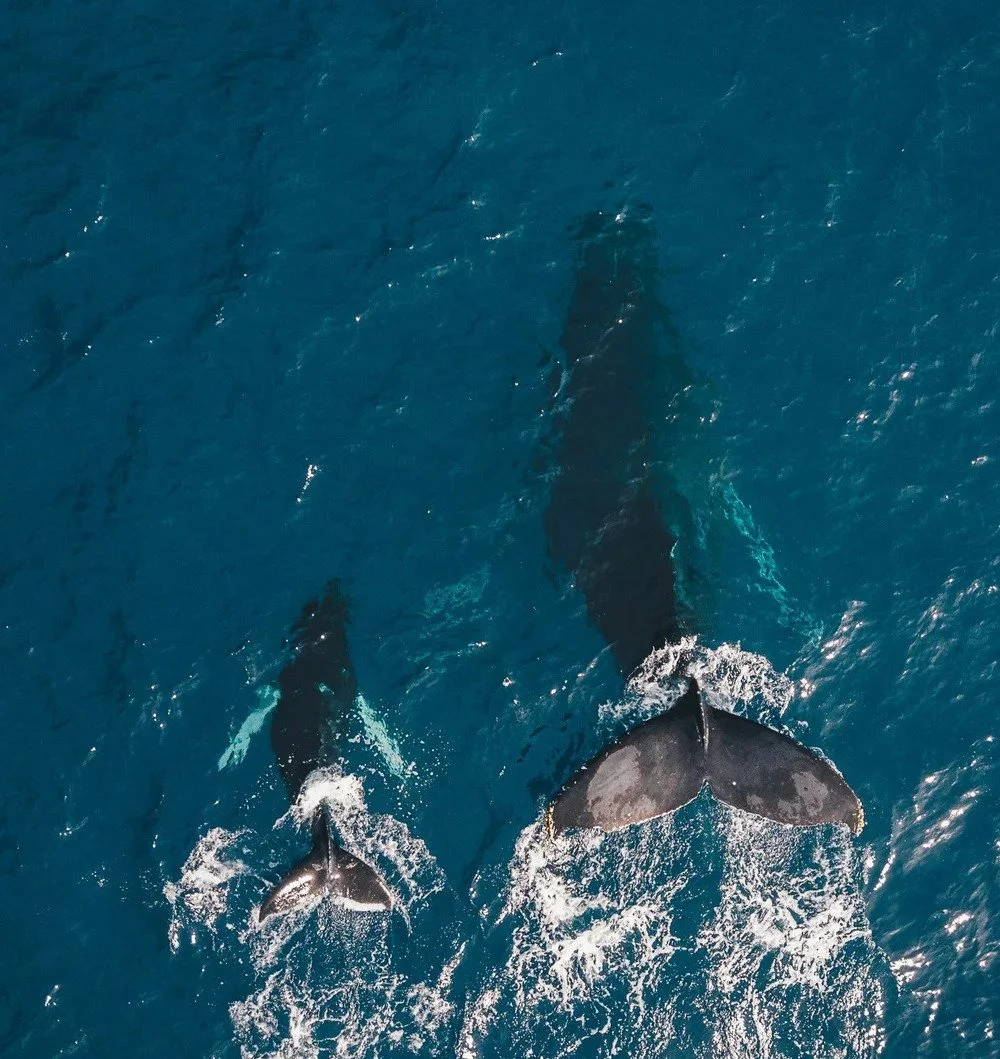
Yes, whales can sometimes be seen from Bondi during Sydney's whale watching season, especially from the higher coastal points around the cliffs and walking tracks.
Bondi is not only popular because of the beach. During migration season, the surrounding headlands and coastal walk areas often offer better whale watching opportunities than the sand itself. From a higher viewpoint, you have more ocean in front of you, which makes it easier to notice blows, splashes, tail movements or breaches in the distance.
Patience matters. Some visitors may see several whales in one visit, while others may only catch a quick movement on the horizon. Clear weather, calm seas and a longer viewing window can all improve your chances.
Whale Watching From Shore vs Whale Watching Cruises
Sydney gives visitors two main ways to experience whale watching season: watching from land or joining a boat-based cruise. Both options can be worthwhile, but they suit different visitors, budgets and comfort levels.
Shore-based whale watching suits a flexible day out. You choose a lookout, bring binoculars, stay as long as you like and move between coastal viewpoints. Bondi, Cape Solander, North Head and Royal National Park all offer elevated views over the water.
Cruises are a better fit if your main goal is to spend time on the ocean. These trips focus on finding whales, but they depend heavily on sea conditions, weather and personal comfort on boats.
What Can You See During Humpback Migration?
During Sydney's whale watching season, visitors may see several surface behaviours as humpback whales move along the coast. Knowing what to look for makes the experience more rewarding.
Blows
A blow is often the first sign that a whale is nearby. It appears as a white spray or mist above the water when the whale surfaces to breathe. Scan the horizon slowly and look for repeated bursts of spray. Once you notice a blow, keep watching the same area because the whale may surface again nearby.
Breaching
Breaching happens when a whale launches part or most of its body out of the water before landing back with a large splash. It is one of the most dramatic behaviours people hope to see. From shore, a breach may appear as a sudden dark shape rising from the water, followed by a white splash. It can happen quickly, so a wide view of the ocean helps.
Tail Slaps and Pectoral Fin Slaps
These happen when a whale lifts part of its body and strikes the water surface. They can be easier to notice than the whale's full body because the splash often stands out against the water. Binoculars help.
Mothers and Calves
Later in the season, visitors may see mothers and calves travelling south. Calves may surface more often, while mothers stay close as they continue along the coastline. These sightings often feel slower and more relaxed than peak northern migration.
Why Whale Watching Is More Than a Wildlife Moment
For many visitors, whale watching begins as a chance to see humpbacks moving through the ocean. Along Sydney's coastline, the experience can also invite a deeper awareness of place, season and connection to Country.
The cliffs, headlands and coastal tracks used for whale watching are part of living cultural landscapes with long Aboriginal histories. Seeing whales from these places can feel different when the coast is understood as Country, not just as a tourist backdrop.
A guided Aboriginal experience changes the texture of the day. Rather than only looking out to sea and waiting for movement, visitors learn how the coastline holds cultural knowledge, memory and connection.
Natcha Cultural Tours' Bondi Aboriginal Walking Tour: Burri Burri Whale Experience brings this perspective into the whale watching season through story, song, smoking welcome and guided coastal walking.
How to Plan Your Sydney Whale Watching Day
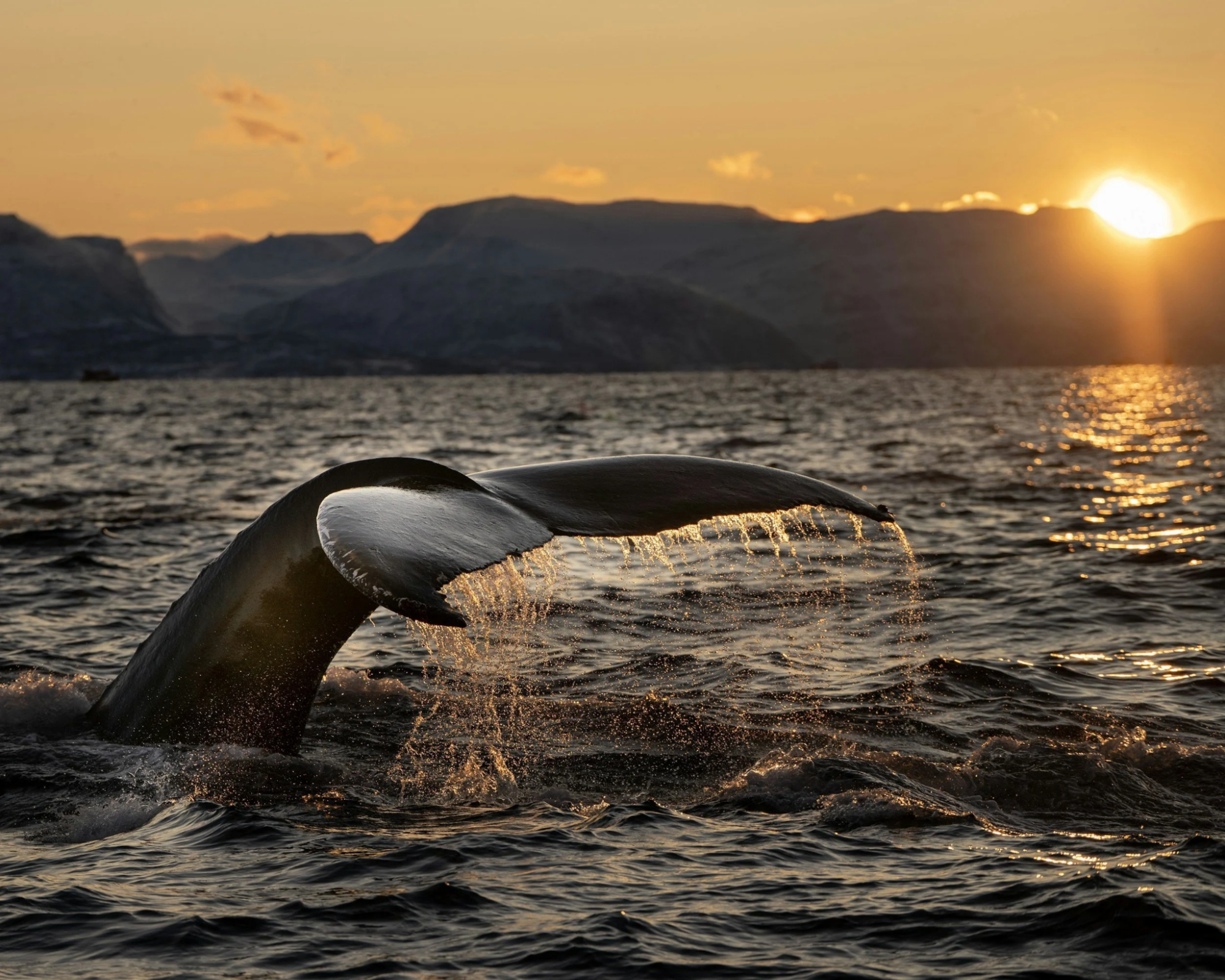
A good whale watching day starts with simple planning: choose your location, check the weather, allow enough time and prepare for coastal conditions. Exposed cliffs can feel cold and windy, especially during the cooler months.
Choose your spot well
Pick a high coastal lookout where you can see a wide stretch of ocean. Clifftops, headlands and elevated walking tracks beat low beach areas because they let you scan the water from above.
Time it right
If your dates are flexible, go during the peak window noted above. Clear, calm weather usually gives the best visibility. Rough seas, strong wind and glare make it harder to separate whale activity from waves.
What to bring
Binoculars, a warm layer, comfortable walking shoes, water, sun protection and a camera. Whales pass at different distances from the coast, and binoculars help you see tail slaps, breaches and repeated surfacing more clearly.
Look for blows first
A white spray on the horizon is often easier to notice than a moving whale, especially when whales are travelling further offshore. Once you spot a blow, keep watching the same area.
Stay safe and respectful
Avoid standing too close to cliff edges or stepping outside marked viewing areas. Do not disturb wildlife or leave rubbish behind. Sydney's coastline carries cultural, natural and community significance, so treat Aboriginal cultural places with respect.
Accessibility
Some lookouts are easy to reach, while others require uneven walking tracks, stairs or longer coastal paths. Check the location before you go, especially if travelling with children, older visitors or anyone with mobility needs.
Book a Bondi Aboriginal Whale Watching Walk With Natcha Cultural Tours
If you want to experience whale watching season in Sydney with cultural depth,Natcha Cultural Tours' Bondi Aboriginal Walking Tour: Burri Burri Whale Experience offers a guided way to connect with the coast during humpback migration.
The walk brings together Aboriginal story, song, smoking welcome, coastal walking and whale watching from the cliffside. Rather than treating Bondi as only a beach or lookout, the tour helps visitors experience the area through Country, culture and seasonal movement.
It suits families, travellers, small groups,corporate groups,private groups, and culturally curious visitors. Whale sightings cannot be guaranteed, but the experience still offers connection, learning and a deeper sense of place.
Booking ahead is useful during peak periods, particularly through late June and July when whale activity is strongest.
FAQs
1. When is whale watching season in Sydney?
Whale watching season in Sydney generally runs from May to November, when humpback whales migrate along the NSW coast. The northern migration usually happens from May to July, while the southern return migration often continues from August to November.
2. What is the best month to see whales in Sydney?
Late June and July are often strong months for whale watching in Sydney because many humpback whales are travelling north during this period. Later in the season, especially from September to November, visitors may also see mothers and calves returning south.
3. Can you see whales from Bondi?
Yes, whales can sometimes be seen from Bondi during migration season. Higher coastal points around the cliffs and walking tracks usually offer better views than the beach itself. Clear weather, calm seas and patience can improve your chances.
4. Where are the best places to see whales in Sydney?
Some of the best whale watching spots in Sydney include Bondi, Cape Solander, North Head, South Head, Watsons Bay, La Perouse and Royal National Park. Elevated headlands and cliffside lookouts are usually better than low beach areas.
5. Do I need to book a whale watching cruise?
No, you do not need a cruise to see whales in Sydney. Many people spot humpback whales from shore during migration season. Cruises can offer closer ocean access, but shore-based whale watching is flexible, scenic and easier to combine with coastal walks.
6. What should I bring for whale watching in Sydney?
Bring binoculars, a warm layer, comfortable walking shoes, water, sun protection and a camera. Coastal areas can be windy during the cooler months, so it is worth dressing for changing conditions.
7. Is the Bondi Aboriginal whale walk suitable for visitors?
Yes, Natcha Cultural Tours’Bondi Aboriginal Walking Tour: Burri Burri Whale Experience is suitable for visitors who want a guided coastal experience with more cultural meaning. The walk combines whale watching with Aboriginal story, song, smoking welcome and connection to Country.
