
Ku-ring-gai Chase Aboriginal Tour: Rock Engravings, Country and Cultural Stories
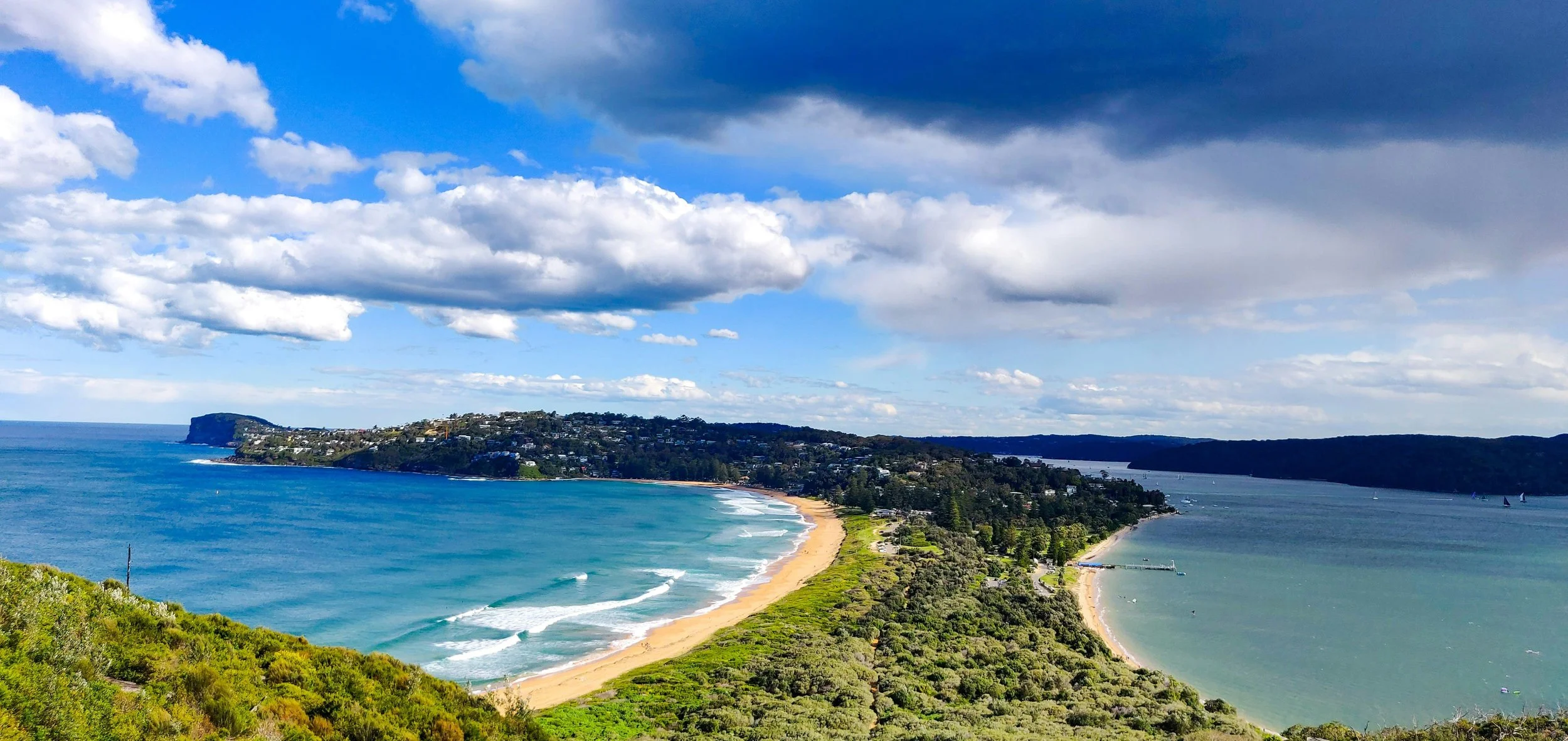
Ku-ring-gai Chase Aboriginal tours give visitors a deeper way to experience one of Sydney’s most important cultural landscapes. The park is known for sandstone Country, coastal views, rock engravings and Aboriginal stories that reach far beyond a standard bushwalk.
Seeing the engravings is only part of the experience. Understanding why they matter requires respect, context and the right cultural guidance.
For visitors, families and groups, a guided Aboriginal tour helps turn a scenic national park visit into a more meaningful connection with Country, story and place.
What Is a Ku-ring-gai Chase Aboriginal Tour?
A Ku-ring-gai Chase Aboriginal tour is a guided cultural experience through one of Sydney’s most significant natural and cultural landscapes. Instead of only walking through bushland or stopping at lookouts, visitors are guided through Country with Aboriginal stories, cultural context and respect for the places they are visiting.
The experience usually centres on the relationship between land, water, rock, plants, animals and people. Rock engravings are an important part of that, but they should not be treated as simple tourist attractions. They belong to a much wider cultural landscape.
What Makes It Different From a Standard Bushwalk?
A standard bushwalk helps you enjoy the scenery. You might follow a track, take photos, visit a lookout and read a few signs along the way.
An Aboriginal cultural tour goes deeper. It helps you understand why certain places matter, how to behave around cultural sites and why Country is not just something from the past. The guide adds meaning that most visitors would miss on their own.
Who Is This Experience Best For?
This tour is well-suited to visitors who want more than a scenic day out. It works for travellers, families, schools, small groups and workplaces looking for a respectful Aboriginal cultural experience in Sydney.
It is also useful for people who have visited Ku-ring-gai Chase before but want to see it differently. With the right guide, familiar tracks, lookouts and rock platforms can carry a much stronger sense of story, respect and connection.
Why Ku-ring-gai Chase Is Culturally Significant
Ku-ring-gai Chase is not just a place for walking tracks, lookouts and coastal views. It is a cultural landscape with many recorded Aboriginal sites, including rock engravings, art places, middens and other signs of long connection to Country.
That matters because visitors are not walking through an empty natural space. They are moving through places that carry memory, story, knowledge and responsibility. The rock engravings are part of that wider landscape, not isolated objects to simply look at and photograph.
A Cultural Landscape, Not Just a Scenic Park
Many people visit Ku-ring-gai Chase for the views, especially around West Head and the surrounding waterways. Those views are beautiful, but they only tell part of the story.
An Aboriginal tour helps visitors see the park with more care. The sandstone platforms, bushland, waterlines and tracks all sit within Country. That changes the way you move through the place, because the visit becomes less about sightseeing and more about listening.
Rock Engravings, Art Sites and Living Heritage
Ku-ring-gai Chase is known for Aboriginal rock engravings and other cultural sites. These places should be approached with respect because they are culturally significant and vulnerable to damage.
The engravings are not decorations or simple historical markings. They are part of living Aboriginal heritage. A good guide helps visitors understand what can be shared, what should be respected and why these places still matter today.
Why Guided Interpretation Matters
Seeing a rock engraving is one thing. Understanding how to behave around it is another.
Guided Aboriginal interpretation gives visitors context that signs and maps cannot always provide. It helps prevent careless behaviour, avoids shallow assumptions and gives the experience a stronger connection to Country, story and respect.
What Can You See on a Ku-ring-gai Chase Aboriginal Tour?
A Ku-ring-gai Chase Aboriginal tour gives visitors a guided way to experience the park through Country, culture and place. The focus is not only on where you walk, but how you understand what is around you.
Natcha Cultural Tours’ Ku-ring-gai Chase experience includes a smoking ceremony, Aboriginal storytelling, rock engraving interpretation, coastal views and time on Guring-gai Country. Each part of the tour helps visitors connect with the landscape in a more respectful way.
Welcome and Smoking Ceremony
The tour begins with a welcome and smoking ceremony. This helps set the tone for the experience and reminds visitors that they are entering Country with respect.
It is not just an opening activity. It gives the walk cultural grounding before visitors move through the park, see significant sites and listen to stories connected to the land.
Aboriginal Rock Engravings
The rock engravings are one of the most important parts of the tour. These sandstone markings hold cultural meaning and should be approached with care.
A guided experience helps visitors understand why the engravings matter, how to behave around them and why they should never be touched, traced or treated like ordinary carvings.
Whale Carvings and Cultural Stories
Natcha’s Ku-ring-gai Chase tour includes an interpretation of ancient whale carvings. These engravings give visitors a powerful way to think about Country, water, animals and story together.
Rather than looking at the carvings as isolated images, a guide can help explain their place within the wider cultural landscape. That context is what makes the experience different from simply seeing them on your own.
West Head Lookout and Coastal Country
West Head Lookout gives wide views across the water, bushland and surrounding coastline. For many visitors, it is one of the most memorable parts of Ku-ring-gai Chase.
On a guided Aboriginal tour, the lookout becomes more than a scenic stop. It becomes a place to pause, listen and understand how Country connects land, sea, people and story.
America Bay and the Surrounding Landscape
America Bay adds another layer to the experience. The area shows how sandstone, water, plants and coastal views shape the feeling of Ku-ring-gai Chase.
Walking through this landscape with a guide helps visitors slow down and notice more. The tour becomes less about covering distance and more about understanding the place with respect.
Ku-ring-gai Chase Rock Engravings: What Visitors Should Know
Ku-ring-gai Chase is one of the best-known places near Sydney to see Aboriginal rock engravings, but these sites should never be treated like ordinary attractions. They are culturally significant places connected to Country, story and ongoing Aboriginal heritage.
For visitors, the most important thing is to approach the engravings with respect. Look, listen and follow guidance. Do not touch them, walk over them, trace them, pour water on them or try to make the carvings easier to photograph.
What Are Aboriginal Rock Engravings?
Aboriginal rock engravings are markings made into natural rock surfaces, often on sandstone platforms. In Ku-ring-gai Chase, these engravings form part of a wider cultural landscape, not a stand-alone display.
Some engravings may show animals, people, tracks or other forms. But visitors should be careful not to guess meanings without proper guidance. A guided Aboriginal tour helps explain what can be shared and why some knowledge should be treated with care.
Where Are Rock Engravings Found in Ku-ring-gai Chase?
Rock engravings and other Aboriginal sites can be found across different areas of Ku-ring-gai Chase National Park. Some are connected to visitor routes and walking tracks, while others are protected, sensitive or not publicly interpreted.
The West Head area is especially known for Aboriginal heritage, coastal views and cultural significance. This is why guided interpretation matters. It helps visitors understand the place without reducing it to a quick stop or photo opportunity.
Why You Should Not Touch or Disturb Rock Art
Rock engravings are vulnerable to damage. Even small actions can cause harm over time, especially when many visitors repeat them.
Touching, stepping on, wetting, chalking, tracing or rubbing the engravings can damage the rock surface and disrespect the cultural importance of the site. The best approach is simple: stay back, follow signs, listen to your guide and treat the place as living cultural heritage.
Guided Tour vs Self-Guided Aboriginal Heritage Walk
You can visit parts of Ku-ring-gai Chase on your own, including public walking tracks and lookouts. A self-guided walk can be a good option if you enjoy bushwalking, want flexibility and already understand how to behave around Aboriginal cultural sites.
But there is a clear difference between seeing a place and understanding it.
| Option | Best For | What You Get | What to Keep in Mind |
|---|---|---|---|
| Self-guided walk | Independent visitors and bushwalkers | Freedom to move at your own pace | Cultural meaning may be missed without proper interpretation |
| Standard national park visit | Scenic day trips and lookout stops | Views, tracks and nature | The visit can become mostly visual |
| Guided Aboriginal tour | Visitors wanting cultural context | Story, respect, interpretation and connection to Country | Best for those who want a deeper experience |
A self-guided visit can show you the landscape, but it may not explain why the place matters. Signs can help, but they cannot replace Aboriginal-led interpretation.
Aguided Aboriginal tour gives the experience more depth. You are not just walking to a site, taking a photo and moving on. You are learning how to slow down, listen and approach Country with more care.
That is especially important around rock engravings. Without guidance, it is easy for visitors to make assumptions, miss key context or behave in ways that may seem harmless but are disrespectful or damaging.
How to Visit Aboriginal Sites in Ku-ring-gai Chase Respectfully
Aboriginal sites in Ku-ring-gai Chase should be treated with care. These places are not old displays or outdoor museum pieces. They are part of living cultural heritage and still hold meaning for Aboriginal people today.
Respect starts with simple behaviour. Stay on tracks, follow signs, listen to your guide and avoid doing anything that could damage the site or reduce its cultural meaning to a photo opportunity.
Stay on Marked Tracks
Marked tracks help protect both visitors and sensitive cultural places. Walking off-track can damage fragile plants, disturb cultural areas or lead people onto rock platforms that should not be crossed.
If you are on a guided tour, follow the guide’s instructions closely. Some areas may look open or easy to access, but that does not always mean they should be entered.
Do Not Touch Rock Engravings or Art Sites
Never touch, step on, rub, trace or wet Aboriginal rock engravings. Even light contact can cause wear over time, especially when repeated by many visitors.
The safest approach is to look from a respectful distance. Let your guide explain what can be shared, where to stand and how to view the site without causing harm.
Be Careful With Photography
Photos may be allowed in some places, but that does not mean every image should be taken or shared without thought. Some cultural places deserve more care than a quick social media post.
Always follow signs and guide instructions around photography. If you are unsure, ask before taking close-up photos of engravings or culturally significant places.
Listen Before Interpreting
Visitors should avoid guessing what engravings mean or turning cultural stories into casual explanations. Aboriginal sites carry knowledge that should be shared by the right people, in the right way.
A guided tour helps prevent shallow or incorrect interpretations. It gives visitors a better understanding of what can be discussed openly and what should simply be respected.
Treat Country as Living
Ku-ring-gai Chase should not be seen only as a place of ancient history. Country is living, and Aboriginal connection to land, water, plants, animals, and story continues today.
When you visit with that mindset, your behaviour changes. You move more carefully, listen more closely and understand that respect is part of the experience, not an optional extra.
Planning Your Ku-ring-gai Chase Aboriginal Tour
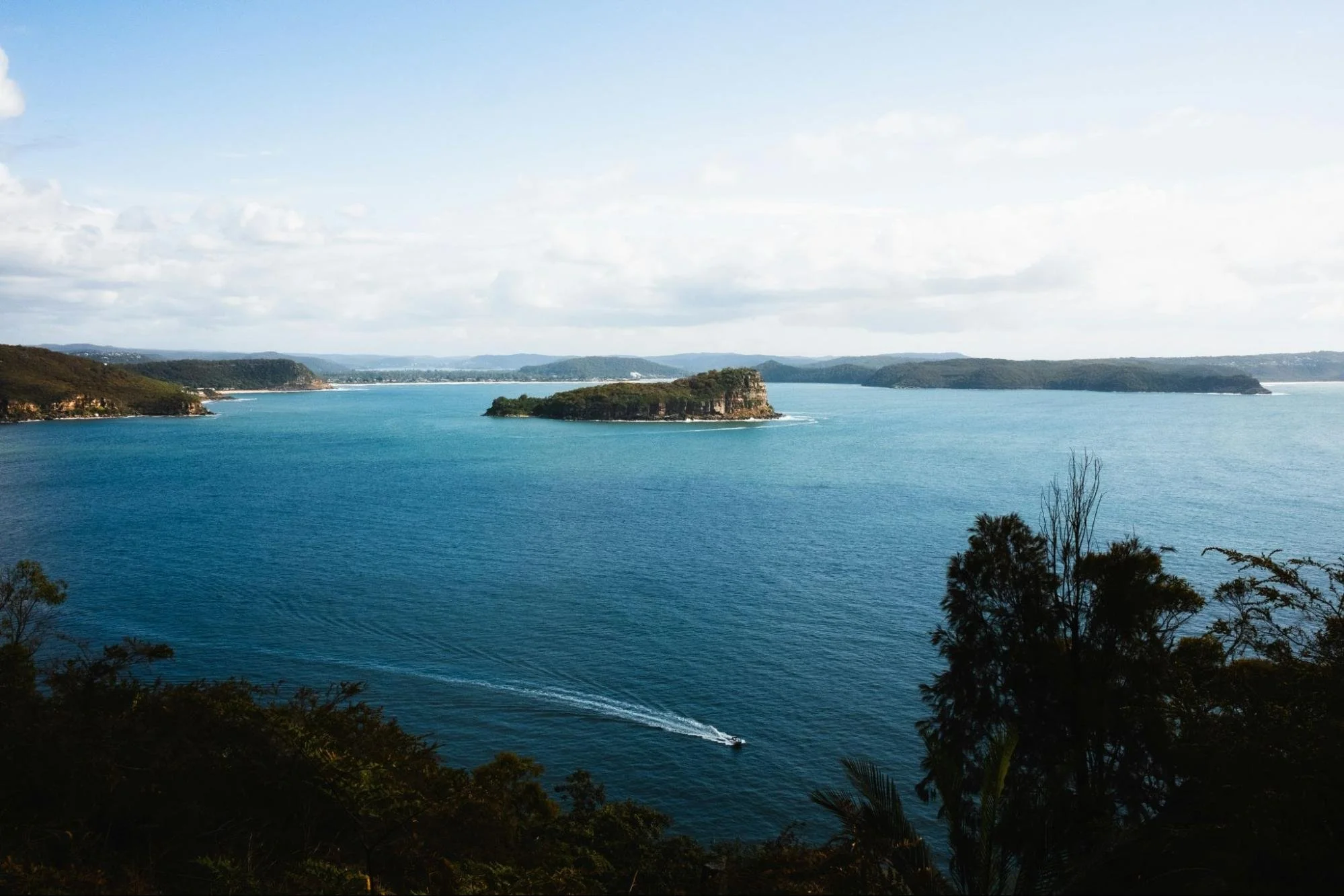
A good Ku-ring-gai Chase Aboriginal tour starts with practical preparation. The park has walking tracks, sandstone surfaces, exposed lookouts and changing weather, so it helps to arrive ready for an outdoor cultural experience.
| Planning Detail | What to Know |
|---|---|
| Location | Ku-ring-gai Chase National Park, Sydney’s north |
| Main focus | Aboriginal rock engravings, Country, storytelling and guided interpretation |
| Experience style | Outdoor walking tour with cultural learning |
| Best for | Visitors, families, schools, private groups and workplaces |
| What to bring | Walking shoes, water, sun protection and weather-appropriate clothing |
| Mindset | Come ready to listen, respect Country and follow guide instructions |
What to Wear and Bring
Wear comfortable walking shoes with a good grip. Some areas may include uneven ground, sandstone surfaces or natural walking tracks, so avoid footwear that makes walking difficult.
Bring water, sun protection, a hat and a light jacket if the weather looks changeable. A camera is fine where permitted, but cultural respect should always come before getting the perfect photo.
Accessibility and Fitness
Ku-ring-gai Chase is a natural park environment, so walking conditions can vary. Some sections may include slopes, steps, uneven surfaces or exposed areas.
Visitors with mobility concerns should check the tour details before booking. Families with children should also make sure the walking time and terrain suit their group.
Best Time to Visit
Ku-ring-gai Chase can be visited throughout the year, but conditions matter. Hot days, heavy rain or strong wind can affect comfort and visibility.
Morning tours often work well because the weather can feel milder and the park is usually calmer. Before travelling, check park alerts, road access and the day’s forecast so the experience feels safe and relaxed.
Why Book With Natcha Cultural Tours?
Natcha Cultural Tours gives visitors a guided way to experience Ku-ring-gai Chase through Aboriginal knowledge, story and connection to Country. This matters because cultural places should not be treated as simple stops on a sightseeing route.
The value of the tour is in the guidance. Visitors are not left to guess what they are seeing or rely only on signs. They are led through the landscape with cultural context, respect and care.
Aboriginal-Led Cultural Interpretation
Aboriginal-led interpretation helps visitors understand the places they are walking through in a more responsible way. It gives meaning to the rock engravings, coastal views and surrounding Country without turning culture into a shallow explanation.
This is especially important around sacred and culturally significant places. The right guide helps visitors understand what can be shared, where to stand, how to behave and why respect matters.
A Deeper Way to Experience Sydney’s North
Many people know Sydney for its harbour, beaches and city landmarks. Ku-ring-gai Chase offers a different side of the region, with sandstone Country, bushland, waterways and Aboriginal cultural sites.
A guided tour helps visitors see this part of Sydney with more depth. Instead of only taking in the scenery, they begin to understand how the landscape holds story, memory and continuing connection.
Suitable for Visitors, Families and Groups
The tour suits people who want a thoughtful outdoor experience, not just a quick activity. It can work well for travellers, families, schools, private groups and workplaces looking for meaningful cultural learning.
For anyone visiting Ku-ring-gai Chase for the first time, booking with Natcha Cultural Tours offers a clearer, more respectful way to experience the park. It turns the visit into a guided cultural experience shaped by Country, not just another national park walk.
Book a Ku-ring-gai Chase Aboriginal Walking Tour
If you want to experience Ku-ring-gai Chase with proper cultural context, a guided Aboriginal walking tour is the best way to do it. The rock engravings, sandstone Country, waterways and lookouts carry more meaning when they are shared through Aboriginal knowledge and respect.
Natcha Cultural Tours’ Ku-ring-gai Chase Aboriginal Walking Tour gives visitors a grounded way to connect with Guring-gai Country. The experience brings together cultural storytelling, sacred rock engravings, coastal views, a smoking ceremony and guided interpretation.
This Ku-ring-gai Chase tour is ideal for visitors who want more than a scenic national park visit. It suits families, travellers, private groups, schools and workplaces looking for an outdoor cultural experience that feels respectful, educational and memorable.
Rather than walking past important sites without context, you can slow down, listen and understand why Ku-ring-gai Chase matters. That is what makes the experience more valuable than a self-guided visit.
FAQs About Ku-ring-gai Chase Aboriginal Tours
1. What is a Ku-ring-gai Chase Aboriginal tour?
A Ku-ring-gai Chase Aboriginal tour is a guided cultural experience in Ku-ring-gai Chase National Park. It helps visitors understand Aboriginal rock engravings, Country, cultural stories and the deeper meaning of the landscape through Aboriginal-led interpretation.
2. Can you see Aboriginal rock engravings in Ku-ring-gai Chase?
Yes, Ku-ring-gai Chase is known for Aboriginal rock engravings and other cultural sites. Visitors should approach these places with care, follow signs, listen to guides and avoid touching, tracing or walking over any rock art.
3. Is a guided Aboriginal tour better than visiting alone?
A self-guided visit can still be worthwhile, but a guided Aboriginal tour gives more context. Instead of only seeing engravings, lookouts and walking tracks, visitors can understand why the places matter and how to approach them respectfully.
4. Is the tour suitable for families?
Yes, this type of tour can suit families who want an outdoor cultural learning experience. Parents should check the walking distance, terrain and age guidance before booking to make sure it suits their children.
5. What should I bring on a Ku-ring-gai Chase Aboriginal tour?
Bring comfortable walking shoes, water, sun protection, weather-appropriate clothing and any personal medication you may need. A camera may be useful, but always follow guide instructions around photography at cultural sites.
6. Why are the rock engravings important?
The rock engravings are part of a wider Aboriginal cultural landscape. They are connected to Country, story and living heritage, so they should be treated with respect rather than seen as simple carvings or tourist attractions.
7. Who should book this tour?
This tour is best for visitors, families, schools, private groups and workplaces wanting a respectful cultural experience in Sydney. It suits people who want to understand Ku-ring-gai Chase beyond the scenery.
