
What “Country” Means in Aboriginal Culture
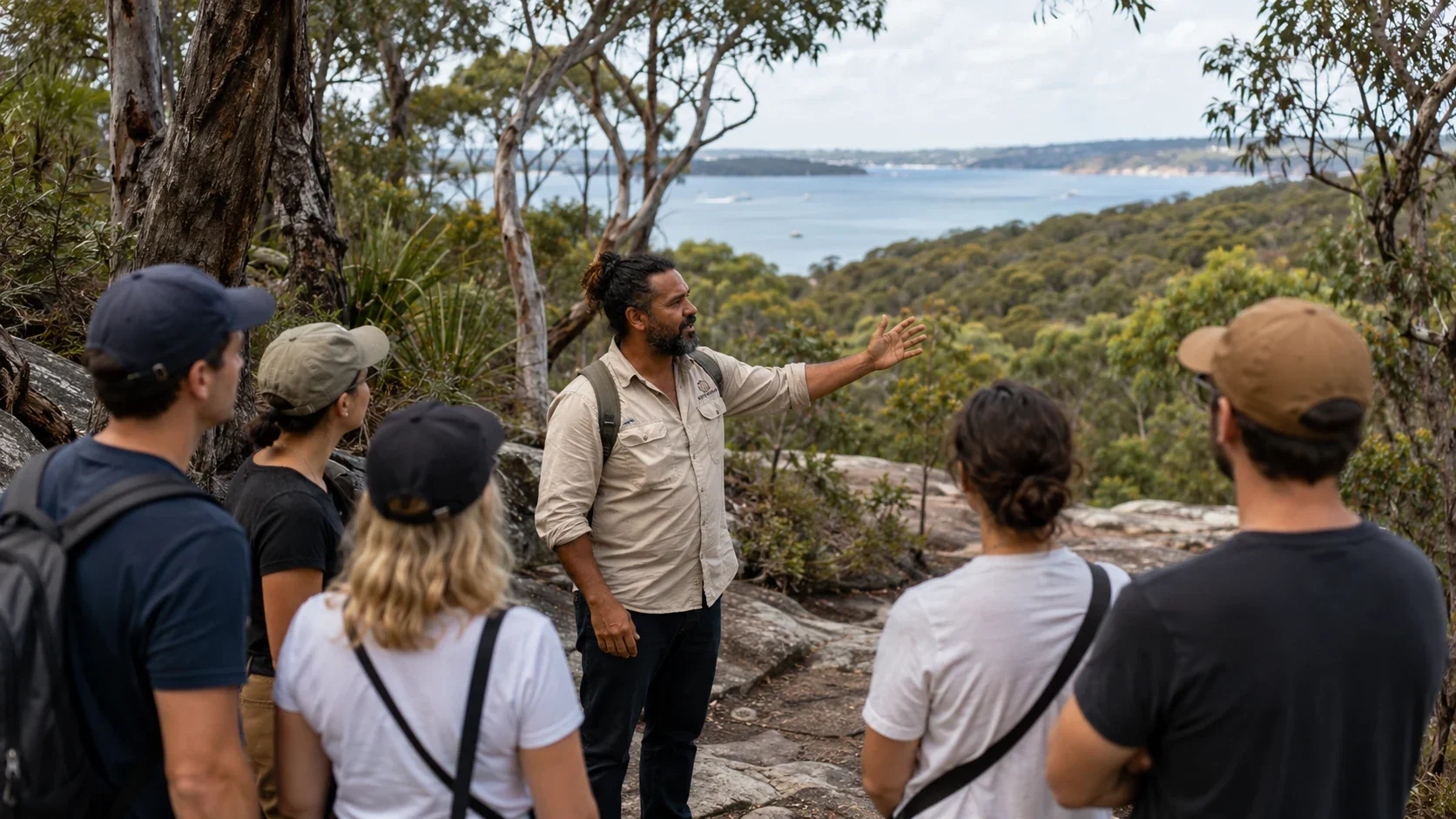
In Aboriginal cultures, Country is much more than land. It can include lands, waters, sky, plants, animals, people, ancestors, language, stories, cultural knowledge and the relationships and responsibilities connecting them.
Connection to Country describes an ongoing relationship with a particular place. It involves belonging, identity, family, cultural practice and responsibility, rather than simply living in or owning a geographic area.
Understandings of Country vary between Aboriginal peoples and communities. No single definition can represent every cultural group or explain knowledge that is not intended for public sharing.
This article focuses on the Aboriginal cultural meaning of Country, rather than the similarly named Connecting with Country planning and design framework used in New South Wales.
What does “Country” mean in Aboriginal culture?
Country is a living network of relationships between people, place, culture and the natural world. It is not simply an area of land marked by boundaries on a map.
AIATSIS explains that Aboriginal peoples often use Country to describe the lands, waterways and seas to which they are connected. The term can also encompass place, language, cultural practice, family, identity, belief and responsibility.
This means that Country cannot be fully understood as property, scenery or a physical resource. It includes the ways people relate to a place, the knowledge held there and the responsibilities carried between generations.
Country is also specific. A river, coastline, wetland, mountain range or bushland area is not culturally interchangeable with another place. Each Country has its own people, histories, language, features and cultural meanings.
There is also considerable diversity among Aboriginal peoples. Australia contains hundreds of distinct cultural groups and more than 250 language groups, each with its own practices, beliefs and relationships with place.
For this reason, it is more accurate to speak about Aboriginal cultures in the plural. One person, organisation or definition cannot speak for every Country or community.
What does Country include?
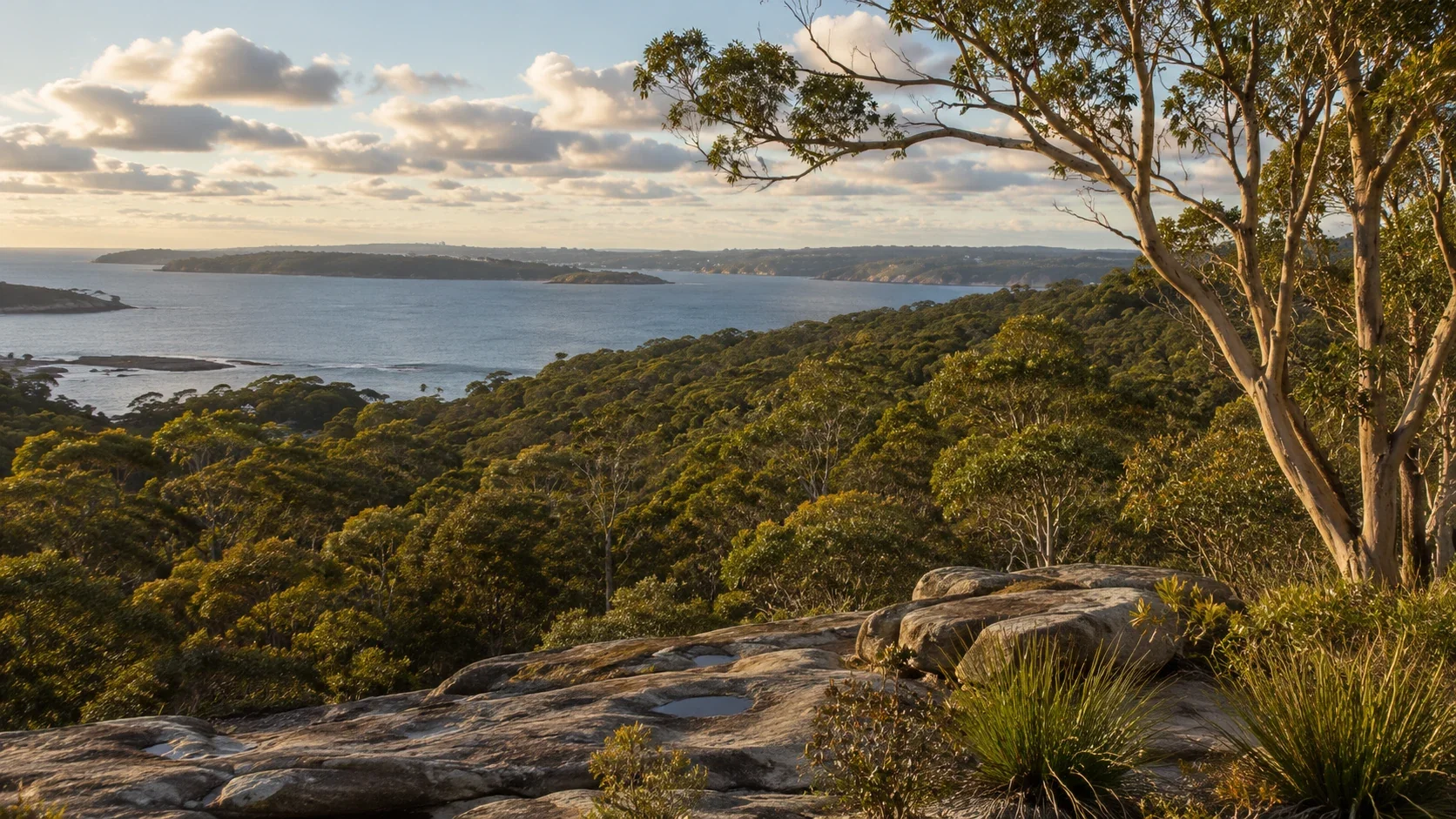
Country can include the physical environment, living species, people, ancestors, language, cultural knowledge and responsibilities associated with a particular place.
Although the exact meaning varies between communities, Country may encompass:
Land and waters: Country can include hills, valleys, rivers, wetlands, coastline, sea and other connected landscapes.
Sky and seasons: Weather, seasonal changes and knowledge of the sky may be connected with activities, movement and cultural understanding.
Plants and animals: Plants and animals are part of Country and may hold ecological, cultural, family or practical significance.
People and ancestors: Country is connected with family, community, identity, belonging and relationships across generations.
Language and place names: Languages, names and ways of describing places carry knowledge grounded in particular Countries.
Stories and histories: Publicly shared stories and histories can help explain relationships between people, events and places.
Cultural knowledge: Country holds knowledge about plants, animals, seasons, water, food, movement and appropriate behaviour.
Responsibilities: Connection to Country carries obligations to respect, protect and care for places and relationships.
Common Ground similarly describes Country as both place and relationship. Its explanation includes lands, waters, skies, animals, plants and natural phenomena, as well as aspects that cannot always be physically seen or touched.
This interconnected understanding is why reducing Country to “land” alone misses much of the concept.
Why is Country important to Aboriginal people?
Country can be central to identity, belonging, family, culture, wellbeing and responsibility.
A person’s relationship with Country may connect them with family, ancestors, language, community and generations of cultural knowledge. Country can shape how people understand who they are, where they belong and the responsibilities they hold.
This relationship is not only about what Country provides to people. It is often described as reciprocal. People care for Country, while Country supports people through identity, knowledge, food, water, relationships and wellbeing.
Country may therefore be understood as something people belong to, rather than simply something they possess.
This does not mean every Aboriginal person experiences connection to Country in exactly the same way. Colonisation, displacement, forced removal and restrictions on cultural practice have affected families and communities differently. The continuing effects of these policies have disrupted relationships with land, language, family and culture, but they have not made Aboriginal connection to Country a thing of the past.
Connection to Country remains living and contemporary. It continues through families, communities, language, cultural practices, environmental work, education, art and time spent on Country.
What does “connection to Country” mean?
Connection to Country is the continuing relationship between Aboriginal people and the particular lands, waters, communities, cultures and responsibilities to which they belong.
It is more than feeling emotionally attached to a landscape. It may involve:
cultural identity and belonging
family and community relationships
responsibilities to care for places
language and cultural knowledge
relationships with plants, animals and waterways
knowledge passed between generations
participation in community and cultural practices
Connection to Country can continue even when someone is living away from their ancestral Country. People may maintain relationships through family, community, stories, language, return visits and cultural responsibilities.
It is important not to describe this connection as identical for all Aboriginal people. The nature of the relationship depends on the person, family, community and Country involved.
Do all Aboriginal people belong to the same Country?
No. Aboriginal Australia includes many distinct Countries, peoples, communities and language groups.
People have particular family and cultural connections. An Aboriginal person does not automatically have the authority to speak for every Aboriginal community or explain the cultural knowledge of every Country.
Cultural authority comes from relationships, community recognition, knowledge and responsibility connected to a particular place. This is why visitors should prioritise information shared by the appropriate Traditional Custodians and Aboriginal people connected with the area they are visiting.
It is also why a general map can only provide an introduction. Boundaries may be complex, contested or represented differently by different sources. A map should not replace locally grounded knowledge.
Visitors travelling across Sydney may pass through several distinct Countries and cultural landscapes. The appropriate people, terminology and protocols can change depending on the exact location.
What does it mean to be “on Country”?
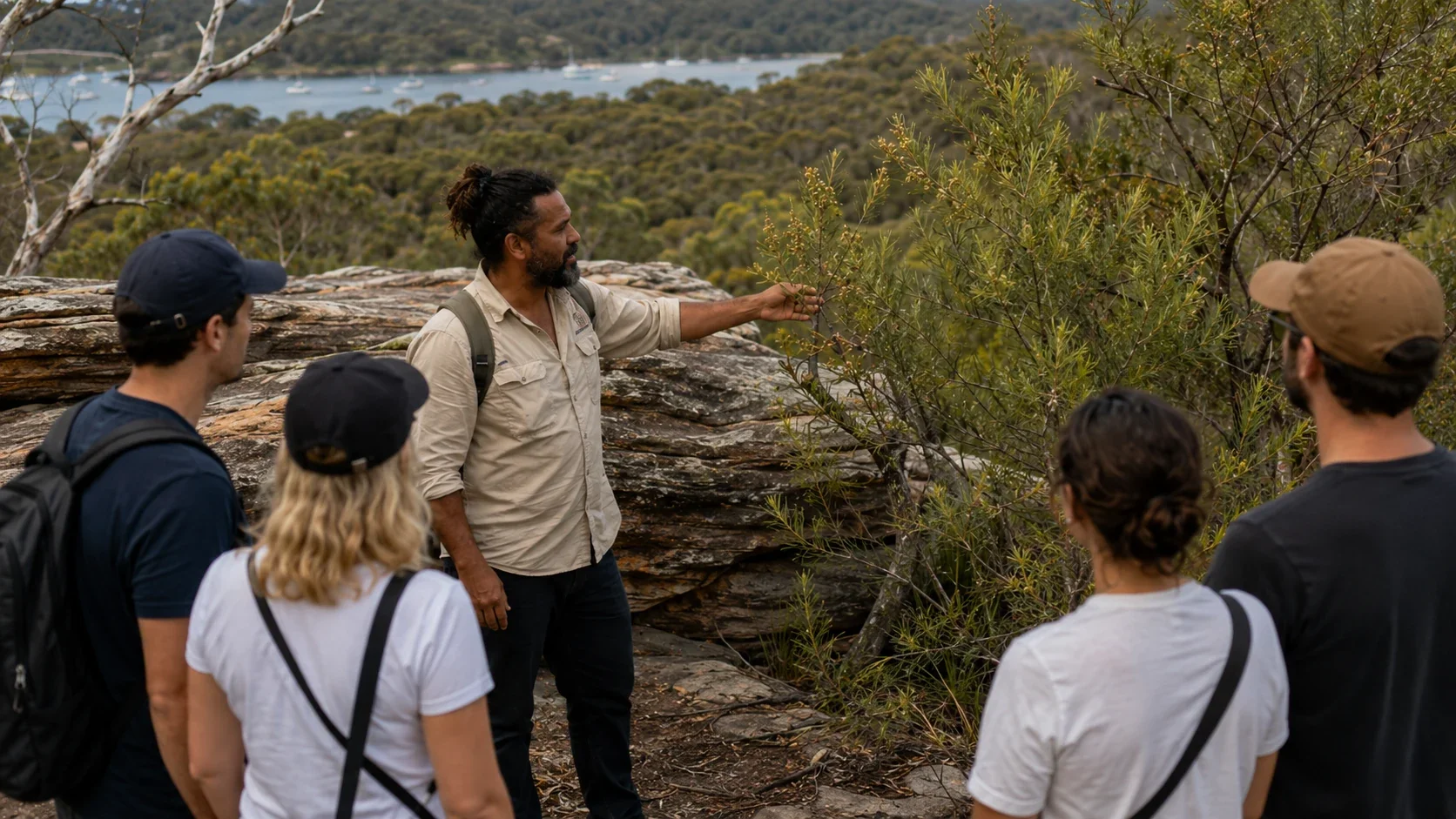
Being on Country means being physically present within a place to which an Aboriginal person or community has cultural, family and ancestral connections.
The phrase can carry greater meaning than simply being outdoors or visiting a natural area. AIATSIS research describes being on Country as involving cultural origins and responsibilities within a particular landscape.
Learning on Country also places knowledge within its proper physical context.
A plant is not discussed only as an isolated species. Its meaning may relate to the soil, water, season, animals, surrounding vegetation and the people responsible for that place.
A waterway is not viewed only as a scenic feature. It may be connected with movement, food, history, family, cultural responsibilities and the health of the surrounding environment.
This is one reason an Aboriginal cultural tour can offer a different type of learning from a classroom, book or museum display. Visitors can listen while standing within the landscape being discussed and begin to notice relationships that may otherwise remain abstract.
Being on Country as a visitor does not give someone cultural ownership or authority. It creates an opportunity to listen, learn and behave respectfully.
What is “caring for Country”?
Caring for Country refers to the cultural responsibilities and practices involved in looking after land, waters, plants, animals, places and relationships.
It can include environmental work, but it should not be reduced to a synonym for conservation. Caring for Country may combine cultural, ecological, social and intergenerational responsibilities.
Depending on the community and place, caring for Country may involve:
protecting waterways and habitats
managing plants and animals
cultural burning and land management
monitoring significant places
transferring knowledge between generations
maintaining access and relationships with Country
following cultural responsibilities and protocols
The idea is often reciprocal. Healthy Country can support healthy people and communities, while people carry responsibilities to protect and sustain Country.
Specific practices differ between communities and environments. Cultural land management should therefore be led by people who hold the relevant knowledge and authority, rather than copied without context.
Caring for Country is a substantial subject in its own right. It should not be treated as a simple collection of environmental techniques separated from culture, people and place.
Why is “Country” written with a capital C?
Country is commonly capitalised when it refers to its distinct Aboriginal cultural meaning.
The capital C helps distinguish Country from ordinary uses of “country”, such as a nation, a rural area or a geographic region. Capitalisation is also widely used as a sign of respect for the cultural significance of the concept.
Compare these examples:
Australia is a country.
A visitor is learning about Country.
The group is spending time on Country.
The community continues to care for Country.
Writing Country with a capital C does not mean every Aboriginal community uses the term in exactly the same way. It is a respectful and widely accepted convention when discussing Aboriginal cultural relationships with place.
What is the difference between Country and land?
Land is part of Country, but the two words are not equivalent.
In everyday English, land usually refers to the physical ground, a property or a defined geographic area. Country carries a much broader cultural meaning.
| Land | Country |
|---|---|
| Usually describes physical ground or territory | Includes place, people, relationships and responsibility |
| Can be treated as property | Is connected with belonging and cultural identity |
| May be defined primarily by boundaries | Can include lands, waters, sky and living species |
| Often viewed as a physical resource | Holds cultural knowledge, histories and relationships |
| Can be discussed separately from people | Cannot be fully separated from connected people and communities |
This comparison is useful, but it should not be treated as a complete definition. Understandings of Country remain specific to different Aboriginal peoples.
How can visitors show respect for Country?
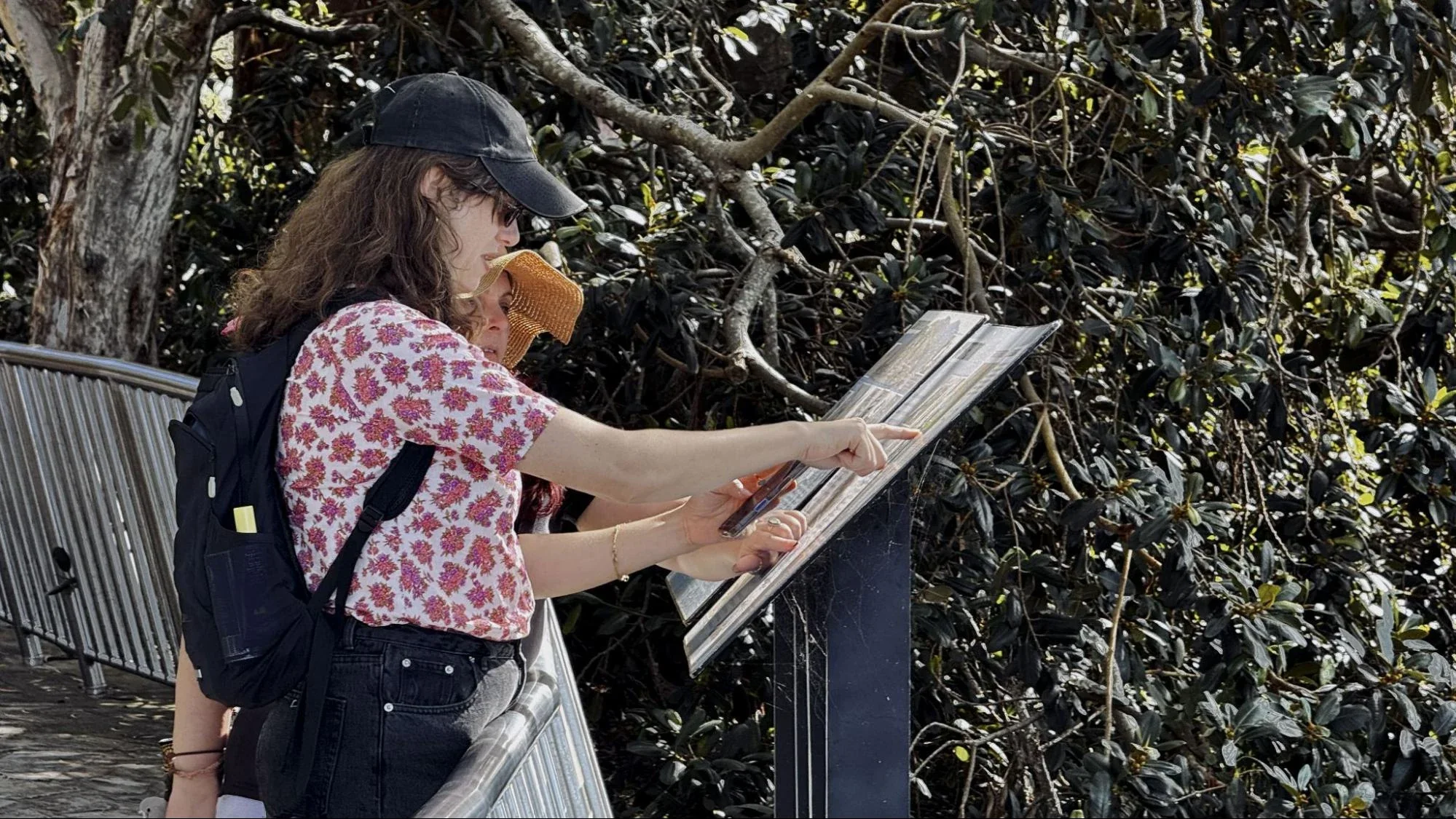
Visitors can show respect by learning whose Country they are on, listening to locally connected Aboriginal people and following guidance about behaviour, access and cultural sensitivity.
Practical ways to act respectfully include:
Learn about the place: Find out which Traditional Custodians are connected with the particular area you are visiting.
Prioritise local voices: Use information shared by the relevant Aboriginal community rather than assuming a general explanation applies everywhere.
Follow cultural protocols: Observe instructions about photography, access, significant places and appropriate conduct.
Leave places undisturbed: Do not remove plants, shells, stones or objects from Country.
Respect restricted knowledge: Not every story, site or cultural practice is intended to be shared publicly.
Avoid making assumptions: An Aboriginal person should not be expected to explain every community or cultural subject.
Listen before speaking: Allow Aboriginal guides and community members to determine what is appropriate to share.
Choose Aboriginal-led experiences: Support learning led by people with genuine cultural and community connections.
Respect is not demonstrated by memorising a definition alone. It is reflected in how visitors listen, behave and respond to the guidance they receive.
Understanding Country through an Aboriginal cultural tour
Spending time on Country with an Aboriginal guide can help visitors understand how place, people, culture and responsibility are connected.
A written explanation can define the term, but the experience of walking through a landscape can make those relationships easier to recognise.
A guide may draw attention to how plants change across an environment, how water shapes movement and life, or how a place should be approached respectfully. The landscape is not merely the background to the lesson. It is part of what is being learned.
Natcha Cultural Tours offers Aboriginal-led experiences across Sydney and New South Wales where visitors can learn within the landscapes being discussed.
TheKu-ring-gai Chase Aboriginal Walking Tour, for example, places learning within bushland, sandstone and waterways. The Royal National Park Aboriginal Walking Tour allows visitors to experience another distinct environment and understand why cultural learning must remain connected to the specific place.
These experiences are not about gaining access to every aspect of Aboriginal knowledge. They provide an opportunity to listen to what is appropriate to share, ask respectful questions and develop a more grounded understanding of Country.
Private groups, workplaces and educational organisations can also arrange tailored cultural learning experiences suited to their group and learning goals.
A continuing relationship
Country is more than a physical location. It brings together lands, waters, plants, animals, people, ancestors, identity, language, cultural knowledge and responsibility.
Connection to Country describes an ongoing relationship carried through families and communities. Being on Country places people within a particular cultural landscape, while caring for Country reflects responsibilities to protect and sustain that relationship.
For visitors, understanding begins with recognising that Country is specific, living and connected to people. Listening to Aboriginal people on their own Country can turn an abstract definition into a more respectful understanding of place.
Frequently asked questions
1. What does Country mean in Aboriginal culture?
Country is a broad cultural concept that can include lands, waters, sky, plants, animals, people, ancestors, language, stories and responsibilities. It describes an interconnected relationship between people, place and culture, rather than land alone.
2. What does connection to Country mean?
Connection to Country is the continuing relationship Aboriginal people have with particular lands, waters, family, community, culture and responsibility. The nature of that connection differs between people, communities and Countries.
3. What is the difference between Country and land?
Land usually refers to physical ground, property or territory. Country includes the physical environment but can also encompass people, identity, ancestors, language, cultural knowledge and responsibilities.
4. What does “on Country” mean?
Being on Country means being physically present within a place connected to an Aboriginal person or community through family, culture, ancestry and responsibility. For visitors, it can also describe learning within the landscape being discussed.
5. What is caring for Country?
Caring for Country involves looking after lands, waters, plants, animals, cultural places and relationships. It may include land management, environmental protection, cultural responsibilities and the transfer of knowledge between generations.
6. Why is Country written with a capital C?
Country is commonly capitalised to distinguish its Aboriginal cultural meaning from ordinary uses of “country” as a nation, region or rural area. The capital C is also widely used as a sign of respect.
7. Do all Aboriginal people share the same Country?
No. Aboriginal Australia contains many distinct Countries, communities and language groups. People have particular family and cultural connections, and one Aboriginal person cannot automatically speak for every Country.
8. How can visitors respectfully learn about Country?
Visitors can learn whose Country they are visiting, listen to locally connected Aboriginal people, follow cultural protocols and accept that some knowledge is not publicly available. Spending time on Country through a respectful Aboriginal-led experience can provide valuable local context.
