
Ku-ring-gai Chase National Park: Complete Visitor Guide
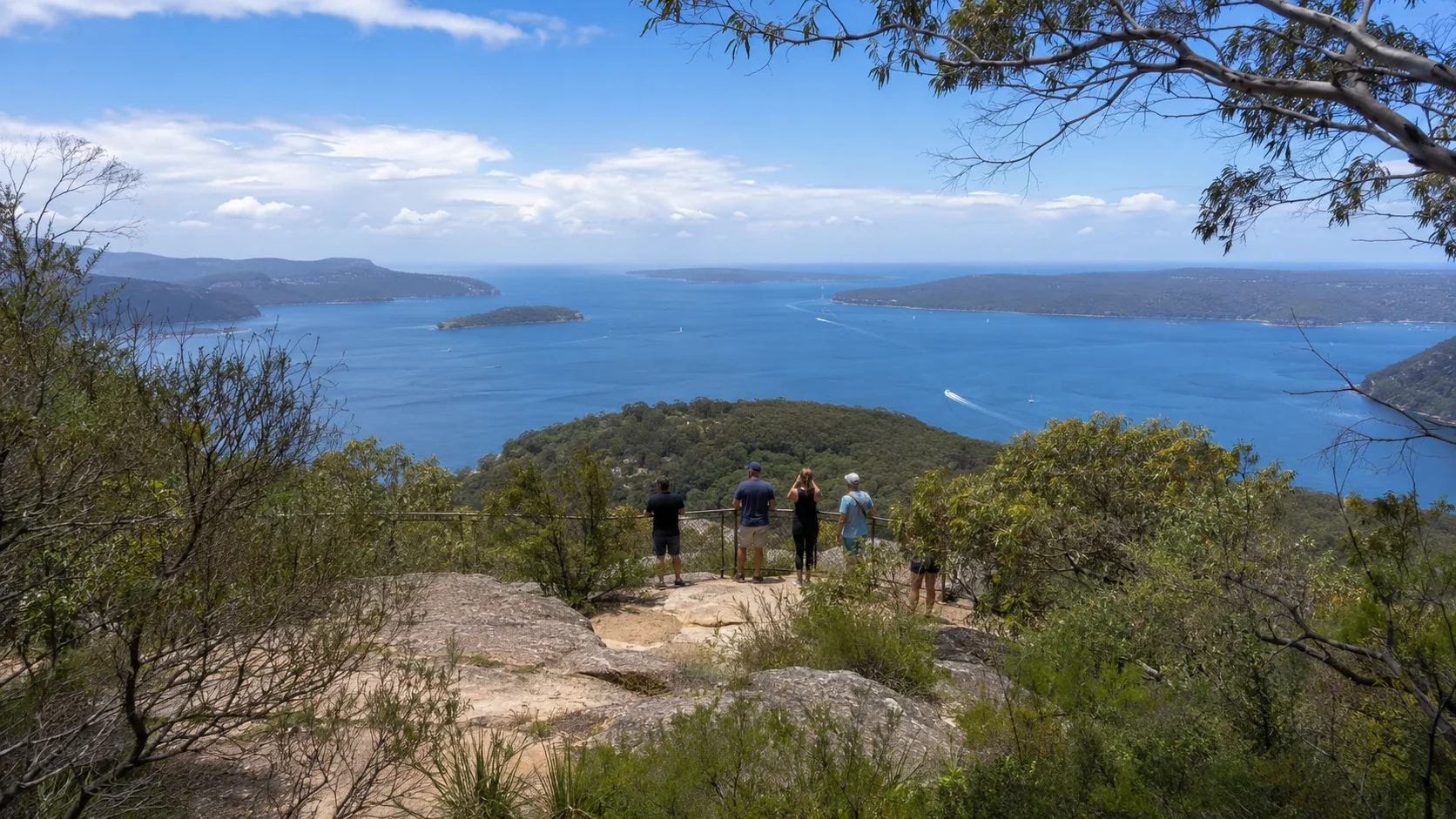
Ku-ring-gai Chase National Park is one of Australia’s oldest national parks, located on Sydney’s northern edge. It is known for its sandstone bushland, waterways, lookouts, walking tracks, wildlife and important Aboriginal cultural heritage.
A visit can be as simple as driving to West Head Lookout, or it can include a full day of walking, picnicking, boating and learning about Country with an Aboriginal guide. This guide brings the main access, fee, activity and planning information together in one place.
Quick answer: First-time visitors should allow at least half a day, enter through the precinct closest to their planned activities and check current park alerts before travelling. West Head, The Basin, Bobbin Head and the park’s publicly promoted walking tracks are among the main highlights.
What Is Ku-ring-gai Chase National Park Known For?
Ku-ring-gai Chase National Park is known for its rugged sandstone landscape, protected waterways, coastal lookouts, bushwalking tracks and Aboriginal cultural places. The park extends from Sydney’s northern suburbs towards the Hawkesbury River, Pittwater and Broken Bay.
The park has been protected since 1894 and is included on Australia’s National Heritage List. Its approximately 14,882 hectares contain eucalypt woodland, heathland, mangroves, rainforest and sandstone plateaus.
| Visitor fact | What to know |
|---|---|
| Location | Sydney’s northern edge, approximately 20 kilometres north of the CBD |
| Park size | Approximately 14,882 hectares |
| Vehicle entry fee | $12 per vehicle per day, as checked on 20 July 2026 |
| General opening | The park is normally open throughout the year but can close because of fire danger, poor weather or other hazards |
| Main precincts | West Head, The Basin, Bobbin Head, Apple Tree Bay and the northern walking-track areas |
| Major highlights | West Head Lookout, The Basin, Bobbin Head, Aboriginal heritage, bushwalks, boating and wildlife |
| Time needed | Around 3 to 4 hours for a short visit, or most of a day for several activities |
| Best planning source | Current NSW National Parks visitor information and park alerts |
The $12 vehicle fee, gate arrangements and other charges can change. Check the current Ku-ring-gai Chase visitor information before leaving home.
Where Is Ku-ring-gai Chase National Park?
Ku-ring-gai Chase National Park is north of Sydney Harbour and stretches towards Pittwater, Broken Bay and the Hawkesbury River.
It is not a single compact visitor precinct. Roads, waterways and deep valleys divide the park into different sections. Your best entry point therefore depends on whether you are visiting West Head, The Basin, Bobbin Head or one of the northern walking tracks.
Allow extra driving time between precincts. West Head and Bobbin Head may look close on a map, but travelling between them can involve leaving one part of the park and approaching the other by a different road.
How Do You Get to Ku-ring-gai Chase National Park?
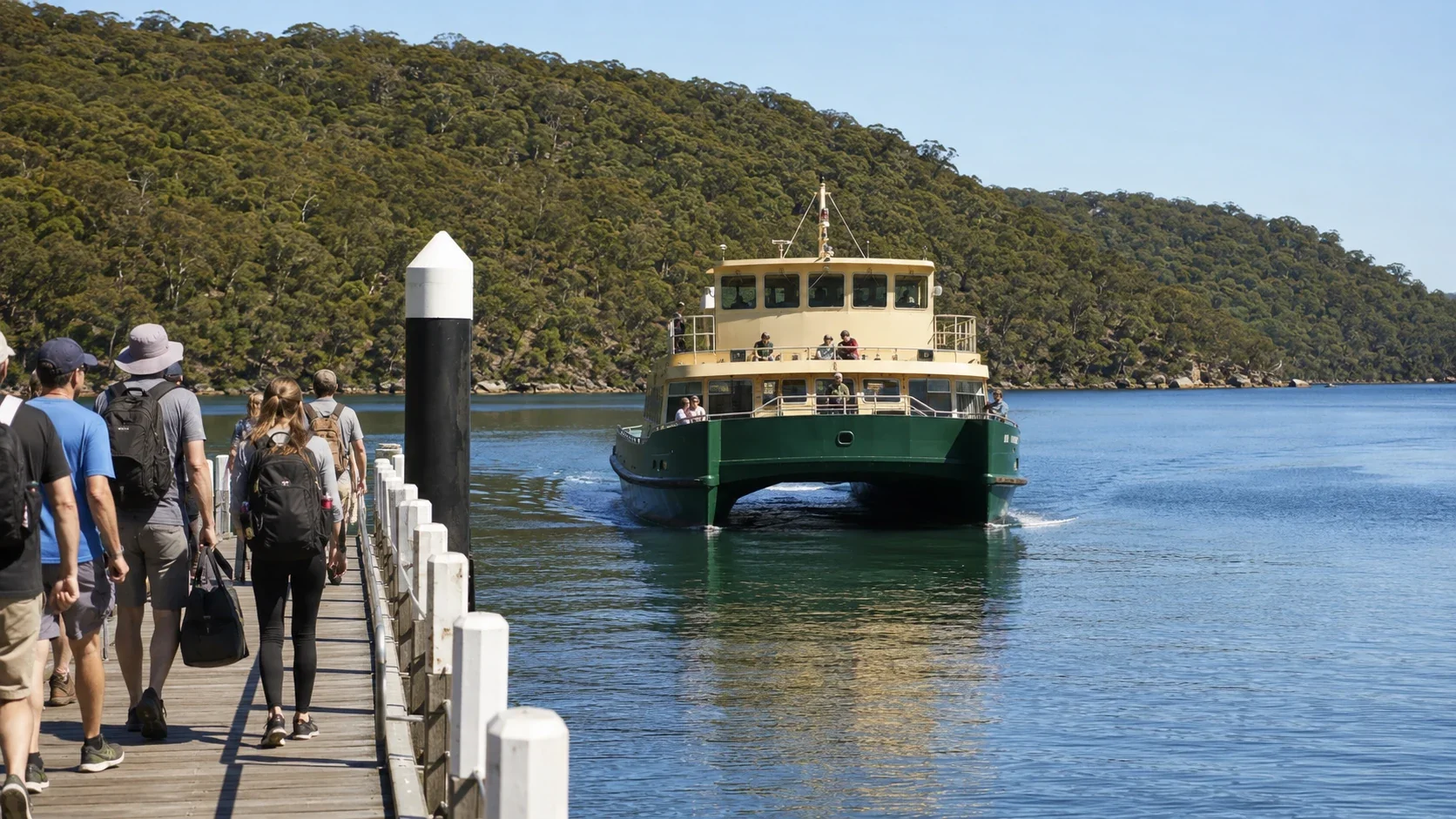
Driving is the easiest option for reaching several attractions in one day. However, selected parts of the park can also be reached by ferry, train or a guided tour with transport.
Driving to West Head
West Head Road is accessed from McCarrs Creek Road. This route is best for:
West Head Lookout
Resolute Picnic Area
Aboriginal Heritage Walk
America Bay Walking Track
The Basin Track
Bairne Walking Track
Salvation Loop Trail
West Head Road is sealed and suitable for standard two-wheel-drive vehicles. Gate closing times apply, so do not plan to leave the precinct after the published closing time.
Driving to Bobbin Head
Visitors travelling from North Turramurra can enter through Bobbin Head Road. This route provides access to:
Bobbin Head
Bobbin Head Visitor Centre
Mangrove boardwalks
Gibberagong Walking Track
Picnic and barbecue areas
Water access and boating facilities
Visitors approaching from Mount Colah or Asquith can enter through Ku-ring-gai Chase Road, which is also the route for Kalkari Discovery Centre.
Taking the Ferry to The Basin
The Basin can be reached by ferry from Palm Beach Wharf. This is a practical choice for visitors who do not want to complete the steep walk from West Head Road or who are carrying camping equipment.
The Basin campground has no direct vehicle access. Visitors arriving by car must leave their vehicle near West Head Road and walk approximately 2.8 kilometres down to the campground. Ferry, private boat and water taxi access are also available.
Check the current Palm Beach ferry timetable before travelling because schedules and service conditions can change.
Using Public Transport
Public transport is possible, but it does not provide simple access to every part of the park.
Cowan and Hawkesbury River railway stations provide access to sections of the Great North Walk. The route between Cowan and Brooklyn is an 11-kilometre, Grade 4 walk suited to experienced bushwalkers.
Another option is to travel to Palm Beach and take the ferry to The Basin. Visitors primarily interested in Aboriginal cultural interpretation can also book the Ku-ring-gai Chase Aboriginal Walking Tour with Sydney CBD transfers included.
How Much Does Ku-ring-gai Chase National Park Cost?
As checked on 20 July 2026, the standard park entry fee is $12 per vehicle per day. Visitors can pay through the Park’nPay app where available.
Vehicles carrying more than eight passengers are charged per person. A separate landing fee may apply to day visitors arriving at The Basin by water, while camping fees include the landing charge. Annual NSW parks passes may also cover vehicle entry.
Walking into the park from a railway station does not attract the standard vehicle entry fee. Ferry fares, camping charges, tour bookings and equipment hire are separate.
Always confirm the current amount before publication or travel because park fees can change.
What Are the Best Things to Do in Ku-ring-gai Chase National Park?
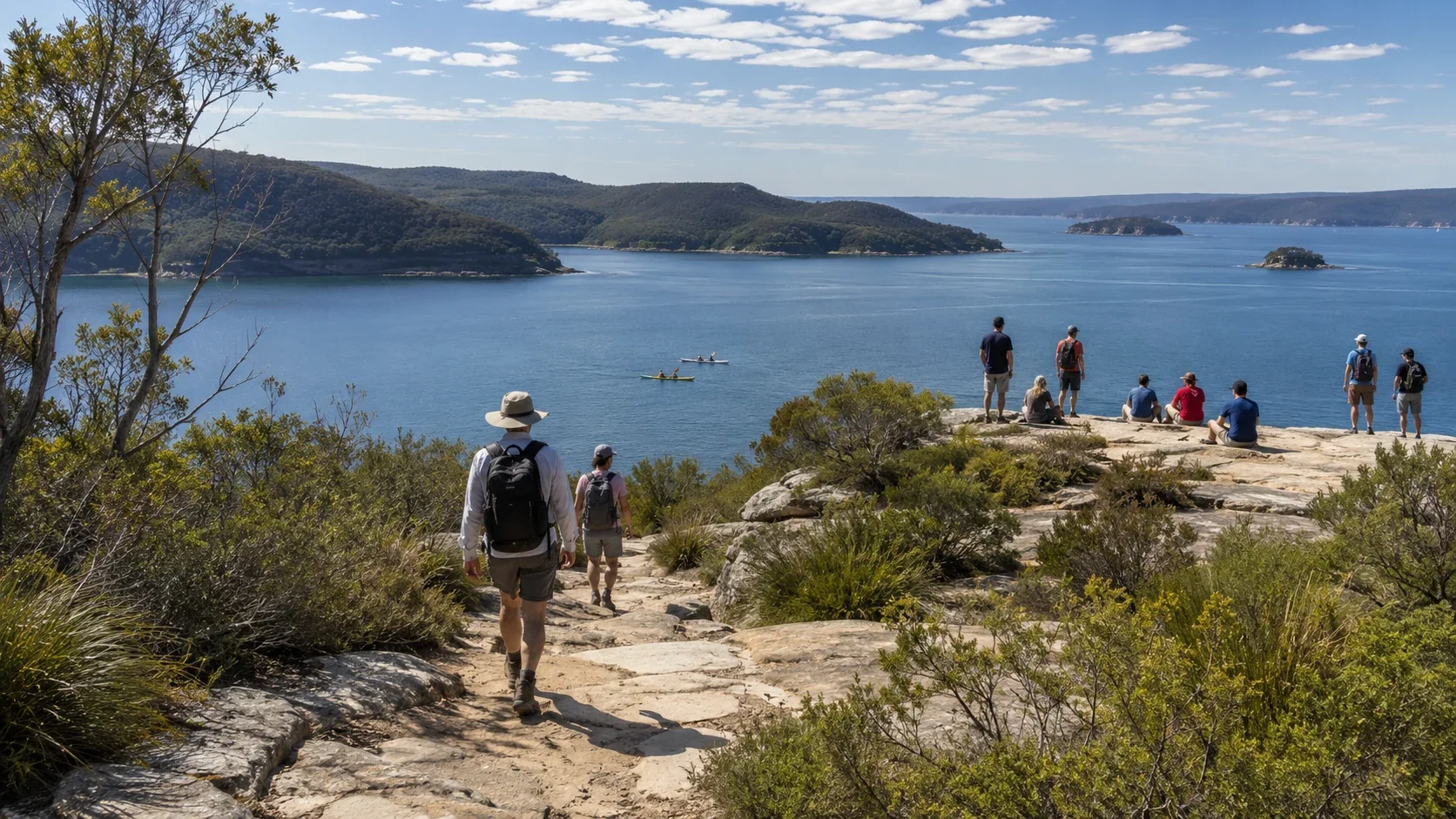
The best things to do in Ku-ring-gai Chase National Park include visiting West Head Lookout, relaxing at The Basin, walking through sandstone bushland, exploring Bobbin Head, enjoying Pittwater and learning about the park’s Aboriginal cultural landscape.
| Activity | Best for | Suggested time |
|---|---|---|
| West Head Lookout | First-time visitors, scenery and photography | 30 to 60 minutes |
| The Basin | Families, swimming, picnics and camping | Half day to overnight |
| Aboriginal-guided experience | Cultural travellers and visitors seeking context | Around 3 hours |
| Bobbin Head | Picnics, families, mangroves and easy facilities | 2 to 4 hours |
| Bushwalking | Nature, exercise and landscape views | 1 hour to a full day |
| Kayaking and boating | Exploring Pittwater and sheltered waterways | 2 hours or more |
| Wildlife watching | Birdlife, wallabies and bushland species | Throughout the visit |
Take in the View From West Head Lookout
West Head Lookout provides wide views across Pittwater, Broken Bay, Barrenjoey Head and the Central Coast.
The lookout is reached by sealed road and has nearby parking, including an accessible parking space close to the entrance. Visitors can also reach it on foot from Resolute Picnic Area using the 1.9-kilometre West Head Lookout Track.
It is one of the easiest major attractions to include in a short visit. Allow additional time when combining it with a walk or cultural experience.
Spend Time at The Basin
The Basin is a waterfront picnic and camping area on the western side of Pittwater. Visitors can swim, picnic, camp, paddle and look for wildlife around the grassy foreshore.
It is the only official campground within Ku-ring-gai Chase National Park. Facilities include toilets, showers, drinking water, barbecues and picnic tables. Swimming conditions and water quality should be checked before entering the water.
Day visitors arriving by ferry should pay attention to the last return service. Campers need to book their site before arriving.
Visit Bobbin Head
Bobbin Head is a practical choice for families and visitors who prefer picnic facilities, water views and shorter walks.
The precinct includes barbecues, picnic areas, the visitor centre and access to tracks through mangrove and wetland environments. It can become busy on weekends and public holidays, so arriving earlier usually makes parking easier.
Go Kayaking, Boating or Paddleboarding
Pittwater, Cowan Creek and the park’s sheltered bays create opportunities for kayaking, boating, fishing and paddleboarding.
The Basin lagoon is sheltered from larger waves and boat traffic, making it a popular paddleboarding location. Visitors bringing a boat or watercraft should check launch access, weather, safety guidance and any fishing licence requirements before travelling.
Look for Native Wildlife
The park supports diverse native plants and animals across heathland, forest, wetland, mangrove and estuarine habitats.
Depending on the location and time of day, visitors may see wallabies, kookaburras, waterbirds, reptiles and other native species. Wildlife should be observed from a distance and never fed. The wider National Heritage area supports more than 1,000 native plant species as well as threatened animals and important bird habitat.
Which Ku-ring-gai Chase National Park Walks Are Worth Doing?
Ku-ring-gai Chase National Park has walks ranging from short family-friendly loops to steep half-day tracks and challenging railway-to-railway routes.
The distances, times and grades below are based on NSW National Parks track information. Conditions can change after rain, fire, erosion or maintenance work, so check the latest park alerts before starting.
| Walk | Distance | Grade | Suggested time | Main appeal |
|---|---|---|---|---|
| Aboriginal Heritage Walk | 4.4km loop | Grade 4 | 2.5 to 3.5 hours | Publicly interpreted Aboriginal heritage, bushland and West Head views |
| America Bay Walking Track | 1.8km return | Grade 3 | 1 to 2 hours | Water views, waterfall and public engraving area |
| Salvation Loop Trail | 4km loop | Grade 3 | 1 to 2 hours | Family-friendly heathland and wetland scenery |
| Bairne Walking Track | 9.6km return | Grade 3 | 3 to 3.5 hours | Pittwater and The Basin views |
| Cowan to Brooklyn, Great North Walk | 11km one way | Grade 4 | 4.5 to 5.5 hours | Steep terrain, Jerusalem Bay and a train-accessible route |
Aboriginal Heritage Walk
The Aboriginal Heritage Walk begins at Resolute Picnic Area and combines public cultural sites, steep bushland and views around the West Head precinct.
It is a 4.4-kilometre Grade 4 loop with rough sections, many steps and steep gradients. Visitors should remain on the marked route and must not touch or interfere with rock art or engravings.
America Bay Walking Track
America Bay Walking Track is a 1.8-kilometre return walk that follows a sandstone ridge towards views over America Bay.
The track includes uneven ground and short steep sections. Visitors should use the public track, follow signs and check current conditions before setting out.
Salvation Loop Trail
Salvation Loop is a four-kilometre Grade 3 track through heathland and hanging swamp environments.
It normally takes one to two hours and is one of the more approachable choices for families and visitors looking for a shorter nature walk.
Bairne Walking Track
Bairne Walking Track is a longer 9.6-kilometre return walk along the ridgeline.
The Grade 3 route generally takes three to three and a half hours and reaches viewpoints over Pittwater and The Basin. It is a good option for visitors wanting a longer walk without the very steep terrain found on some Grade 4 tracks.
Cowan to Brooklyn
This section of the Great North Walk runs between Cowan and Hawkesbury River railway stations.
The 11-kilometre route is graded 4 and includes very steep sections, many steps and limited mobile reception. It is suited to prepared bushwalkers rather than casual park visitors.
What Aboriginal Heritage Can You See in the Park?
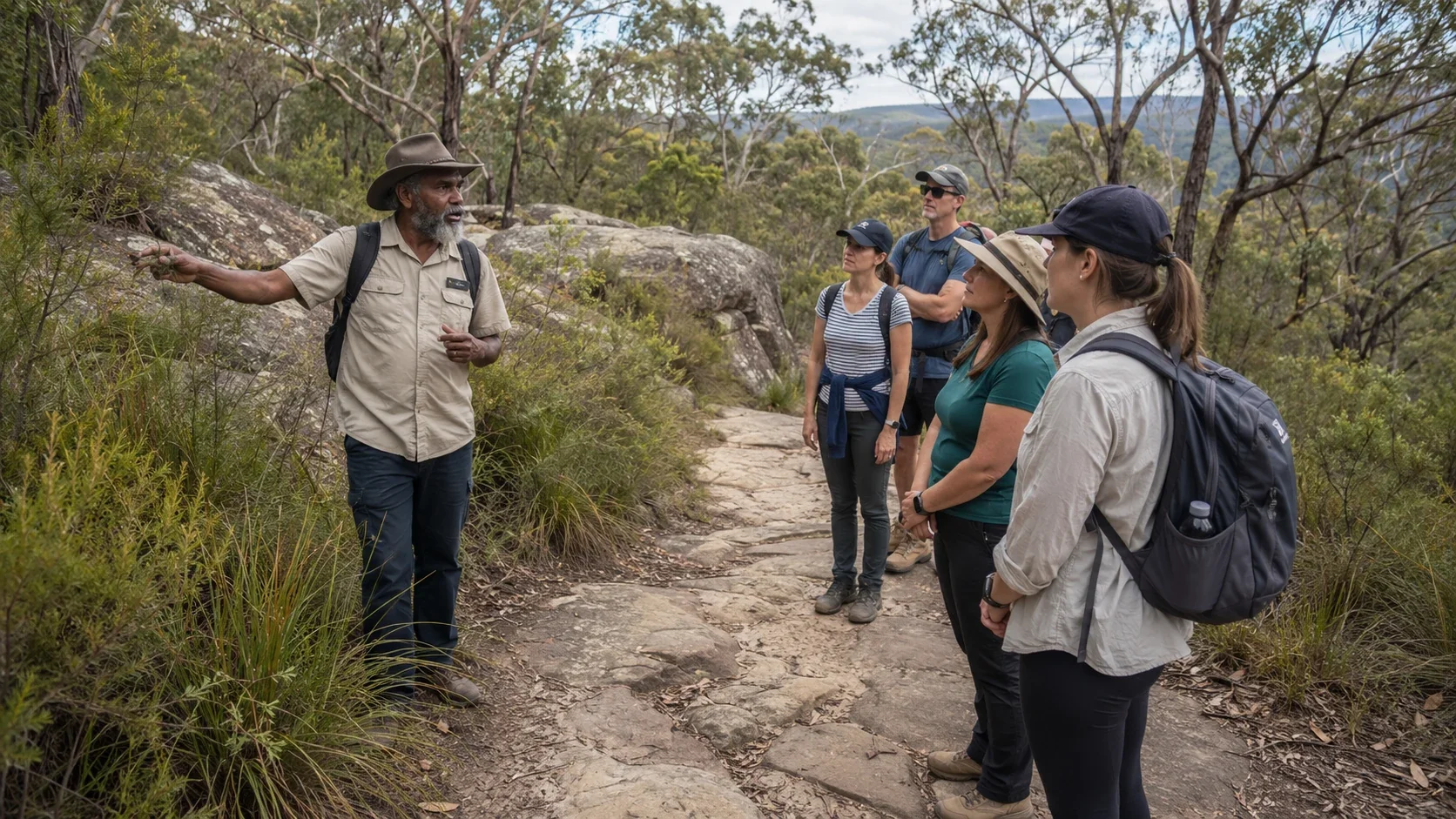
Ku-ring-gai Chase National Park contains a significant Aboriginal cultural landscape, including publicly interpreted rock engravings, shelters, art sites, grinding grooves and other evidence of continuing relationships with Country.
Visitors should remember that these places are not simply historical attractions. They remain culturally important and must be approached with care.
NSW National Parks publicly promotes locations such as the Aboriginal Heritage Walk and the Basin Aboriginal art site. Visitors should only use official tracks and viewing areas. Rock engravings and art must never be touched, traced, wet, chalked or walked over.
What Is an Aboriginal Heritage Walk?
An Aboriginal heritage walk is an experience that places visible cultural features within the broader landscape and explains how people, Country, water, plants, animals and cultural responsibilities are connected.
A self-guided walk may help visitors locate publicly interpreted sites. However, signs cannot always provide the same cultural context as an Aboriginal guide.
Natcha’s Aboriginal walking tour through Ku-ring-gai Chase is a three-hour guided experience that includes cultural interpretation, publicly accessible rock engravings and West Head scenery. A Sydney CBD transfer option is available for visitors without a car.
The value of the tour is not access to hidden or restricted knowledge. It is the opportunity to slow down, listen and understand the landscape through cultural guidance that is appropriate to share.
Visitors comparing different experiences can also read about what distinguishes an Aboriginal walking tour in Sydney from a standard nature or sightseeing walk.
How Should You Behave Around Cultural Sites?
Stay on the track: Do not leave marked routes to search for engravings or other sites.
Do not touch: Never trace, wet, chalk, clean or stand on rock art and engravings.
Leave objects in place: Do not collect shells, stones, plants or cultural material.
Follow photography guidance: Ask before photographing a guide, cultural activity or significant place.
Avoid location sharing: Do not publish the coordinates of sites that are not already officially promoted.
Respect what is not shared: Visitors are not entitled to every story, meaning or location.
How Long Do You Need in Ku-ring-gai Chase National Park?
Allow at least three to four hours for a first visit. A full day is better when you want to combine a major lookout, a walk, a picnic and cultural interpretation.
Half-Day Itinerary
A practical half-day plan could include:
Enter through the West Head precinct.
Complete a short walk or visit a public picnic area.
Spend time at West Head Lookout.
Stop for a picnic before leaving the park.
This option suits visitors with limited time who want scenery without attempting a long bushwalk.
Full-Day Itinerary
For a more complete day:
Join a morning Aboriginal-guided cultural experience.
Visit West Head Lookout.
Have lunch at a designated picnic area.
Complete a short afternoon walk.
Leave before the West Head gates close.
Natcha’s wider range of Aboriginal cultural tours around Sydney can help visitors compare Ku-ring-gai Chase with experiences in other national parks and coastal locations.
Family Day
Families may prefer:
Bobbin Head in the morning.
A picnic or barbecue.
A short boardwalk or nature trail.
A visitor-centre stop.
An early departure before younger children become tired.
Track grades should always be checked before taking children onto longer or steeper walks.
When Is the Best Time to Visit?
Ku-ring-gai Chase National Park can be visited throughout the year, but the best season depends on what you want to do.
Autumn
Autumn often provides comfortable conditions for walking, picnicking and lookout visits. Carry water and sun protection even when temperatures feel mild.
Winter
Cooler temperatures can make longer walks more comfortable. Barrenjoey Head, across Pittwater, is also promoted for whale watching between May and August.
Spring
Spring is popular for heathland wildflowers. NSW National Parks identifies August and September as useful months for seeing flowering heathland in the park.
Summer
Summer suits swimming, paddling and camping at The Basin, but exposed sandstone areas can become hot.
Start walks earlier, carry enough drinking water and check fire danger, weather warnings and park closures before leaving home.
What Should You Bring?
Prepare for a natural bushland environment even when visiting an accessible lookout or picnic area.
Bring:
Drinking water
Enclosed walking shoes
Hat and sunscreen
Weather-appropriate clothing
Food and snacks
Insect repellent
Offline park map
Fully charged phone
Rubbish bag
Any required medication
Mobile coverage can be limited. Longer-distance walkers should tell someone their route and expected return time.
Plan a More Meaningful Visit to Ku-ring-gai Chase
Ku-ring-gai Chase National Park offers more than lookouts and bushwalking tracks. Its waterways, sandstone landscapes and cultural places form a connected environment that deserves time, care and respectful attention.
A self-guided visit works well for public lookouts, picnic areas and marked tracks. Visitors who want to understand more about Country and the park’s Aboriginal cultural landscape can join Natcha’s Ku-ring-gai Chase Aboriginal Walking Tour.
Families, schools, workplaces and larger groups can also arrange a private Aboriginal cultural experience shaped around their schedule and group requirements.
Frequently Asked Questions
1. Is Ku-ring-gai Chase National Park Open Today?
Ku-ring-gai Chase National Park is normally open throughout the year, but sections can close because of fire danger, weather, track damage, maintenance or other safety issues.
West Head gates normally close at 8.30pm during daylight saving and 6pm during the rest of the year. They reopen at 6am. Check theofficial park alerts on the day of your visit.
2. Why Is It Called Ku-ring-gai Chase?
NSW National Parks describes the name as combining “Ku-ring-gai”, which it interprets as an Aboriginal-derived term for a hunting ground, with “chase”, an English word for land reserved for hunting.
However, the historical origin and later use of related terms such as “Guringai” are contested. Research published by the Aboriginal Heritage Office warns against treating one regional name or identity claim as universally settled. The park’s official name can be used without extending it into unsupported claims about Aboriginal identity, language or Country.
3. Can You Swim in Ku-ring-gai Chase National Park?
Yes. Swimming is popular at The Basin, which has a sheltered beach and inland lagoon.
Check water quality, weather and local conditions before entering the water. Children should be closely supervised, and visitors should not assume that natural swimming areas are patrolled. NSW National Parks directs visitors to check the current Beachwatch water-quality forecast.
4. Are Dogs Allowed in Ku-ring-gai Chase National Park?
No. Pets and domestic animals are not permitted in Ku-ring-gai Chase National Park, except for certified assistance animals.
This restriction helps protect native wildlife and reduces risks associated with pest-control programs.
5. Can You Visit Without a Car?
Yes, but your choices are more limited.
Visitors can take the ferry from Palm Beach to The Basin, use Cowan or Hawkesbury River railway stations for sections of the Great North Walk, or choose a guided cultural tour with Sydney transfers.
6. Is Ku-ring-gai Chase Suitable for Children?
Yes, provided the location and activity match the child’s age and walking ability.
The Basin, Bobbin Head and Salvation Loop are among the more family-friendly options. The Aboriginal Heritage Walk, West Head Army Track and Cowan to Brooklyn route include steeper or more challenging terrain.
7. Can You Camp in the Park?
Yes. The Basin is the only official campground within Ku-ring-gai Chase National Park.
Bookings are required, and the campground is reached by ferry, boat, water taxi or a steep 2.8-kilometre walk from West Head Road.
